The Bonsai Taxonomy Series was created to solve a common problem in bonsai education: fragmented information. Many resources focus either on artistic styling or basic care tips, while skipping over where bonsai species actually come from, how they are related, and why they behave the way they do.
Our approach is structured, scientific, and practical. Instead of jumping straight to individual trees, the Bonsai Taxonomy Series guides readers from the highest levels of plant evolution down to the exact species used in bonsai cultivation. This allows beginners and experienced growers alike to understand not just how to care for a bonsai, but why that care works.
This tour guide explains how the series is organised, how each layer connects to the next, and how everything ultimately feeds into our Bonsai Care Sheets.
Upper Bonsai Groups
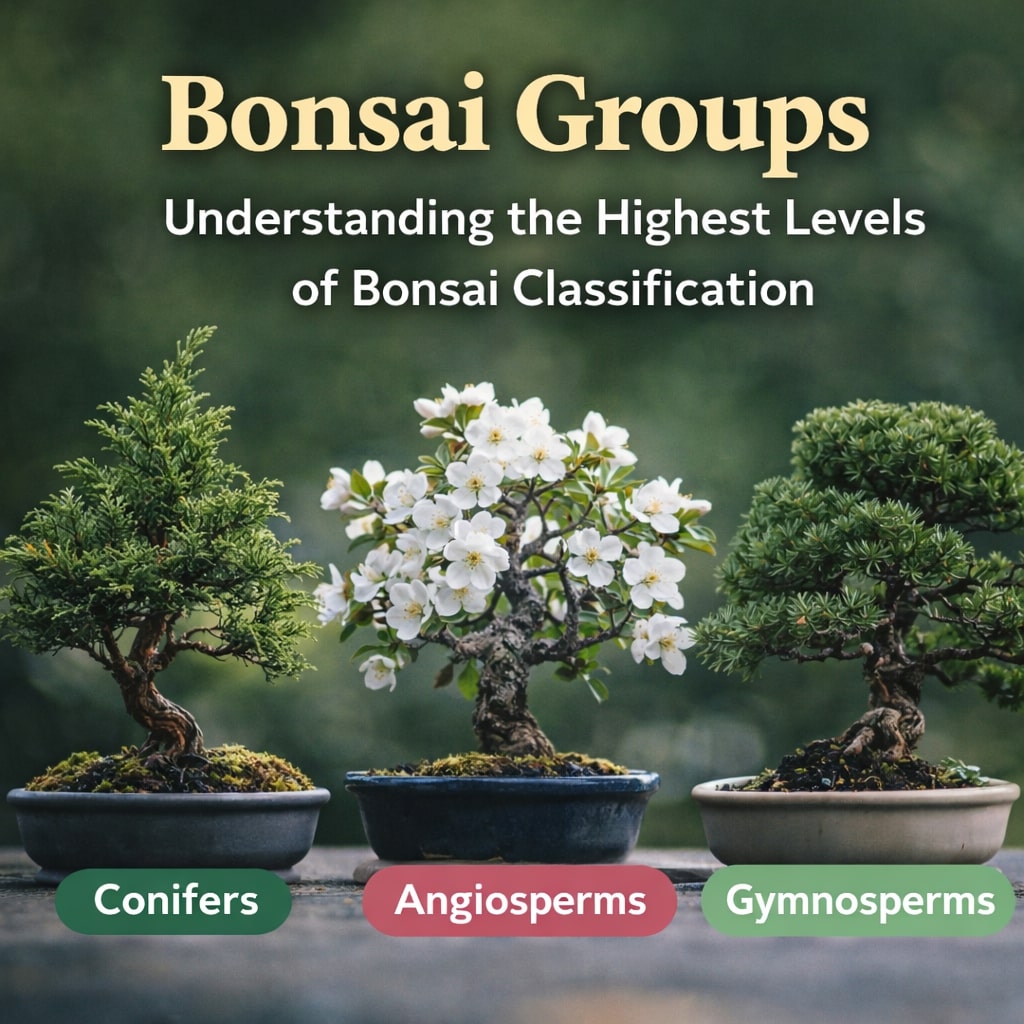
The Bonsai Taxonomy Series begins at the highest possible level: the upper bonsai groups. These include Kingdom, Clades, Superdivisions, Divisions, Subdivisions, Classes, and Subclasses. While these levels may feel distant from everyday bonsai practice, they provide essential context for plant evolution.
At this stage, we are not focusing on bonsai as an art form, but on plants as living organisms shaped by millions of years of evolution. These groupings explain how woody plants emerged, how vascular systems developed, and how flowering plants diverged from conifers and other ancient lineages.
Understanding these upper groups helps explain fundamental differences between bonsai types. For example, why conifers respond differently to pruning than flowering trees, or why certain species tolerate extreme stress while others do not. These traits are rooted in deep evolutionary history.
By starting here, the Bonsai Taxonomy Series creates a solid foundation. Readers gain a “big picture” view of where all bonsai species originate before narrowing down into more specific and practical classifications.
Bonsai Families
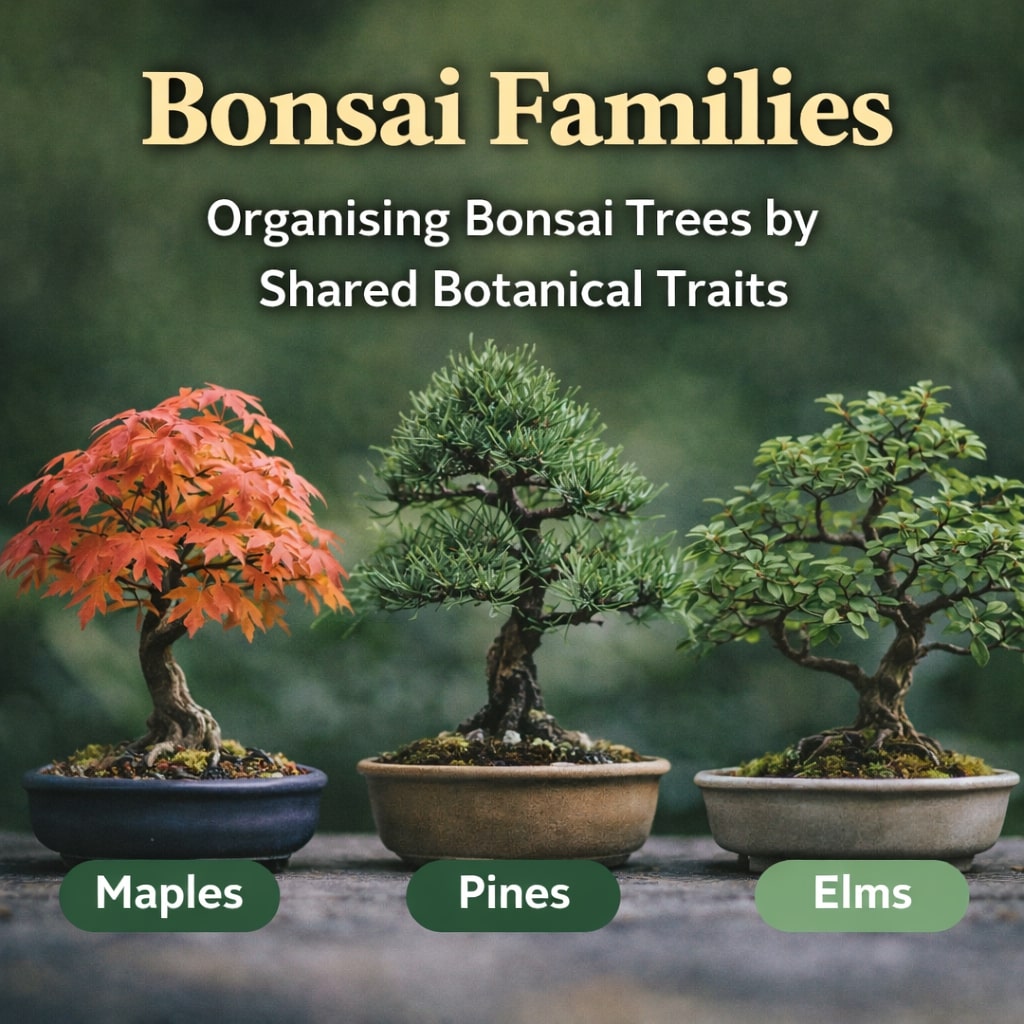
Once the broader evolutionary framework is established, the Bonsai Taxonomy Series moves into bonsai families. This layer focuses on Orders, Families, Subfamilies, and Tribes, which represent closer genetic relationships between plants.
Families are where patterns start to become recognisable to growers. Leaf structure, flower types, growth habits, and even pest vulnerabilities often repeat across members of the same family. For bonsai enthusiasts, this is where comparative learning becomes powerful.
For example, understanding that certain genera belong to the same family helps explain why they share similar watering needs or pruning responses. This makes it easier to transfer knowledge from one bonsai to another without starting from scratch each time.
In the Bonsai Taxonomy Series, family-level articles act as bridges. They connect the abstract evolutionary layers above with the practical genus-level discussions that follow, preparing readers to understand why specific bonsai behave the way they do.
Bonsai Genera
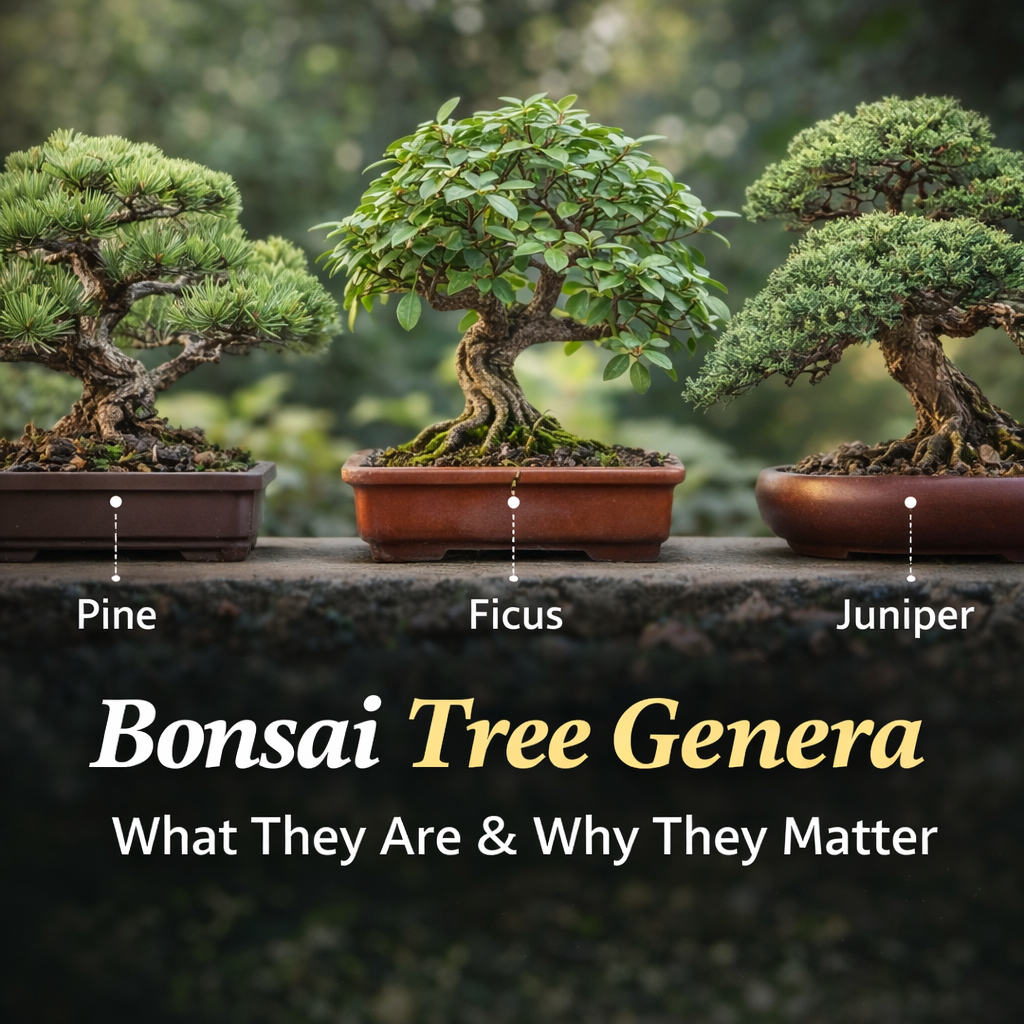
The bonsai genera section is where the series becomes immediately familiar to most enthusiasts. When people talk about juniper, pine, ficus, maple, or olive bonsai, they are usually referring to the genus, not a specific species.
In the Bonsai Taxonomy Series, genus-level articles focus on Genus and Subgenus classifications. This is where we examine the defining traits that make a group of bonsai recognisable in both horticulture and styling traditions.
At this level, readers learn why junipers share certain foliage traits, why pines respond to seasonal work in specific ways, or why ficus species are popular for indoor bonsai. These shared characteristics come from their genetic grouping at the genus level.
This section forms the core of the series for many readers. It connects scientific classification with real-world bonsai practice, helping growers understand why certain techniques work across multiple species within the same genus.
Bonsai Species
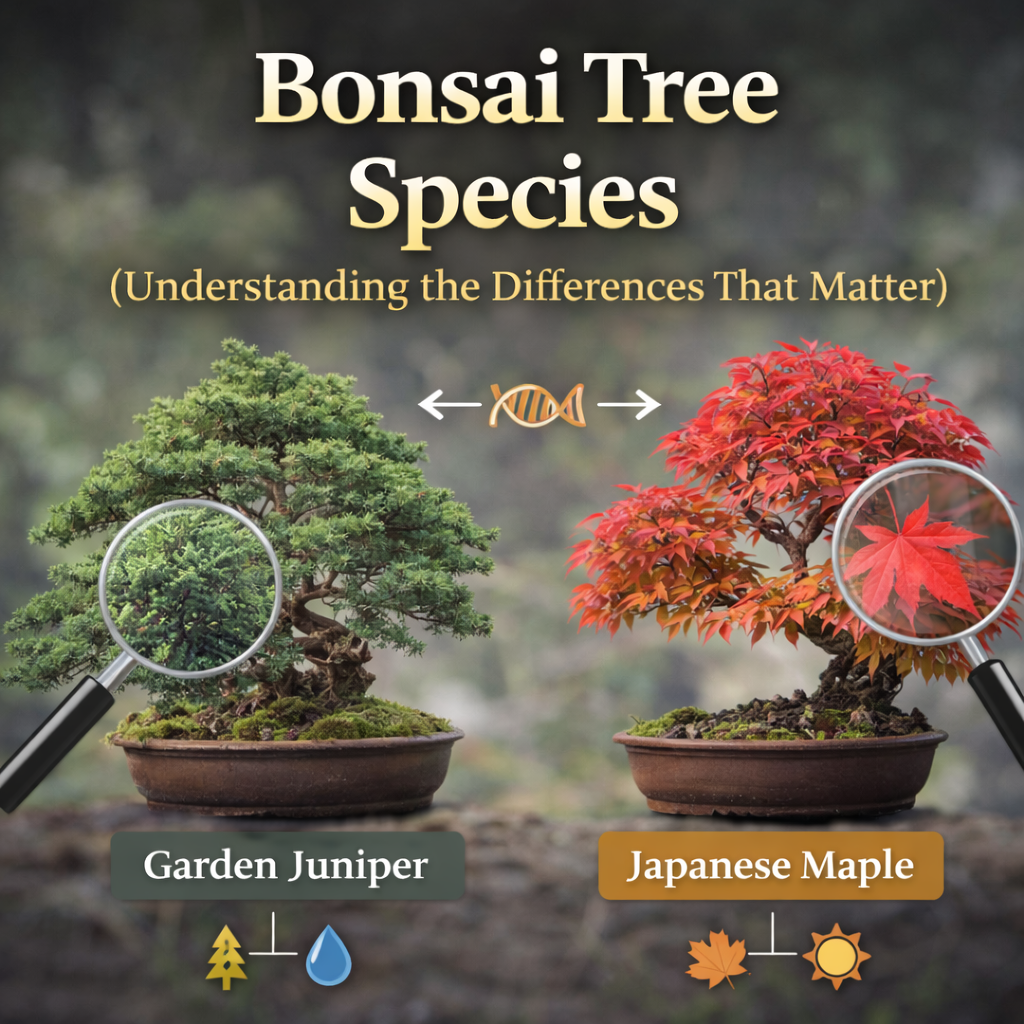
After establishing the genus, the Bonsai Taxonomy Series moves into bonsai species, using Sections, Subsections, and Species as the primary focus. This is the most detailed level of classification we usually explore.
Species-level articles are where care becomes precise. While two species may belong to the same genus, their tolerance for cold, water, pruning, or sun exposure can differ significantly. These differences matter in bonsai cultivation.
We generally stop at the species level rather than subspecies or variants, unless a specific bonsai species requires further distinction for accurate care. When exceptions are needed, they are handled carefully and intentionally.
Crucially, this is the level on which our Bonsai Care Sheets are built. Every care recommendation is grounded in species-specific biology rather than generic advice.
Bonsai Library
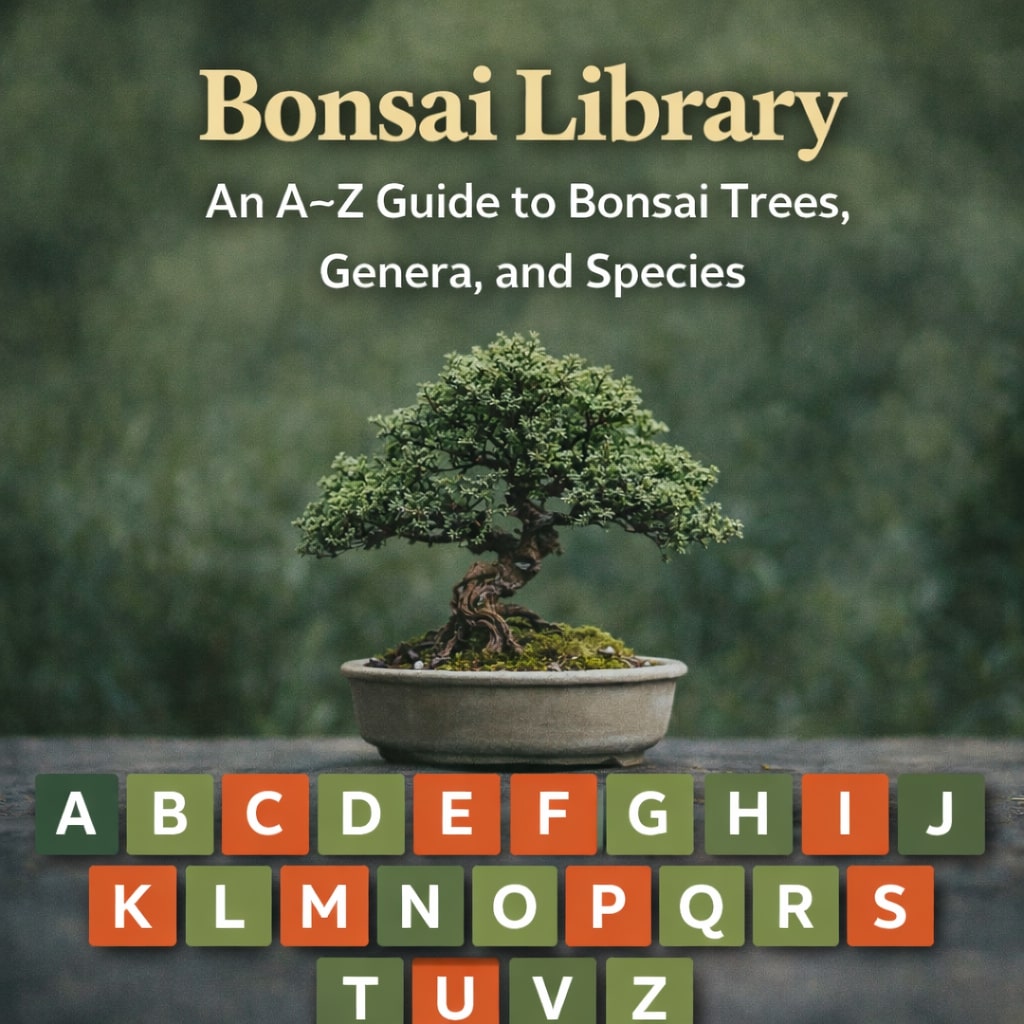
The final destination of the Bonsai Taxonomy Series is the Bonsai Library. This is where all Bonsai Care Sheets are collected and listed alphabetically using common bonsai names, not taxonomy terms.
This approach keeps the library practical and accessible. While the taxonomy articles provide depth and understanding, the library is designed for quick reference when growers need actionable care guidance.
Each care sheet draws directly from the taxonomy work completed earlier in the series. Because the evolutionary, family, genus, and species context is already established, care advice is more accurate, consistent, and reliable.
The Bonsai Library represents the practical payoff of the entire Bonsai Taxonomy Series: structured knowledge turned into usable care.
How it all fits together
The Bonsai Taxonomy Series is not a collection of disconnected articles. It is a layered system designed to guide readers from broad plant evolution to precise bonsai care.
By following this structure, we ensure that every care recommendation has a clear biological foundation. As Phase 2 of Round 1 begins, this tour guide serves as a map — showing where we’ve been, how the system works, and why each step matters.
Whether you are here to learn, to grow better bonsai, or simply to understand your trees more deeply, this series is built to support you every step of the way.