
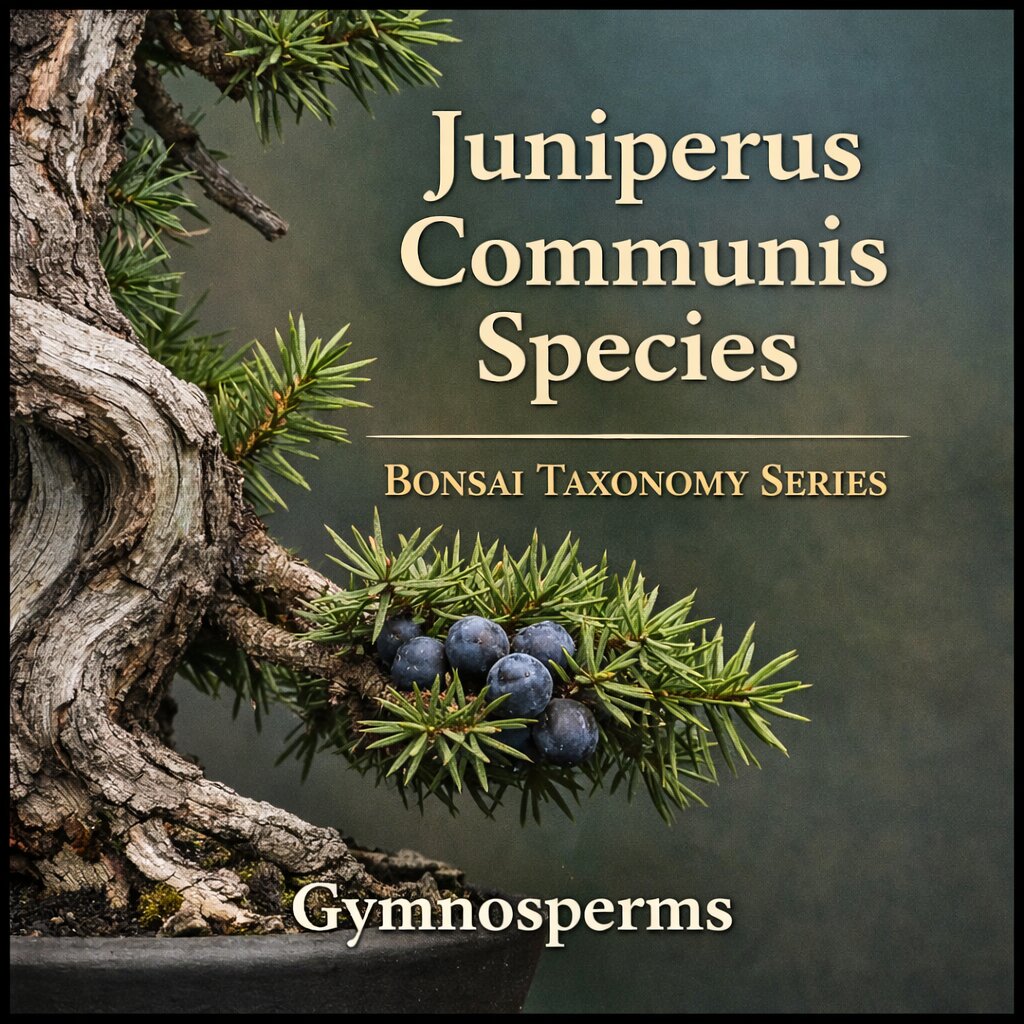
Juniperus communis is one of the most widely distributed woody plants on Earth, making it a key species for understanding both the evolution and ecological adaptability of the genus Juniperus. Commonly known as the common juniper, this evergreen conifer occupies a remarkable range of environments across the Northern Hemisphere, from subarctic tundra to alpine slopes and temperate lowlands.
As a species, Juniperus communis exhibits exceptional morphological variability, which has led to extensive taxonomic debate and the recognition of multiple subspecies and varieties. Its ability to thrive under extreme climatic conditions, combined with its long lifespan and distinctive needle foliage, has made it an important subject in botanical research, conservation studies, and horticultural practice.
This species taxonomy guide examines the classification, physical characteristics, reproductive biology, distribution, and ecological significance of Juniperus communis. By focusing on scientifically recognised traits rather than cultivation techniques, this article provides a foundational reference for understanding the species within its natural and evolutionary context, while also supporting its relevance in horticulture and bonsai taxonomy.
Table of Contents
Taxonomy
– Kingdom: Plantae (Plant Kingdom)
— Clade: Embryophytes (Land Plants)
— Clade: Polysporangiophytes (Multiple Sporangia)
—- Clade: Tracheophytes (Vascular Plants)
—– Superdivision: Spermatophytes (Seed Plants)
—— Clade: Gymnospermae (Naked Seeds)
——- Division: Pinophyta (Conifers)
——– Class: Pinopsida (Living Conifers)
——— Subclass: Cupressidae (Evergreen Conifers)
———- Order: Cupressales (Cypress)
———– Family: Cupressaceae (Cypress)
———— Subfamily: Cupressoideae (Cypress)
————- Genus: Juniperus (Juniper)
————– Section: Juniperus (Common Junipers)
————— Subsection: Juniperus (Evergreen Junipers)
—————- Species: Juniperus communis (Common Juniper)
What is Juniperus Communis?
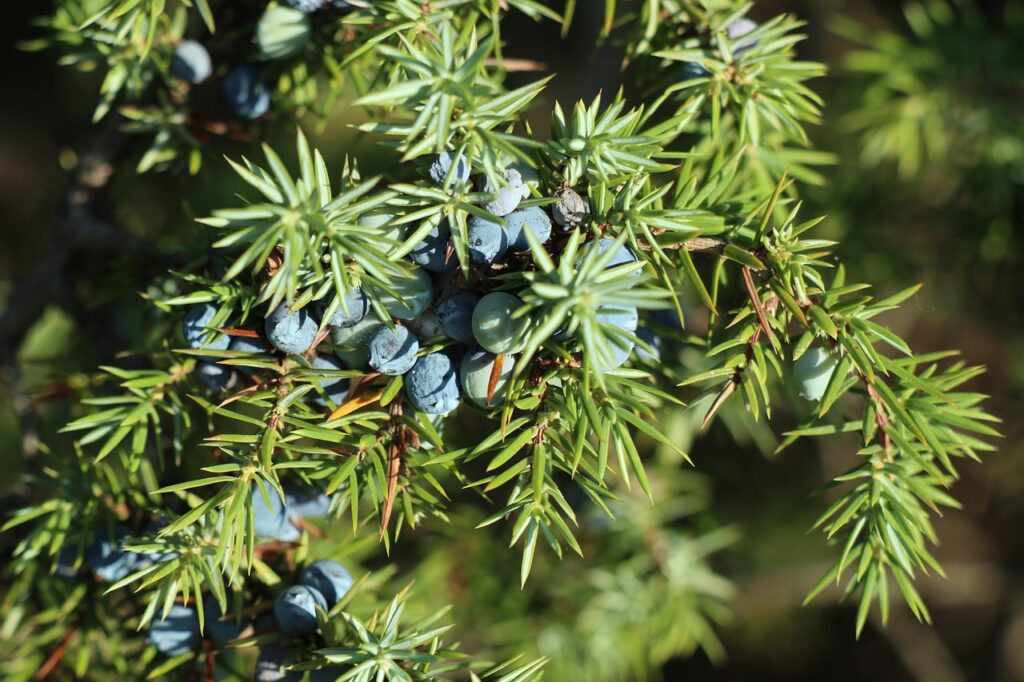
Juniperus communis is an evergreen conifer species belonging to the cypress family, Cupressaceae. Commonly known as the common juniper, it is a woody plant that can grow either as a low, ground-hugging shrub or as a small tree, depending on environmental conditions. It is scientifically notable for having the widest natural geographic range of any woody plant species.
Botanically, Juniperus communis is distinguished by its needle-like leaves, which grow in whorls of three and remain in this juvenile form throughout the plant’s life. Unlike many other junipers, it never develops scale-like adult foliage. The species is dioecious, meaning male and female reproductive structures occur on separate plants, and pollination is achieved by wind.
The species produces berry-like seed cones, commonly referred to as juniper berries, which take approximately 18 months to mature. These cones play an important ecological role in seed dispersal, as they are eaten by birds that later deposit the seeds elsewhere. Chemically, the cones are rich in aromatic compounds and have long been associated with culinary, medicinal, and cultural uses.
From a taxonomic perspective, Juniperus communis is highly variable across its range, leading to the recognition of multiple subspecies and varieties. This variability, combined with its extreme longevity and environmental resilience, makes it a cornerstone species for studying juniper evolution, adaptation, and classification within conifer taxonomy.
Taxonomic classification of Juniperus communis
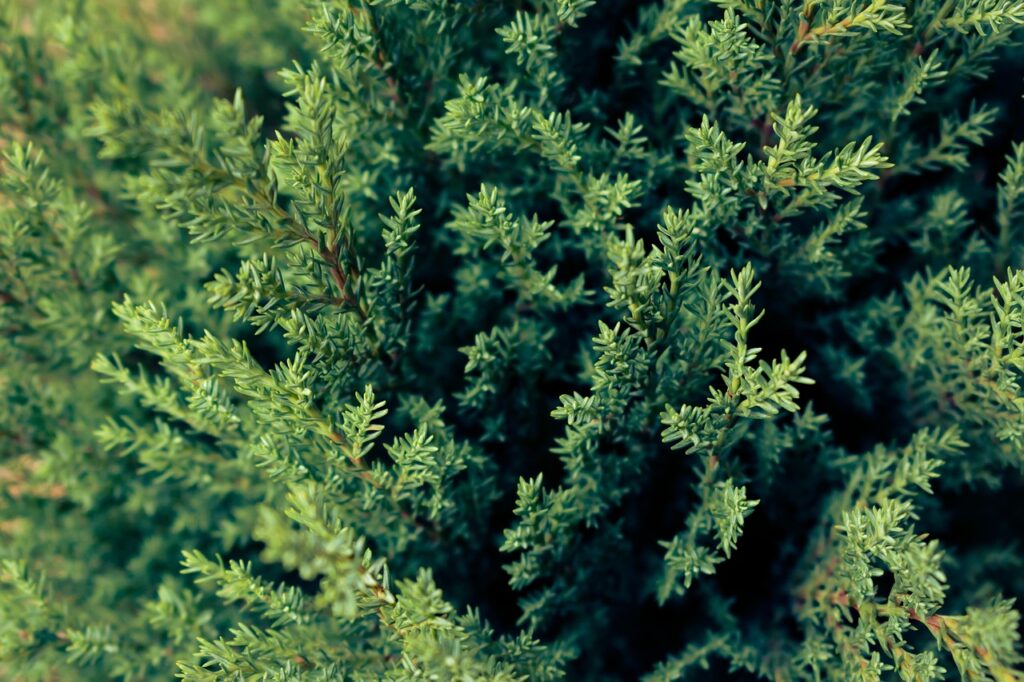
Juniperus communis belongs to the conifer family Cupressaceae and represents a core species within the genus Juniperus. Its classification reflects both its evolutionary history as a gymnosperm and its position among modern conifers adapted to diverse and often extreme environments.
From a higher taxonomic perspective, the species is part of the vascular plant lineage, producing seeds without flowers or fruit and relying on cones for reproduction. Its placement within the order Cupressales groups it with other resin-producing conifers that share similar wood structure, reproductive strategies, and evergreen foliage.
At the genus and sectional level, Juniperus communis is assigned to Juniperus sect. Juniperus, a section characterised by needle-like foliage that remains in the juvenile form throughout the plant’s life. This feature distinguishes the section from other junipers that transition to scale-like adult leaves. Within this section, the species is further placed in Juniperus subsect. Juniperus, indicating close morphological and evolutionary relationships with other needle-leaved junipers.
This taxonomic placement highlights the species’ importance as a reference point within the genus. Due to its wide distribution and morphological variability, Juniperus communis has played a significant role in shaping how juniper taxonomy is interpreted, particularly at the subspecies and varietal levels that will be explored in later sections of this guide.
Botanical description and identifying characteristics
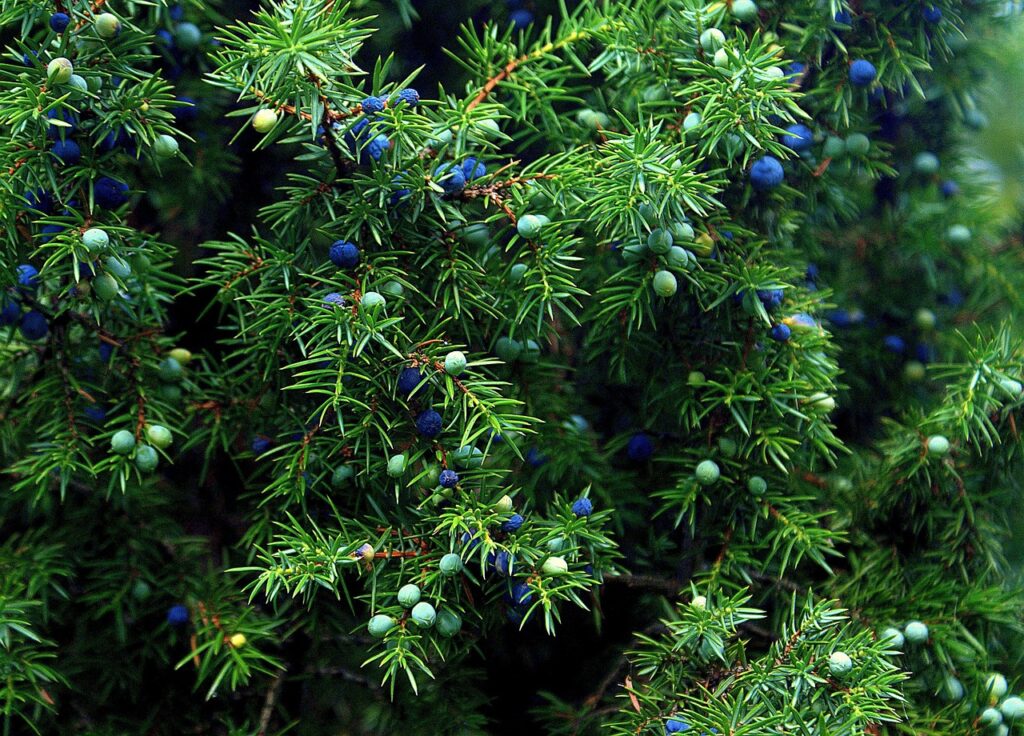
Juniperus communis is a highly variable evergreen conifer whose botanical traits are shaped by both genetic diversity and environmental pressures. Despite its wide range of forms, the species can be reliably identified by a combination of foliage structure, growth habit, and reproductive features that distinguish it from other members of the genus Juniperus.
This section outlines the core botanical characteristics used to identify Juniperus communis in the field and in taxonomic study, focusing on features that remain consistent across its global range.
Overall growth form and structure
The growth form of Juniperus communis varies considerably depending on climate, altitude, and exposure. It may develop as a low, prostrate shrub in subarctic, alpine, or wind-exposed environments, or as an upright shrub or small tree in more sheltered temperate regions. Mature individuals typically range from under one metre in harsh conditions to approximately ten metres in height, with rare specimens exceeding this.
Branches are generally stiff and ascending, forming a dense, often irregular crown. The bark is thin, fibrous, and exfoliates in narrow strips, displaying grey-brown to reddish-brown tones as it matures. This bark structure is characteristic of the species and aids in distinguishing older plants from similar junipers.
Needle foliage and leaf morphology
One of the most distinctive identifying features of Juniperus communis is its needle-like foliage. Leaves are arranged in whorls of three and remain in this juvenile form throughout the plant’s life, unlike many other juniper species that transition to scale-like adult leaves.
Each needle is stiff, sharply pointed, and typically measures between 8 and 27 millimetres in length, depending on subspecies and growing conditions. The upper surface is green, while the inner surface features a single, broad white stomatal band. This prominent band is a key diagnostic trait and is visible even at a distance on healthy foliage.
Reproductive structures and cones
Juniperus communis is dioecious, meaning male and female reproductive structures occur on separate plants. Male plants produce small, yellow pollen cones that develop at the tips of short branchlets and release pollen in early spring through wind dispersal.
Female plants produce seed cones commonly referred to as juniper berries. These cones are initially green and require approximately 18 months to mature, eventually turning purple-black with a bluish waxy coating. Mature cones are spherical, usually containing three fused fleshy scales, each enclosing a single hard seed. Their extended maturation period and distinctive appearance make them an important identifying feature of the species.
Shoots, buds, and surface features
Young shoots of Juniperus communis are slender and green, gradually becoming woody and brown as they age. Buds are small and inconspicuous, lacking the prominent bud scales seen in some other conifer species. Resin production is present but typically limited, contributing subtly to the plant’s aromatic profile rather than forming large resin deposits.
Together, these botanical characteristics form a reliable framework for identifying Juniperus communis across its extensive range, even in regions where environmental conditions produce significant variation in size and habit.
Growth habit, size variation, and longevity
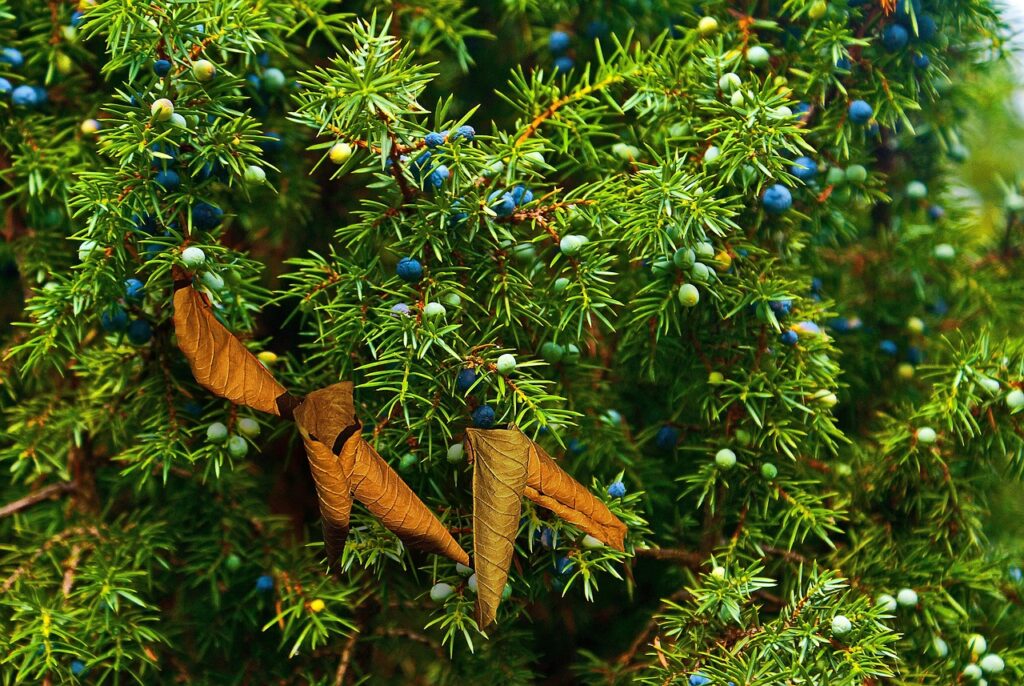
Juniperus communis displays one of the widest ranges of growth habits and life histories of any conifer species. Its ability to persist in environments ranging from exposed tundra to temperate woodlands has resulted in remarkable variation in form, size, and lifespan. These traits are central to understanding both its ecological success and its taxonomic complexity.
This section examines how growth habit and size vary across environments, as well as the exceptional longevity that distinguishes this species among woody plants.
Growth habit across environmental conditions
The growth habit of Juniperus communis is strongly influenced by climate, altitude, soil conditions, and exposure to wind. In lowland temperate regions with deeper soils and reduced environmental stress, it often develops as an upright shrub or small tree with a single or multiple stems.
In contrast, in alpine, subarctic, and coastal environments, the species commonly adopts a prostrate or ground-hugging form. These low-growing shrubs spread horizontally, reducing exposure to wind and cold while benefiting from ground-level warmth. This plasticity allows the species to occupy ecological niches that are inaccessible to many other woody plants.
Size variation and structural limits
Size variation within Juniperus communis is extreme. Prostrate forms may reach only a few centimetres in height while spreading several metres across the ground. Upright individuals typically range from two to ten metres tall, with rare specimens recorded at heights of up to sixteen metres under favourable conditions.
Trunk diameter is usually modest, even in older individuals, reflecting slow growth rates. Growth rings are narrow and densely packed, particularly in cold or nutrient-poor environments. This slow, incremental growth contributes to the species’ structural resilience and long-term survival.
Exceptional longevity and age records
One of the most remarkable characteristics of Juniperus communis is its longevity. Dendrochronological studies, particularly those conducted in northern Europe and subarctic regions, have identified specimens exceeding one thousand years in age. Some shrubs, despite their small size, rank among the oldest known woody plants in Europe.
Male individuals are often observed to live longer than female plants, a pattern attributed to the energetic costs associated with cone production in female plants. Longevity, combined with slow growth and environmental tolerance, allows Juniperus communis populations to persist for centuries in stable habitats.
Implications for taxonomy and ecological study
The wide variation in growth form and lifespan complicates taxonomic classification, as environmental factors can produce dramatic morphological differences within genetically similar populations. Understanding growth habit and longevity is therefore essential when assessing subspecies, varieties, and regional forms of Juniperus communis in both botanical research and applied horticulture.
These traits also make the species a valuable indicator for long-term ecological change, offering insights into climate history, habitat stability, and plant resilience across geological timescales.
Foliage structure and needle morphology
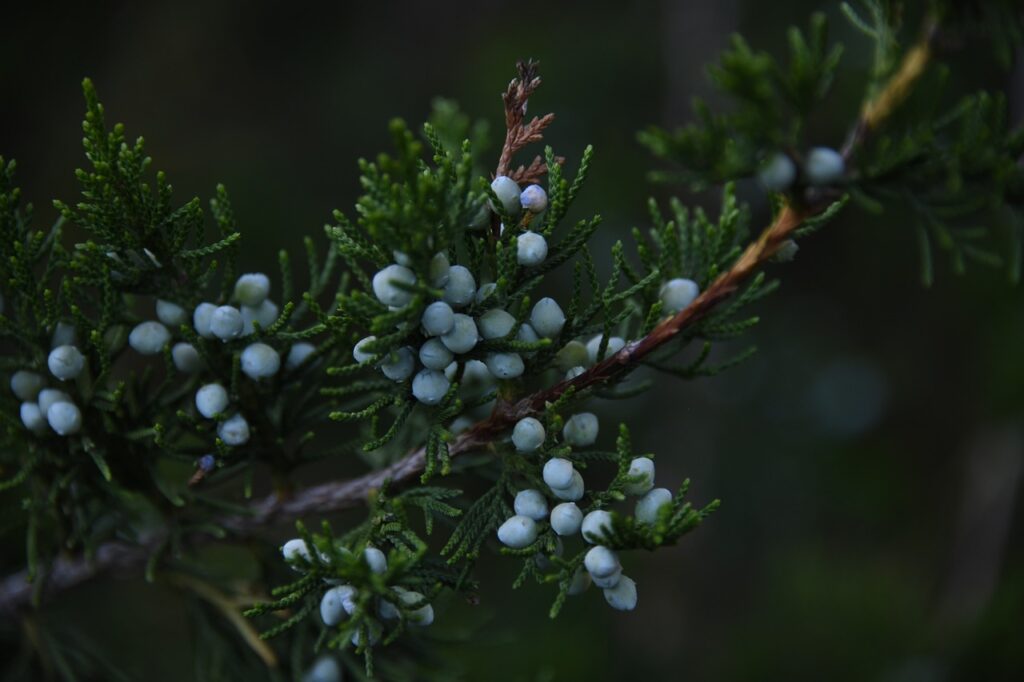
The foliage of Juniperus communis is one of its most defining taxonomic features and a primary characteristic used to distinguish it from other members of the genus. Unlike many junipers that develop scale-like adult foliage, this species retains needle foliage throughout its entire life cycle. This persistent juvenile leaf form places it firmly within Juniperus sect. Juniperus and is central to its identification.
Needle morphology in Juniperus communis is closely linked to environmental adaptation, contributing to the species’ ability to survive in cold, dry, and nutrient-poor habitats.
Needle arrangement and phyllotaxy
Leaves are arranged in whorls of three around the stem, a consistent and diagnostic feature of the species. This whorled arrangement creates a dense, radial foliage structure that reduces moisture loss and offers protection against wind exposure.
The needles are rigid and sharply pointed, forming a spiny texture that can deter herbivory. This structural toughness is especially pronounced in plants growing in exposed or high-altitude environments, where mechanical stress is greater.
Needle shape, size, and surface features
Individual needles are linear-lanceolate in shape and typically measure between 8 and 27 millimetres in length, with variation influenced by subspecies, altitude, and climate. Alpine and subarctic forms often exhibit shorter, thicker needles, while lowland plants tend to have longer foliage.
The upper surface of the needle is green and slightly convex, while the inner surface is marked by a single, broad white stomatal band. This band is one of the most reliable identifying characteristics of Juniperus communis and reflects the distribution of stomata involved in gas exchange.
The thick cuticle and reduced surface area of the needles contribute to drought tolerance by limiting transpiration, allowing the plant to maintain water balance under harsh conditions.
Persistence and evergreen adaptation
Needles are long-lived and may persist on the plant for several years before being shed. This evergreen habit enables year-round photosynthesis whenever conditions permit, providing a survival advantage in regions with short growing seasons.
The retention of juvenile foliage throughout maturity is considered an evolutionarily stable trait within this lineage. It reflects adaptation to environments where scale foliage would offer little advantage and may be less resistant to cold or desiccation.
Taxonomic significance of foliage traits
Foliage structure and needle morphology play a central role in distinguishing Juniperus communis from closely related species and infraspecific taxa. Differences in needle length, thickness, and stomatal band prominence are often used alongside growth habit and cone characteristics to identify subspecies and regional forms.
Because environmental conditions can influence needle size and rigidity, foliage traits are best interpreted in combination with other morphological features when conducting taxonomic assessments.
Reproductive biology and cone development
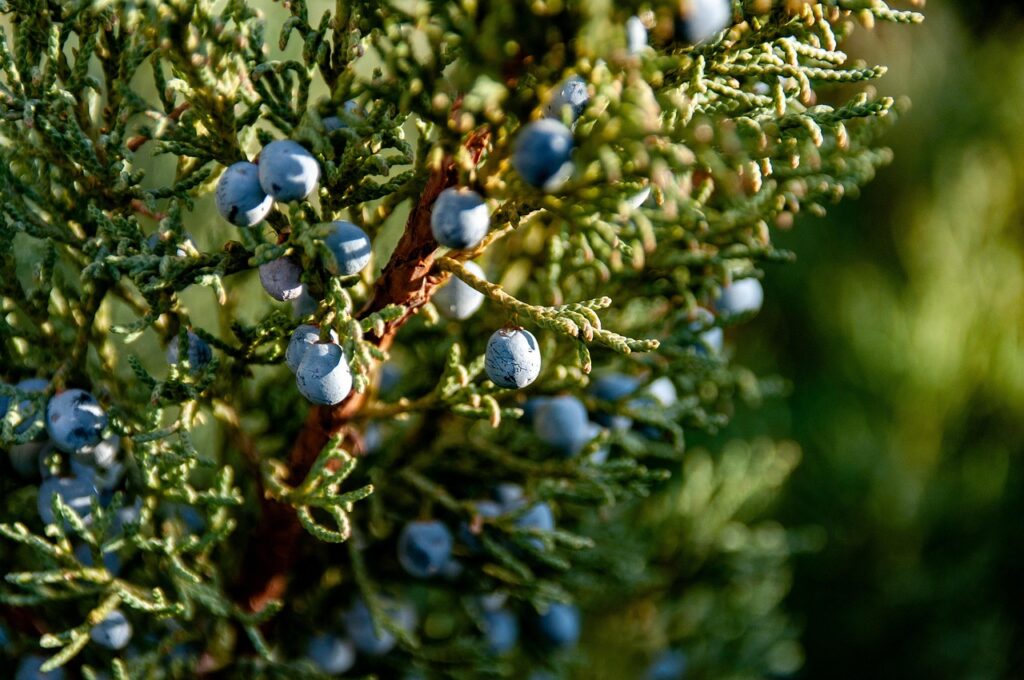
The reproductive biology of Juniperus communis reflects its adaptation to wind-pollinated conifer systems and plays a key role in both its ecological success and taxonomic identification. Its dioecious nature, slow cone maturation, and reliance on animal-assisted seed dispersal distinguish it from many other woody plants across its range.
Understanding cone development and reproductive traits is essential when identifying the species in the field and when differentiating between subspecies and regional forms.
Dioecy and pollination strategy
Juniperus communis is dioecious, meaning individual plants are either male or female. Male and female reproductive structures are borne on separate plants, requiring cross-pollination for seed production. Pollination occurs via wind, typically in late winter to early spring, depending on latitude and climate.
Male plants produce pollen cones that release large quantities of lightweight pollen into the air. This strategy increases the likelihood of successful fertilisation across sparse or widely distributed populations, particularly in open or alpine habitats where insect pollinators are scarce.
Female plants generally invest more energy in reproduction, which is thought to contribute to observed differences in longevity between male and female individuals.
Male cones and pollen production
Male cones are small, yellow to yellow-brown, and typically measure between two and three millimetres in length. They develop at the tips of short lateral shoots and mature rapidly.
Pollen release occurs over a short period in early spring. Once pollen is shed, the male cones wither and fall from the plant. Their brief presence and small size make them less commonly observed outside the pollination window.
Female cones and seed development
Female reproductive structures develop into fleshy seed cones commonly referred to as juniper berries. These cones are initially green and require approximately 18 months to fully mature, an unusually long development period among conifers.
As they mature, the cones turn purple-black and develop a bluish waxy coating. Each cone is typically spherical and composed of three fused fleshy scales, though occasional variation occurs. Each scale encloses a single hard, unwinged seed.
The extended maturation period results in the simultaneous presence of both immature and mature cones on female plants, a useful identifying feature in the field.
Seed dispersal and ecological interactions
Seed dispersal in Juniperus communis relies primarily on birds and mammals. The fleshy cones are consumed by birds, which digest the outer tissue and later excrete the intact seeds at new locations. This process allows seeds to be transported over considerable distances and deposited in suitable germination sites.
This mutualistic relationship enhances the species’ ability to colonise open ground, disturbed habitats, and marginal environments. It also contributes to the wide and often fragmented distribution patterns observed across its global range.
Taxonomic relevance of reproductive traits
Cone size, maturation time, and relative proportions between leaf length and cone length are frequently used in distinguishing subspecies and varieties of Juniperus communis. However, environmental factors can influence cone development, making reproductive traits most reliable when evaluated alongside foliage and growth habit characteristics.
Reproductive biology thus provides both functional insight into the species’ ecology and practical tools for accurate taxonomic classification.
Natural distribution, global habitat range and ecological role
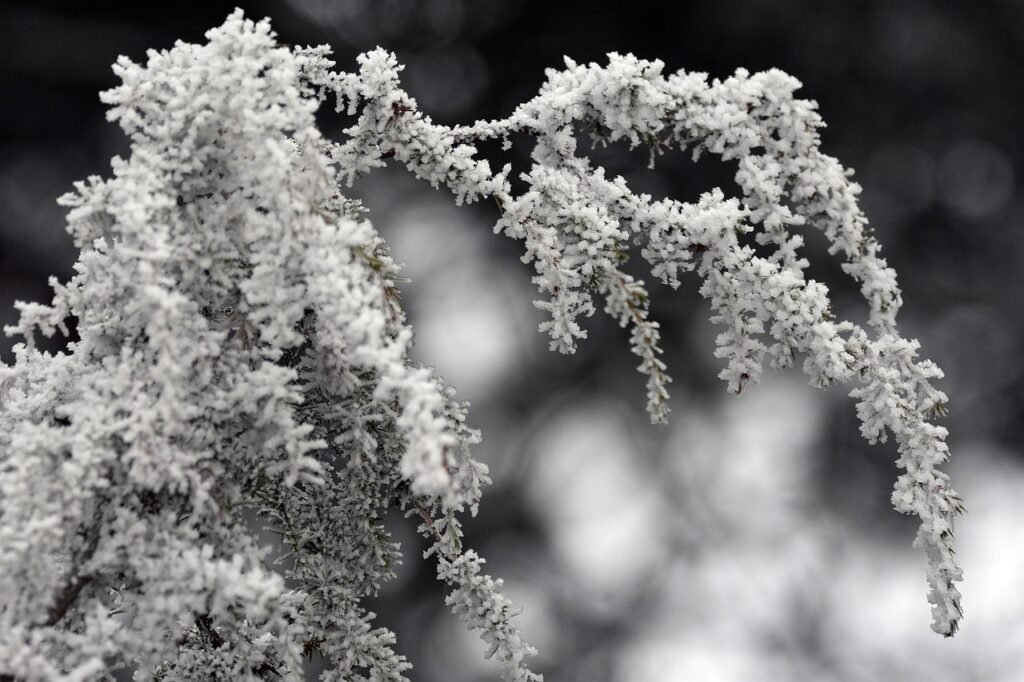
Juniperus communis is exceptional among woody plants for the sheer extent of its natural distribution. Its ability to survive across a wide range of climatic and ecological conditions has made it one of the most geographically widespread conifer species in the world. This broad range has also shaped its ecological role in many different environments.
Understanding its distribution and habitat preferences is essential for interpreting the species’ variability, resilience, and long-term persistence.
Circumpolar distribution across the Northern Hemisphere
Juniperus communis has a circumpolar distribution throughout the Northern Hemisphere, occurring across North America, Europe, and Asia. It extends from Arctic and subarctic regions southward into temperate zones, often persisting at higher elevations where cooler conditions prevail.
In North America, the species is found from Alaska and northern Canada down through mountainous regions of the western United States and isolated areas of the eastern continent. In Europe, it is widespread from Scandinavia to the Mediterranean mountains. Across Asia, it occupies large areas from western Europe through Siberia and into parts of East Asia and Japan.
Relict populations also occur in isolated locations such as the Atlas Mountains of North Africa, where cooler microclimates allow the species to survive outside its main range.
Habitat preferences and environmental tolerance
The species occupies an unusually broad range of habitats. It thrives in open, sunny locations and is commonly found on rocky slopes, heathlands, grasslands, dunes, tundra, and alpine zones. It tolerates poor, shallow, and nutrient-deficient soils where competition from faster-growing plants is limited.
Juniperus communis is highly drought-tolerant once established and performs well in well-drained soils. It is also resistant to cold, wind, and seasonal temperature extremes, making it a dominant woody species in environments that challenge many other trees and shrubs.
While adaptable, it generally avoids dense forests and shaded conditions, as its growth and regeneration depend on high light availability.
Ecological role and interactions
Ecologically, Juniperus communis plays an important role as a pioneer species. It often colonises disturbed ground, stabilising soils and creating microhabitats that support the establishment of other plant species over time.
The fleshy seed cones provide a food source for birds and mammals, particularly during winter months when other resources are scarce. Through seed dispersal, these animals contribute to the species’ wide and often patchy distribution.
Its dense foliage offers shelter for wildlife, while its aromatic compounds may deter some herbivores and pathogens. In certain ecosystems, Juniperus communis contributes to fire ecology, either by influencing fire behaviour or by regenerating in post-fire landscapes depending on regional conditions.
Significance in long-term ecosystem stability
The longevity and slow growth of Juniperus communis allow it to persist for centuries in stable habitats. This makes it an important indicator species for studying long-term environmental change, including shifts in climate, land use, and grazing pressure.
Its presence across such a wide range of ecosystems highlights its ecological flexibility and underscores its importance as a foundational species in many Northern Hemisphere landscapes.
Infraspecific variation and recognised subspecies
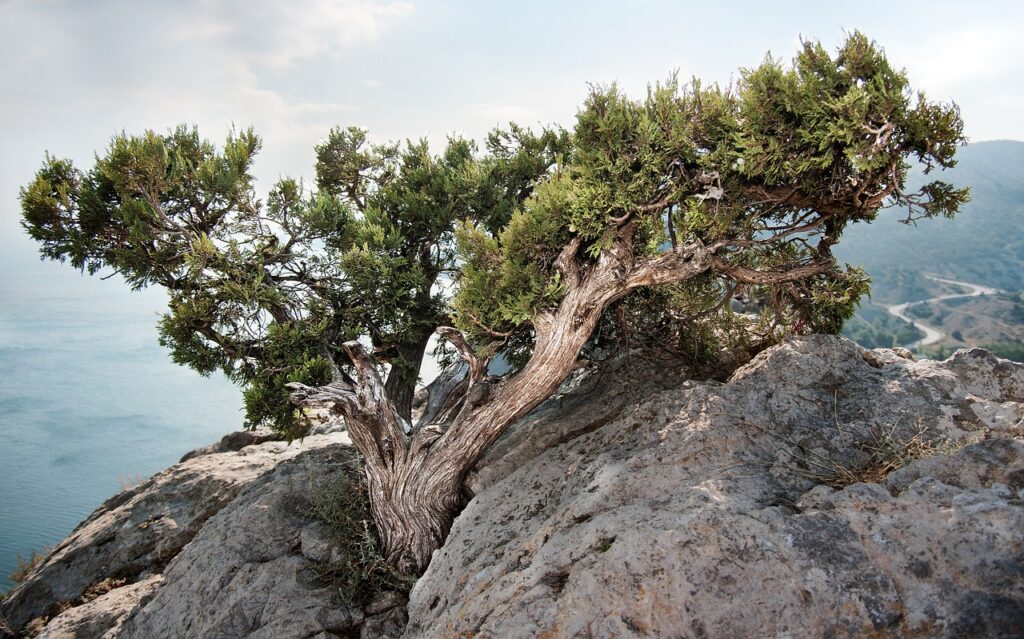
Juniperus communis exhibits exceptional infraspecific variation, largely driven by its vast geographic range and adaptation to diverse environmental conditions. Differences in growth habit, needle length, cone size, and overall form have led botanists to recognise multiple subspecies and varieties. However, the delimitation between these taxa remains complex, as morphological variation does not always align neatly with genetic data.
Taxonomic interpretation of infraspecific ranks within Juniperus communis has varied over time and between regions. Some authorities recognise subspecies as distinct and stable units, while others prefer to treat certain forms at the varietal level or, in some cases, as separate species. This ongoing debate reflects the species’ evolutionary flexibility and ecological breadth.
The two most widely recognised subspecies are outlined below.
- Juniperus communis subsp. communis: This is the typical form of the species and is most commonly encountered across temperate regions. It usually grows as an erect shrub or small tree, with needle leaves measuring approximately 8 to 27 millimetres in length. The seed cones are relatively small, typically 5 to 8 millimetres in diameter, and are often shorter than the leaves. This subspecies occurs at low to moderate elevations across Europe, northern Asia, and parts of North America. Recognised varieties within this subspecies include:
- J. communis var. communis, found across Europe and much of northern Asia
- J. communis var. depressa, distributed in North America and parts of the Sierra Nevada
- J. communis var. hemisphaerica, occurring in mountainous regions of the Mediterranean
- J. communis var. nipponica, reported from Japan, though its taxonomic status remains uncertain and is sometimes treated as a variety of Juniperus rigida
- Juniperus communis subsp. alpina: Often referred to as alpine juniper, this subspecies is typically prostrate and ground-hugging, an adaptation to cold, windy, and high-altitude environments. Leaves are shorter, usually between 3 and 8 millimetres, while cones are often larger, ranging from 7 to 12 millimetres and frequently exceeding leaf length. This form is characteristic of subarctic regions and alpine zones across Europe, Asia, Greenland, and North America. Several varieties have been described, including subsp. alpina var. alpina, var. megistocarpa, and var. jackii, though many botanists consider these insufficiently distinct to warrant formal separation.
Some taxonomic treatments reduce subsp. alpina to varietal rank under the name Juniperus communis var. saxatilis, while others elevate it to species level as Juniperus sibirica. These differing interpretations underscore the challenges of classifying a species with such broad ecological amplitude.
Overall, infraspecific variation in Juniperus communis reflects continuous adaptation rather than sharply defined boundaries. For this reason, accurate identification relies on evaluating multiple traits in combination rather than any single morphological feature.
Juniperus communis in horticulture and bonsai contexts
Juniperus communis occupies an important position in horticulture due to its hardiness, adaptability, and long cultural history. Its ability to tolerate cold, drought, poor soils, and exposure has made it a valued ornamental plant in gardens and managed landscapes, particularly in temperate and northern regions. Numerous cultivars have been selected for specific growth habits, including upright, columnar, and prostrate forms, allowing the species to be used in a wide range of design contexts.
In landscape horticulture, common juniper is often employed as a structural evergreen, ground cover, or wind-tolerant planting in open sites. Its slow growth rate, aromatic foliage, and low nutrient requirements make it suitable for low-maintenance plantings. Cultivars such as narrow columnar forms and spreading ground covers are widely used in public and private landscapes, particularly in regions where more delicate evergreens struggle to survive.
From a botanical perspective, Juniperus communis is valued for its genetic diversity and its role as a reference species within the genus. It is frequently included in arboreta, botanical gardens, and conservation collections as a representative of needle-leaved junipers and as an example of extreme intraspecific variability.
In bonsai contexts, Juniperus communis holds a more specialised position. While it is historically significant, particularly in European bonsai traditions, it is generally considered more challenging than some other juniper species commonly used in bonsai. Its stiff needle foliage, slow response to pruning, and sensitivity to heavy root disturbance require careful handling and long-term planning.
Nevertheless, the species is well suited to bonsai styles that reflect its natural growth forms, such as informal upright, slanting, and especially prostrate or windswept compositions. Alpine and subarctic forms, in particular, lend themselves naturally to low-profile designs that emphasise age, resilience, and environmental struggle.
In bonsai taxonomy, Juniperus communis is important as a baseline species within Juniperus sect. Juniperus. Understanding its natural morphology, growth habit, and ecological adaptations is essential before applying bonsai techniques. For this reason, species-level taxonomy guides play a critical role in separating scientific understanding from cultivation practice, with dedicated care sheets addressing horticultural techniques separately.
Overall, Juniperus communis bridges botanical study, horticultural use, and bonsai artistry. Its presence across these disciplines reflects not ease of cultivation, but depth of character, longevity, and its value as a living example of conifer adaptation across some of the harshest environments on Earth.