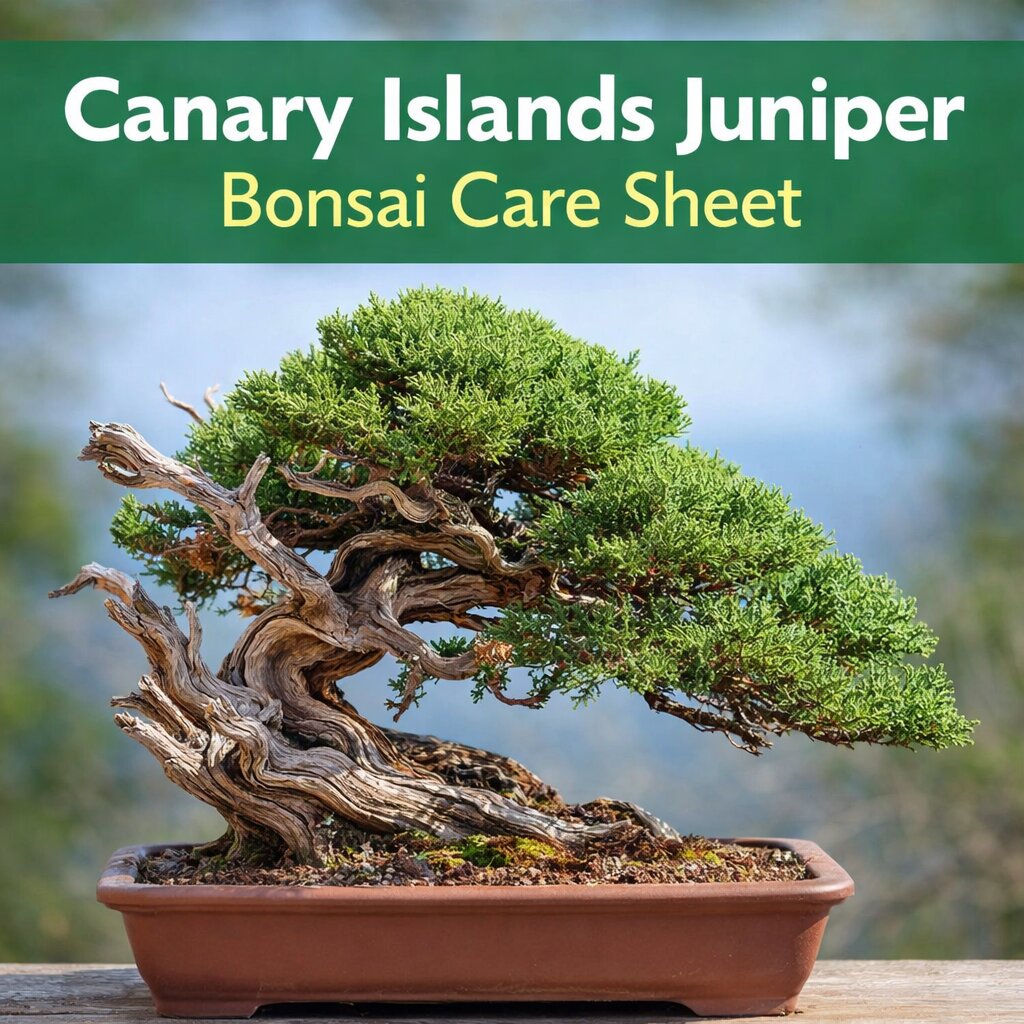
The Canary Islands juniper bonsai is a striking and rugged species known for its twisted trunks, fine foliage, and natural windswept character. Native to the Canary Islands, this juniper thrives in harsh coastal and mountainous environments, which makes it an exceptionally resilient choice for bonsai enthusiasts who appreciate dramatic structure and endurance.
As a bonsai, the Canary Islands juniper offers both beauty and strength. Its naturally contorted growth habit lends itself well to expressive styles, while its hardy nature makes it suitable for growers willing to provide strong light and well-draining soil. In this care sheet, we explore everything you need to know to cultivate a healthy and visually powerful Canary Islands juniper bonsai.
Table of Contents
TL:DR Quick Canary Islands Juniper Bonsai Care Overview
The Canary Islands juniper bonsai is a hardy evergreen conifer native to the volcanic slopes and coastal cliffs of the Canary Islands. Known scientifically as Juniperus cedrus, this species is adapted to intense sun, wind exposure, and well-draining soils. As a bonsai, it rewards growers with dramatic movement, rugged bark, and fine-scale foliage, but it prefers warm conditions and excellent drainage.
Below is a quick-reference care guide to help you maintain a healthy and expressive Canary Islands juniper bonsai.
| Care aspect | Canary Islands Juniper Bonsai |
|---|---|
| Scientific name | Juniperus cedrus |
| Common name | Canary Islands Juniper |
| Bonsai type | Evergreen conifer |
| Light | Full sun. Requires strong direct light for tight foliage and healthy growth. |
| Watering | Water thoroughly, then allow partial drying. Avoid prolonged waterlogging. Drought tolerant once established. |
| Soil | Fast-draining mix (akadama, pumice, lava rock). Prefers slightly alkaline to neutral soil. |
| Fertiliser | Balanced feed during spring and summer. Reduce feeding in late autumn and winter. |
| Pruning | Regular pinching to maintain shape. Structural pruning during active growth. Avoid heavy pruning in cold periods. |
| Wiring | Wire in spring or early autumn. Monitor closely as bark can mark if left too long. |
| Difficulty | Moderate. Best suited to growers with some bonsai experience. |
| Rarity | Less common in cultivation outside Mediterranean and subtropical regions. |
| Climate sensitivity | Prefers warm, dry climates. Protect from severe frost and prolonged freezing temperatures. |
| Growth habit | Naturally twisted, low-spreading form with strong lateral movement and rugged trunk character. |
Canary Islands Juniper Bonsai Care Guide
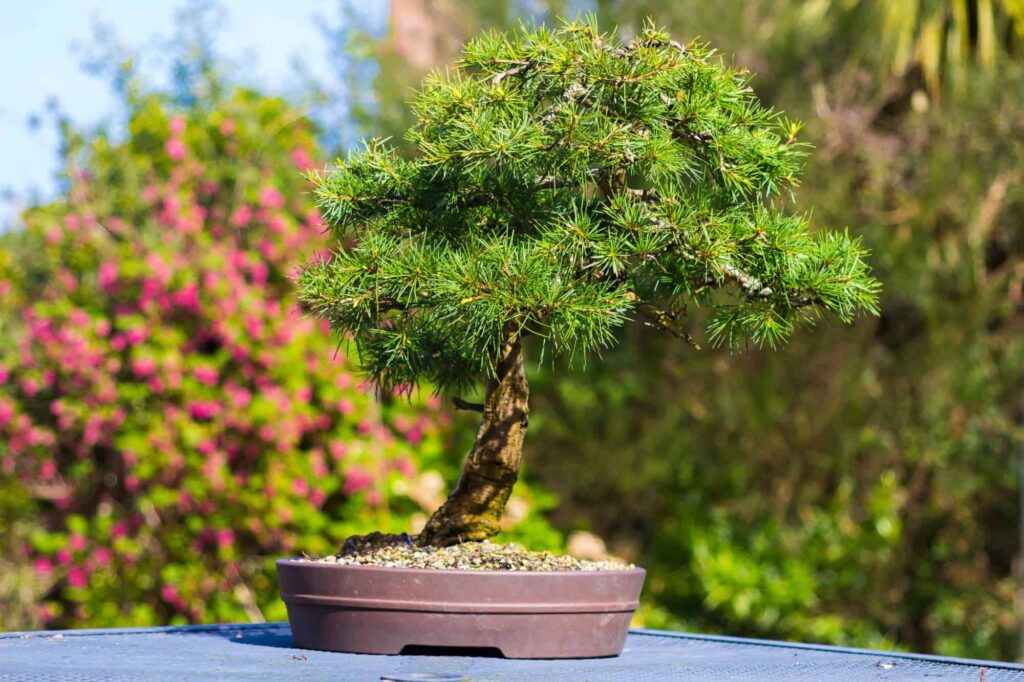
The Canary Islands juniper bonsai is a rugged evergreen conifer native to the volcanic slopes and coastal cliffs of the Canary Islands. In its natural habitat, it survives intense sunlight, strong winds, and well-draining rocky soils. These adaptations make it a resilient and visually powerful bonsai species when grown in the right conditions.
Its naturally twisted trunk movement, compact needle foliage, and textured bark lend themselves beautifully to dramatic bonsai styles. However, success with this species depends on replicating its warm, sunny, free-draining environment as closely as possible.
Light
The Canary Islands juniper bonsai requires full sun to thrive. Strong direct light promotes compact foliage pads, tight growth, and overall tree health. Without sufficient sunlight, growth becomes elongated and weak, and the tree may lose its dense character.
In extremely hot climates, especially inland areas with intense afternoon heat, light shading during peak summer hours can prevent stress. However, this species generally prefers maximum sunlight exposure throughout the growing season.
Watering
Water thoroughly when the top layer of soil begins to dry. Allow water to flow freely through the drainage holes to flush out salts and prevent root stagnation.
This species is naturally drought-tolerant and prefers slightly drier conditions compared to many other bonsai trees. Avoid constantly wet soil, as prolonged waterlogging can quickly lead to root problems. It is better to let the soil partially dry between waterings than to keep it saturated.
Pruning
Regular pinching helps maintain compact foliage and encourages ramification. Trim new shoots back to maintain the desired silhouette, but avoid cutting back into old wood unless absolutely necessary.
Structural pruning is best done during active growth in spring or early summer. Heavy pruning during cold periods should be avoided, as recovery will be slower and stress levels higher.
Shaping
The Canary Islands juniper bonsai naturally lends itself to informal upright, windswept, and dramatic movement styles due to its rugged growth habit.
When shaping, work with the tree’s natural flow rather than forcing artificial lines. Its lateral branching and twisting trunk character are key aesthetic features, so shaping should enhance these qualities rather than suppress them.
Soil
This species demands a fast-draining bonsai mix. A blend of akadama, pumice, and lava rock works well. Excellent drainage is essential to prevent root rot.
The Canary Islands juniper tolerates slightly alkaline to neutral soil conditions, reflecting its native volcanic environment. Avoid heavy organic mixes that retain too much moisture.
Repotting
Repot in early spring just as growth begins. Younger trees may require repotting every two to three years, while more mature specimens can be repotted less frequently.
When repotting, prune roots moderately but avoid removing too much at once. Maintaining a healthy root structure is critical for long-term vigour.
Wiring
Wiring is best done in spring or early autumn. The branches are flexible when young but can become brittle as they age.
Monitor wired branches closely, as bark can mark if wire is left on too long. Remove wire before it begins to bite into the bark.
Fertiliser
Feed with a balanced fertiliser during spring and summer when the tree is actively growing. Reduce feeding in late autumn and winter when growth slows.
Avoid excessive nitrogen, as overly vigorous growth can reduce foliage density and compromise the refined bonsai look.
Propagation
Propagation is typically done through semi-hardwood cuttings taken in late summer. Rooting hormone improves success rates.
While possible from seed, propagation by cuttings ensures the new plant retains the characteristics of the parent tree.
Seasonal Care
During spring and summer, provide full sun, regular feeding, and consistent watering.
In winter, protect the tree from severe frost. While hardy in mild climates, prolonged freezing temperatures can damage roots. In colder regions, provide shelter or cold-frame protection.
Pests
Common pests include spider mites, aphids, and scale insects. Dry conditions can increase the likelihood of spider mite infestations.
Regular inspection and good air circulation help prevent outbreaks. Treat infestations promptly with appropriate horticultural solutions.
Diseases
The main risk for this species is root rot caused by poor drainage. Fungal issues can develop if the soil remains constantly wet.
Maintaining proper watering habits and using a well-draining soil mix are the best preventive measures. Healthy trees grown in suitable conditions are generally resistant to disease.
How to Identify a Canary Islands Juniper Bonsai
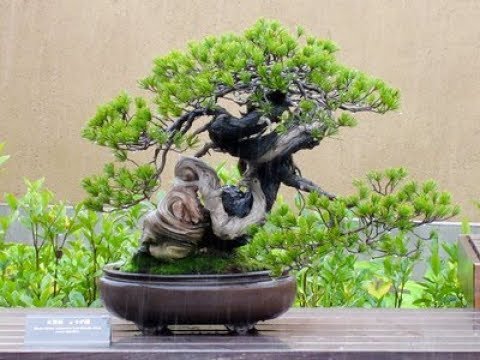
Correctly identifying a Canary Islands juniper bonsai is essential, especially since many juniper species are commonly used in bonsai cultivation. While it shares characteristics with other Mediterranean junipers, this species has distinct foliage structure, bark texture, and fruit characteristics that set it apart.
Below are the key identifying features to look for.
Leaf Identification
The Canary Islands juniper has sharp, needle-like foliage rather than scale foliage. The needles are typically arranged in whorls of three and are relatively stiff and pointed.
Each needle usually shows a pale stomatal band along the upper surface, giving it a subtle striped appearance. The foliage is a rich green to slightly bluish-green tone, and unlike some other junipers, it does not easily transition into soft scale leaves as it matures.
Flower Gallery
Like all junipers, Juniperus cedrus is dioecious, meaning male and female flowers occur on separate trees.
Male flowers are small, yellowish to brown pollen cones that release fine pollen during late winter to early spring. Female flowers are inconspicuous and develop into berry-like cones after pollination. These structures are subtle and often go unnoticed on bonsai specimens.
Fruit Identification
The fruit of the Canary Islands juniper is a fleshy, berry-like cone. These cones typically mature to a reddish-brown or copper tone rather than the deep blue commonly seen in other juniper species.
The berries are relatively large compared to many junipers and can take over a year to fully mature. On bonsai trees, fruiting may be limited, but mature specimens in optimal conditions can produce them.
Seeds and Pods
Each berry-like cone usually contains several hard seeds embedded within the fleshy exterior. The seeds are small, woody, and protected by the thick cone structure.
Because this species grows slowly in bonsai form, seed production is not always common in cultivated specimens. When present, seeds indicate a mature and healthy tree.
Bark Textures
One of the most distinctive identification features of the Canary Islands juniper is its rugged bark. Mature trees develop fibrous, peeling bark that ranges from grey to reddish-brown.
As the tree ages, the bark becomes more textured and layered, contributing to the dramatic, weathered appearance highly valued in bonsai styling.
Seasonal Changes
The Canary Islands juniper is an evergreen species and does not undergo dramatic seasonal leaf colour changes.
However, subtle shifts in tone may occur depending on light exposure and temperature. Growth slows significantly in winter, while spring and early summer produce the most active development. Its overall structure remains visually consistent throughout the year, making it a reliable evergreen bonsai display tree.
Bonsai Styles Suited to Canary Islands Juniper Bonsai
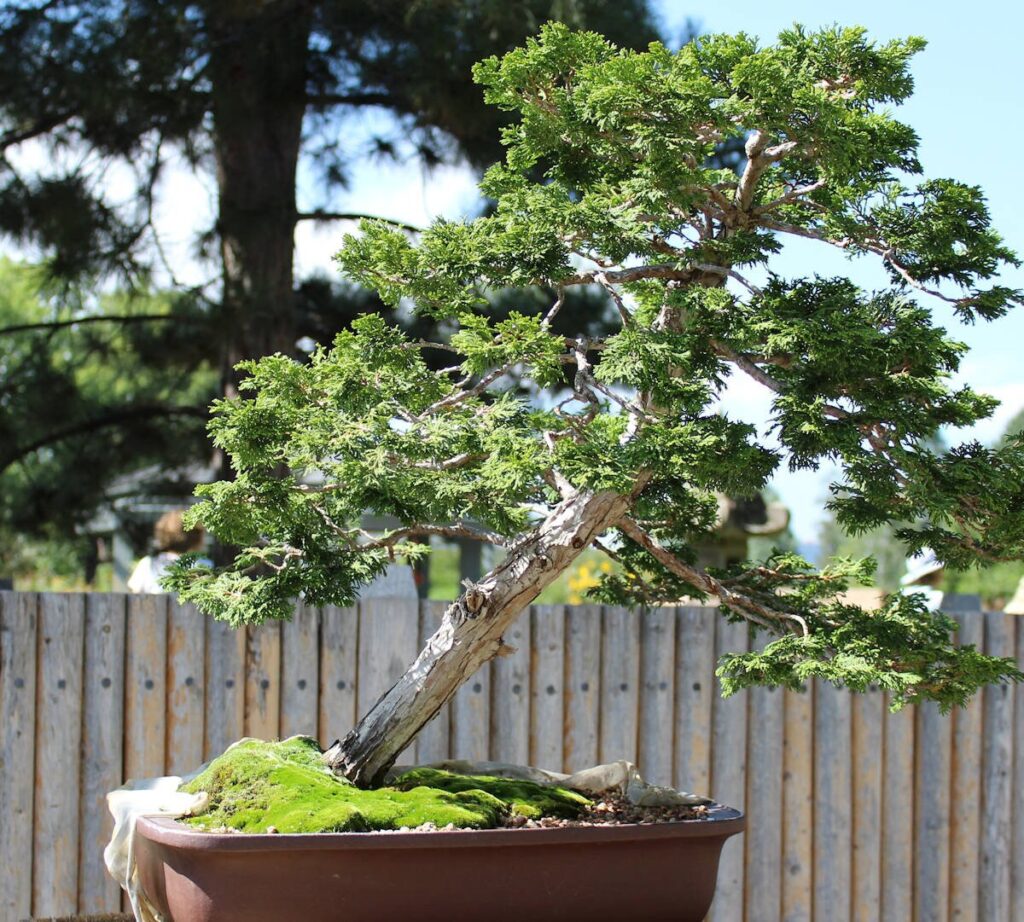
The Canary Islands juniper bonsai is naturally suited to dramatic and expressive bonsai styles. In its native environment, this species grows in harsh, wind-exposed conditions along rocky slopes and coastal cliffs. That rugged background gives the Canary Islands juniper bonsai a strong sense of movement and resilience, making it ideal for styles that emphasise age, struggle, and character.
When styling a Canary Islands juniper bonsai, it is important to work with its natural growth habit. Rather than forcing rigid, formal structures, this species responds best when its lateral movement and twisted trunk lines are enhanced.
Informal Upright (Moyogi)
The informal upright style works beautifully with a Canary Islands juniper bonsai. Its natural trunk curves and directional movement create visual interest without appearing artificial.
Because this species often develops subtle bends and shifting trunk lines, it adapts well to a balanced but dynamic silhouette. The key is to emphasise gentle movement while maintaining strong taper and well-structured foliage pads.
Windswept (Fukinagashi)
The windswept style is one of the most suitable options for a Canary Islands juniper bonsai. Its native environment often exposes it to strong coastal winds, which makes this style feel authentic rather than forced.
When styled as windswept, the branches should flow consistently in one direction, creating a sense of movement and environmental influence. This approach highlights the species’ natural resilience and rugged character.
Cascade (Kengai) and Semi-Cascade (Han-Kengai)
Because the Canary Islands juniper bonsai is adapted to rocky slopes and cliffside growth, cascade and semi-cascade styles are highly appropriate.
These styles allow the trunk to descend below the pot’s rim, mimicking how the species might grow over a cliff face. Strong root stability and dramatic trunk movement enhance the overall impact of this presentation.
Literati (Bunjin)
The literati style focuses on minimal foliage and strong trunk expression. A Canary Islands juniper bonsai with an elongated, twisting trunk can be styled into a refined literati composition.
This style works particularly well when the tree has natural deadwood features or striking bark texture. The simplicity of literati highlights the tree’s elegance and structural movement.
Deadwood Styles (Shari and Jin)
The Canary Islands juniper bonsai is especially well-suited to deadwood techniques. Its fibrous bark and hardy nature allow for shari (exposed trunk wood) and jin (dead branches) to be incorporated effectively.
These features enhance the illusion of age and environmental hardship. However, deadwood work should be done gradually and with proper sealing to protect the live veins of the tree.
Symbolism and Cultural Significance
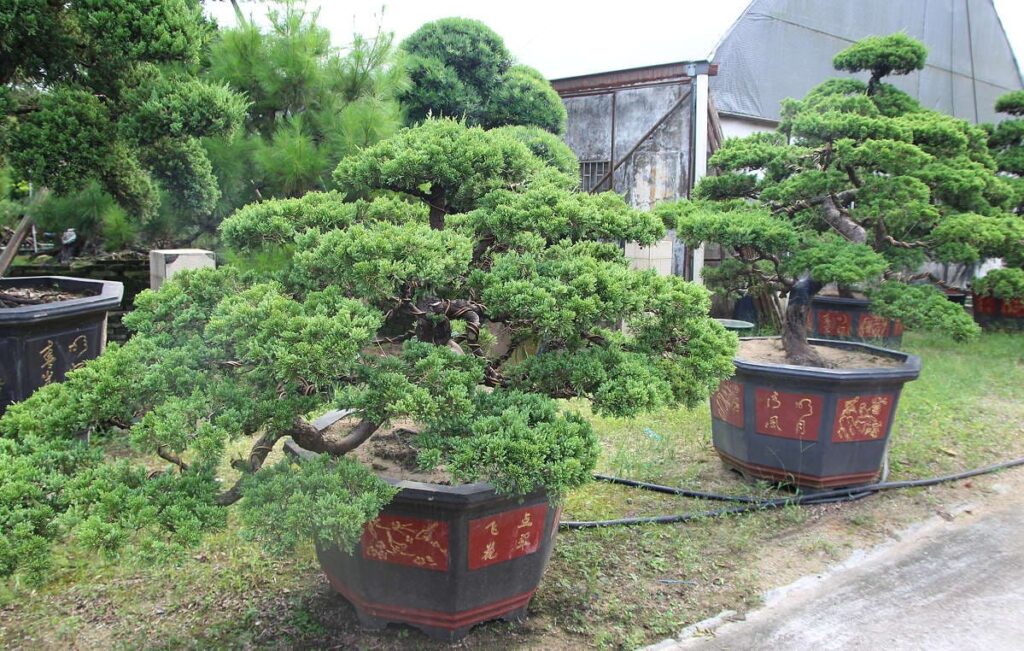
The Canary Islands juniper bonsai carries strong symbolism rooted in resilience, endurance, and survival. Native to exposed cliffs and volcanic landscapes, this species thrives where few trees can. As a bonsai, it represents the ability to withstand adversity while maintaining beauty and structure. Its twisted trunk lines often symbolise life’s challenges, shaped by forces beyond our control yet still standing firm.
In broader bonsai culture, junipers are traditionally associated with protection and longevity. The Canary Islands juniper bonsai, in particular, reflects strength against harsh environmental elements such as wind, drought, and rocky terrain. When styled with dramatic movement or deadwood features, it can symbolise perseverance through hardship and the passage of time.
The rugged bark and natural weathered appearance of a Canary Islands juniper bonsai also evoke themes of age and wisdom. In display settings, it is often seen as a tree of character rather than softness — a visual reminder that beauty can emerge from struggle. Its evergreen foliage further reinforces symbolism of continuity and endurance, remaining green and vibrant throughout the seasons.
For bonsai enthusiasts, cultivating a Canary Islands juniper bonsai is not only about horticulture. It is about shaping a living representation of strength, patience, and harmony with nature’s forces.
Companion Plants and Wildlife Attraction
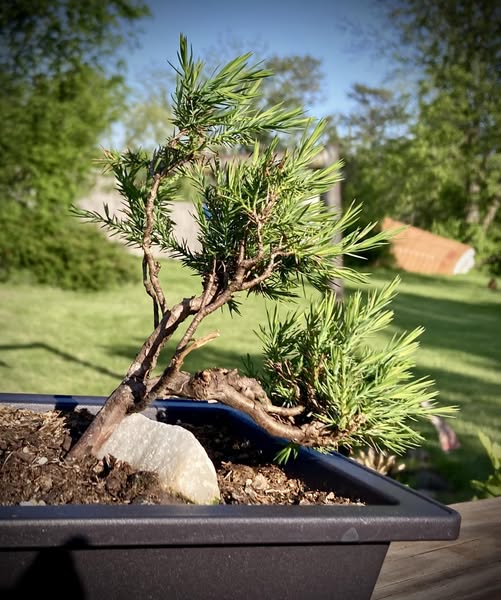
The Canary Islands juniper bonsai pairs beautifully with subtle companion planting that complements its rugged, coastal character. Because this species prefers strong light and well-draining soil, companion plants should tolerate similar conditions. When chosen carefully, moss, flowers, and small herbs can enhance the visual presentation of a Canary Islands juniper bonsai without competing for moisture or nutrients.
Companion planting in bonsai is primarily aesthetic, but it can also reflect the natural environment of the tree, reinforcing the story behind the display.
Moss
Moss can be used sparingly around a Canary Islands juniper bonsai to soften the soil surface and enhance visual age. Suitable moss varieties include:
- Cushion moss (Leucobryum glaucum) for raised, rounded texture
- Sheet moss (Hypnum cupressiforme) for a thin, natural ground cover
Because the Canary Islands juniper bonsai prefers well-draining soil and slightly drier conditions, moss should not be allowed to retain excessive moisture. Apply it selectively rather than covering the entire surface.
Flowers
Low-growing, drought-tolerant flowering plants complement the rugged appearance of a Canary Islands juniper bonsai. Suitable options include:
- Alpine dianthus for subtle seasonal colour
- Miniature gazania for bright, sun-loving blooms
- Small stonecrop varieties (Sedum) for hardy ground coverage
These plants thrive in sunny conditions and do not require heavy watering, making them compatible with the needs of the Canary Islands juniper bonsai.
Herbs
Small, sun-loving herbs can enhance a naturalistic display. Suitable companions include:
- Dwarf thyme (Thymus serpyllum)
- Miniature rosemary varieties
- Oregano in controlled, trimmed form
These herbs tolerate dry soil and strong sunlight, aligning well with the environmental preferences of the Canary Islands juniper bonsai.
Wildlife Attraction
While a Canary Islands juniper bonsai will not attract large wildlife in a traditional bonsai display setting, it can support small ecological interactions when grown outdoors.
Junipers in general may attract:
- Small pollinating insects during flowering
- Beneficial insects such as ladybirds
- Occasional birds if berries develop
If your Canary Islands juniper bonsai produces berry-like cones, these can attract birds in larger garden settings. However, in controlled bonsai environments, wildlife interaction remains limited.
Choosing appropriate companion plants enhances the aesthetic story of the Canary Islands juniper bonsai while maintaining compatibility with its sunlight and drainage requirements.
Care Summary and Practical Notes
The Canary Islands juniper bonsai thrives in strong sunlight, fast-draining soil, and slightly drier watering conditions. Its natural resilience makes it a rewarding species for growers who understand its preference for warmth and airflow. Overwatering and poor drainage are the most common causes of decline, so maintaining proper soil structure is essential.
This species responds well to thoughtful pruning and shaping, especially when its natural movement is respected rather than forced. Wiring should be monitored carefully to prevent bark damage, and repotting should be done conservatively to protect the root system. Regular feeding during active growth supports healthy foliage density without encouraging overly coarse extension.
Above all, the Canary Islands juniper bonsai is a tree of character. Its rugged trunk lines, textured bark, and evergreen foliage make it an expressive and enduring addition to any collection. With proper light, drainage, and balanced care, it will reward patience with strength, structure, and long-term vitality.