
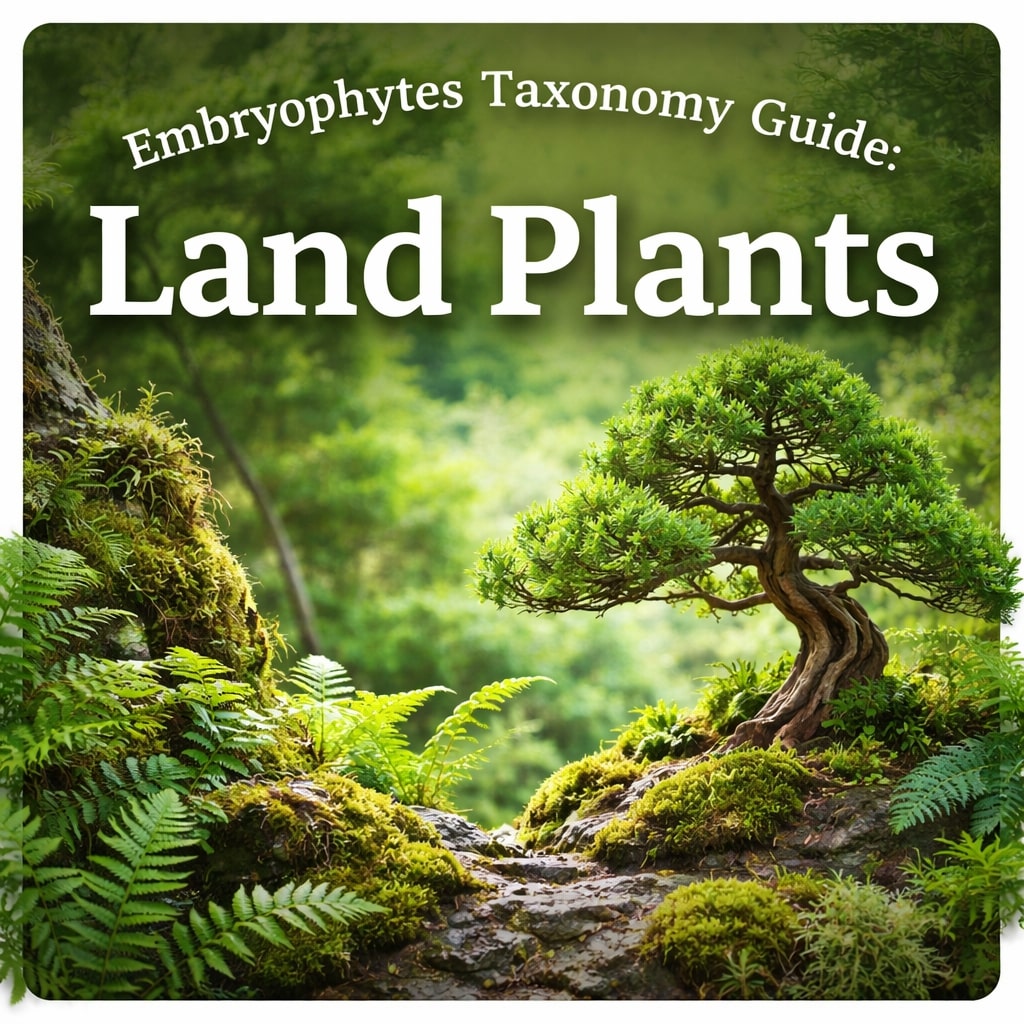
Embryophytes are the group of plants known as land plants, and they form the foundation of everything we grow, shape, and care for in bonsai. Long before species, styles, or techniques come into play, every bonsai tree belongs to this group that first adapted plant life to survive outside of water.
Understanding Embryophytes helps explain why trees can develop roots, trunks, leaves, and long life cycles in shallow containers. By looking at these land plants at a foundational level, bonsai growers gain clearer insight into how trees grow, respond to care, and thrive over time.
Table of Contents
Taxonomy
– Kingdom: Plantae (Plant Kingdom)
— Clade: Embryophytes (Land Plants)
What Are Embryophytes?
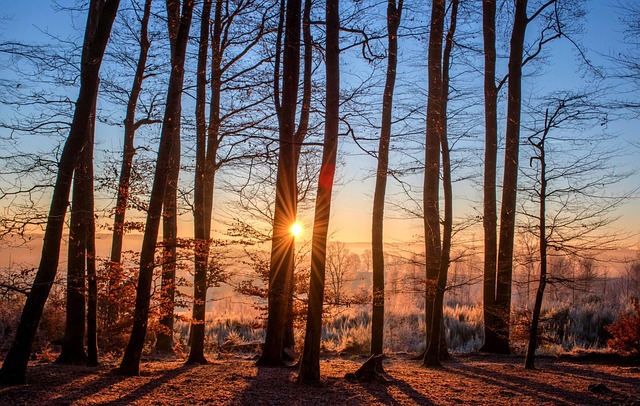
Embryophytes are plants that are adapted to live primarily on land. The term refers to all land plants, from simple mosses to complex trees, and it marks the point in plant evolution where life successfully moved out of water and onto solid ground.
What makes Embryophytes unique is how they reproduce and protect new life. Unlike algae, embryophytes retain and nourish the developing embryo within the tissues of the parent plant. This adaptation allowed plants to survive drying conditions, temperature changes, and direct sunlight. Over time, it led to the development of roots, stems, leaves, and long-lived plant structures.
For bonsai growers, Embryophytes matter because every bonsai tree belongs to this group. The ability of these plants to anchor themselves, transport water, and grow upright is rooted in their identity as land plants. Without the evolutionary step represented by Embryophytes, trees as we know them, and bonsai as an art form, would not exist.
Why Embryophytes Are Different From Algae
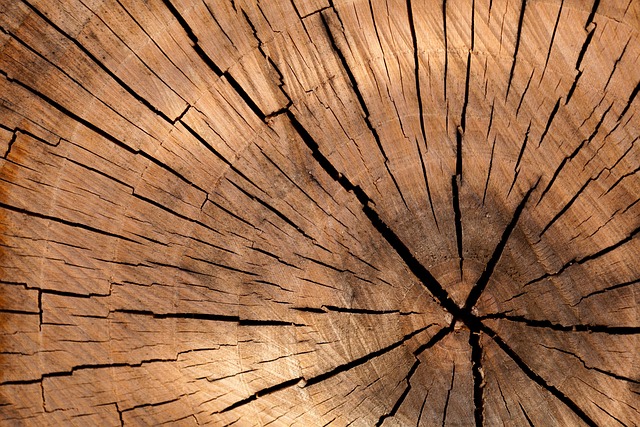
Embryophytes differ from algae because they are adapted for life on land rather than in water. While many algae rely on aquatic environments for support, reproduction, and nutrient movement, embryophytes evolved structures that allow them to survive exposure to air, sunlight, and changing weather conditions.
One of the key differences is how reproduction works. Embryophytes protect and nourish the developing embryo within the parent plant, rather than releasing a single fertilised cell into the environment. This protection greatly increases survival rates on land, where water is not always available. Algae, by contrast, generally depend on water for fertilisation and early development.
Structurally, embryophytes also differ from algae through the presence of specialised tissues. Cell walls, protective outer layers, and regulated gas exchange allow land plants to remain upright and manage water loss. For bonsai growers, this distinction matters because it explains why trees can develop woody trunks, stable roots, and long lifespans, features that algae simply cannot achieve.
The Embryophyte Life Cycle (Simplified)
The life cycle of Embryophytes may sound complex at first, but understanding it provides valuable insight into how land plants grow, reproduce, and persist over time. This life cycle explains why trees can live for decades or centuries, recover from pruning, and continually regenerate, all traits that are essential in bonsai cultivation.
At its core, the Embryophyte life cycle involves an alternation of generations, where two distinct phases take turns dominating the plant’s life. These phases are the gametophyte and the sporophyte.
Alternation of generations explained
Embryophytes alternate between a haploid phase and a diploid phase. The haploid phase, called the gametophyte, produces reproductive cells such as sperm and eggs. When these fuse, they form a diploid zygote, which develops into the sporophyte.
The sporophyte is the phase most people recognise as the plant itself. In trees and shrubs, this is the visible structure with roots, trunks, branches, and leaves. The sporophyte produces spores, which eventually grow into new gametophytes, continuing the cycle.
Gametophyte stage: the early role of reproduction
In Embryophytes, the gametophyte produces the reproductive cells needed for fertilisation. In simpler land plants such as mosses and liverworts, this stage is dominant and clearly visible. These plants rely heavily on moisture because sperm must travel through water to reach the egg.
In bonsai-relevant plants, the gametophyte stage is extremely reduced and often hidden. For seed plants, it exists as pollen grains and ovules. This reduction is one reason trees can thrive in drier environments and reproduce without constant water availability.
Sporophyte stage: the bonsai tree itself
The sporophyte stage is dominant in most Embryophytes used for bonsai. This stage produces spores or seeds and carries out photosynthesis, nutrient transport, and growth. It is also the stage that responds to pruning, wiring, repotting, and other bonsai techniques.
Because the sporophyte is diploid, it carries two sets of genetic information. This provides greater stability and resilience, allowing trees to recover from stress, injury, and environmental changes over long periods.
Protected embryo development
One of the defining traits of Embryophytes is the protection of the developing embryo. After fertilisation, the embryo remains within the tissues of the parent plant rather than being released into the environment immediately. During this time, it receives nutrients and protection.
This adaptation was critical for life on land. For bonsai growers, it explains why seeds are such reliable starting points for long-term cultivation. The early protection of the embryo contributes to stronger initial development and better survival rates.
Why the life cycle matters for bonsai
Understanding the Embryophyte life cycle helps explain why bonsai trees grow slowly, live long, and respond predictably to care. The dominance of the sporophyte stage means that energy is invested in structure, roots, and vascular systems rather than rapid reproduction.
This biological foundation is what allows bonsai artists to shape living trees over many years, confident that the plant’s life cycle supports regeneration, balance, and endurance.
Major Groups Within Embryophytes
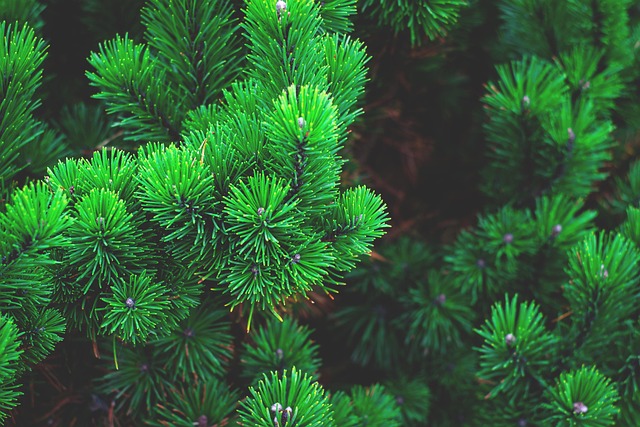
Embryophytes include all plants that have successfully adapted to life on land, but not all of them grow or function in the same way. Within this group are both simple plants that remain close to their ancestral forms and more complex plants that developed specialised tissues and structures. Understanding these major groups helps clarify why only certain Embryophytes are suitable for bonsai.
At a high level, Embryophytes are divided into non-vascular land plants and vascular land plants. This distinction is crucial for bonsai growers.
Non-vascular land plants
Non-vascular Embryophytes include mosses, liverworts, and hornworts. These plants lack true vascular tissue for transporting water and nutrients internally. Instead, they absorb moisture directly through their surfaces and remain dependent on consistently damp environments.
Because they do not form true roots, trunks, or woody stems, non-vascular land plants cannot be trained into bonsai trees. However, they play an important supporting role in bonsai displays. Moss, in particular, is widely used as a ground cover to enhance visual balance, indicate moisture levels, and create a sense of age and scale.
Vascular land plants
Vascular Embryophytes are plants that developed internal transport systems, allowing water, minerals, and sugars to move efficiently throughout the plant. This group includes all plants capable of forming upright growth, woody tissue, and long-lived structures.
All bonsai trees belong to this group. The presence of vascular systems allows these plants to develop trunks, branches, and roots that respond predictably to pruning, wiring, and seasonal care. This group leads directly into the next major classification level, where vascular plants are further defined and organised.
Understanding this division within Embryophytes sets the stage for exploring vascular plants in more detail, particularly the group that includes all traditional bonsai trees.
Embryophytes and Life on Land
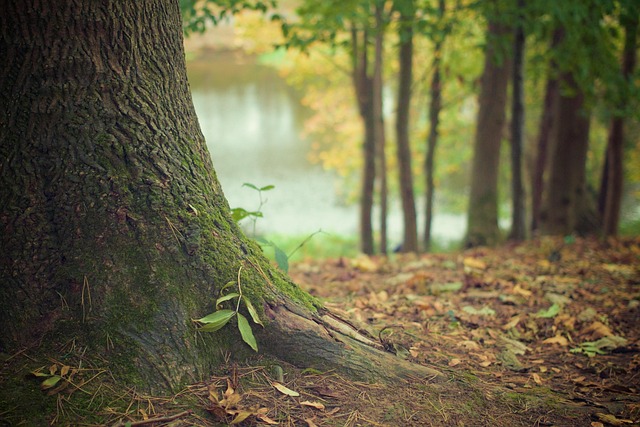
The defining success of Embryophytes lies in their ability to survive and thrive on land. Moving from an aquatic environment to a terrestrial one required a series of critical adaptations that allowed plants to cope with gravity, fluctuating temperatures, direct sunlight, and limited water availability. These adaptations form the biological foundation of all trees used in bonsai today.
One of the most important changes was the development of structures that reduce water loss. Embryophytes evolved protective outer layers and controlled gas exchange, allowing them to retain moisture while still performing photosynthesis. This made it possible for plants to live in open air rather than being permanently submerged or confined to wet surfaces.
Structural support and upright growth
Life on land required plants to support their own weight. Embryophytes developed stronger internal tissues that allowed them to grow upright rather than spreading flat along surfaces. Over time, this led to the formation of stems and, later, woody trunks capable of supporting branches and leaves.
For bonsai growers, this structural strength is essential. It is what allows trees to be trained vertically, angled, or cascaded while still maintaining balance and stability within a shallow pot.
Roots and anchoring in soil
Another key adaptation was the development of anchoring structures that allowed plants to access water and nutrients from the soil. Early Embryophytes began forming simple root-like systems, which later evolved into true roots in vascular plants.
In bonsai cultivation, this adaptation is especially important. Roots not only anchor the tree but also regulate water intake, nutrient absorption, and overall vigour. The ability to prune and manage roots is possible because of these early land-based adaptations.
Coping with environmental variation
Unlike aquatic environments, land habitats expose plants to changing seasons, temperature extremes, and periods of drought. Embryophytes evolved resilience mechanisms that allow them to slow growth, shed leaves, or enter dormancy when conditions are unfavourable.
These traits directly support bonsai practices. Seasonal leaf drop, controlled growth cycles, and recovery after pruning all trace back to the evolutionary steps Embryophytes took to survive on land.
Reproduction and Resilience in Embryophytes
Reproduction in Embryophytes is closely tied to their long-term resilience. The way land plants reproduce, protect new growth, and maintain genetic stability is a major reason they can survive environmental stress and persist for many generations. These traits are especially important in bonsai, where trees are expected to live long, stable lives under careful cultivation.
Unlike many aquatic plants, Embryophytes developed reproductive systems that do not rely entirely on free-standing water. This shift allowed land plants to spread into diverse environments and withstand changing conditions.
Sexual reproduction and genetic stability
Embryophytes reproduce sexually through specialised structures that produce and protect reproductive cells. This process involves meiosis, which reshuffles genetic material and helps repair DNA. As a result, offspring tend to be more resilient and adaptable to environmental stress.
For bonsai growers, this explains why seed-grown trees often display strong vigour and long-term stability. Sexual reproduction introduces variation, allowing plants to develop traits that support survival, recovery, and adaptation over time.
Protected embryo development
One of the defining features of Embryophytes is the protection of the developing embryo within the parent plant. Instead of releasing a single fertilised cell into the environment, the embryo remains sheltered and nourished during its earliest stages.
This protection greatly increases survival rates. In bonsai practice, it highlights why seeds are such a reliable starting point for cultivation. The early protection provided by the parent plant contributes to healthy root systems and balanced growth later in life.
Reduced dependence on water for reproduction
As Embryophytes evolved, many groups reduced their reliance on water for fertilisation. Seed plants, in particular, use pollen to transfer reproductive cells without the need for standing moisture.
This adaptation allows trees to reproduce across a wide range of climates. For bonsai, it explains why many species can thrive in controlled environments and why flowering and seed production can occur even in shallow containers.
Resilience through regeneration
Embryophytes are capable of regenerating tissues after damage. This ability is linked to their reproductive biology and cellular organisation. Buds, meristems, and dormant growth points allow plants to recover after pruning or injury.
This regenerative capacity is what makes bonsai possible. Without it, repeated shaping, cutting, and training would weaken or kill the plant. Embryophytes combine reproductive strength with resilience, creating plants that can endure both natural stress and artistic intervention over time.
Embryophytes as the Foundation of Bonsai Taxonomy
Embryophytes form the starting point for understanding bonsai taxonomy. Before a tree is identified by family, genus, or species, it is first recognised as a land plant with the structural and reproductive traits needed to survive outside of water. This foundational classification explains why certain plants can become bonsai while others cannot.
Bonsai relies on plants that can develop roots, stems, leaves, and long-lived growth structures. These characteristics all originate at the Embryophyte level. By grouping plants according to these shared traits, bonsai taxonomy begins with the broadest and most essential category.
Why taxonomy matters in bonsai
Taxonomy is not just a naming system. It helps growers predict how a plant will behave, respond to care, and develop over time. Understanding where a tree sits within Embryophytes provides early clues about growth patterns, resilience, and environmental needs.
For example, knowing that a plant belongs to the land plant group immediately rules out species that require permanent water or lack structural support. This knowledge streamlines plant selection and prevents mismatched expectations in bonsai training.
From Embryophytes to tree-specific groups
Embryophytes include both simple and complex plants, but only certain branches of this group lead to trees suitable for bonsai. As taxonomy becomes more specific, plants are further divided based on vascular systems, leaf structure, and reproductive strategies.
This progression allows bonsai growers to move logically from broad biological principles to practical cultivation techniques. Embryophytes set the framework, while later classifications refine how a particular tree should be grown, styled, and maintained.
Building knowledge for long-term cultivation
Understanding Embryophytes as the foundation of bonsai taxonomy encourages a deeper connection between science and practice. It reminds growers that bonsai is not just an artistic pursuit but a collaboration with living organisms shaped by millions of years of adaptation.
By starting taxonomy at the Embryophyte level, bonsai growers build a strong knowledge base that supports healthier trees, better care decisions, and more sustainable long-term results.
Example Land Plants in Embryophytes
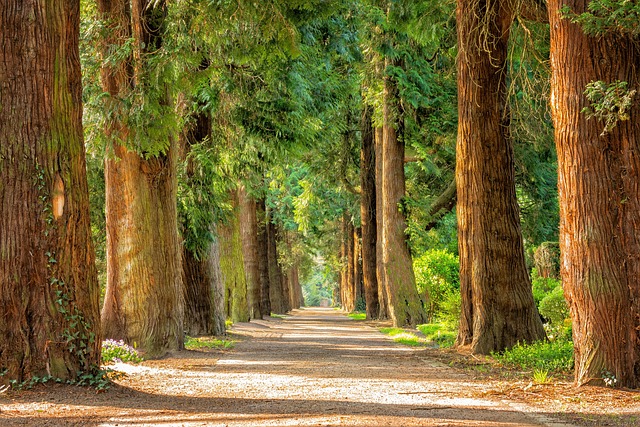
Embryophytes include an enormous range of land plants, from small ground-hugging species to large, long-lived trees. Seeing real examples helps clarify how broad this group is and why it forms the biological foundation for bonsai.
At this level of taxonomy, the focus is not on species detail but on recognising which types of land plants fall within Embryophytes and how they relate to bonsai practice.
Mosses, liverworts, and hornworts
These are the simplest living Embryophytes and are often the first plants people encounter growing on soil, rocks, and tree bark. They lack true roots and complex internal transport systems, relying instead on surface moisture and humid conditions.
In bonsai, these plants are not used as trees but play an important supporting role. Moss is commonly used as ground cover in bonsai pots to enhance aesthetics, retain moisture, and signal soil health. Their presence reinforces the land plant identity of bonsai displays without serving as the main subject.
Ferns and fern allies
Ferns represent a more complex group within Embryophytes and bridge the gap between simple land plants and woody trees. They have roots, stems, and leaves, but reproduce using spores rather than seeds.
While most ferns are not used as traditional bonsai trees, they are sometimes grown in bonsai-style containers or used in accent plantings. Their inclusion highlights how Embryophytes gradually developed more advanced structures suitable for life on land.
Conifers and broadleaf trees
Conifers and flowering trees are the Embryophytes most closely associated with bonsai. Pines, junipers, maples, ficus, and elms all belong to this group and represent the most advanced land plant adaptations.
These plants combine protected reproduction, strong structural growth, and efficient internal transport systems. Their ability to respond to pruning, wiring, and long-term care is rooted in their identity as Embryophytes, making them ideal subjects for bonsai cultivation.
Staying on Land!
Embryophytes represent the moment plant life committed to life on land, and every bonsai tree carries that legacy. The ability to grow upright, protect new growth, manage water loss, and endure changing conditions all stem from the adaptations that define land plants. Without these traits, the art of bonsai would not be possible.
By understanding Embryophytes as the foundation of bonsai taxonomy, growers gain more than scientific knowledge. They gain context for why trees behave the way they do, why certain care techniques work, and why patience is rewarded over time. Bonsai is, at its core, a partnership with land plants that learned not just to survive on land, but to stay there.