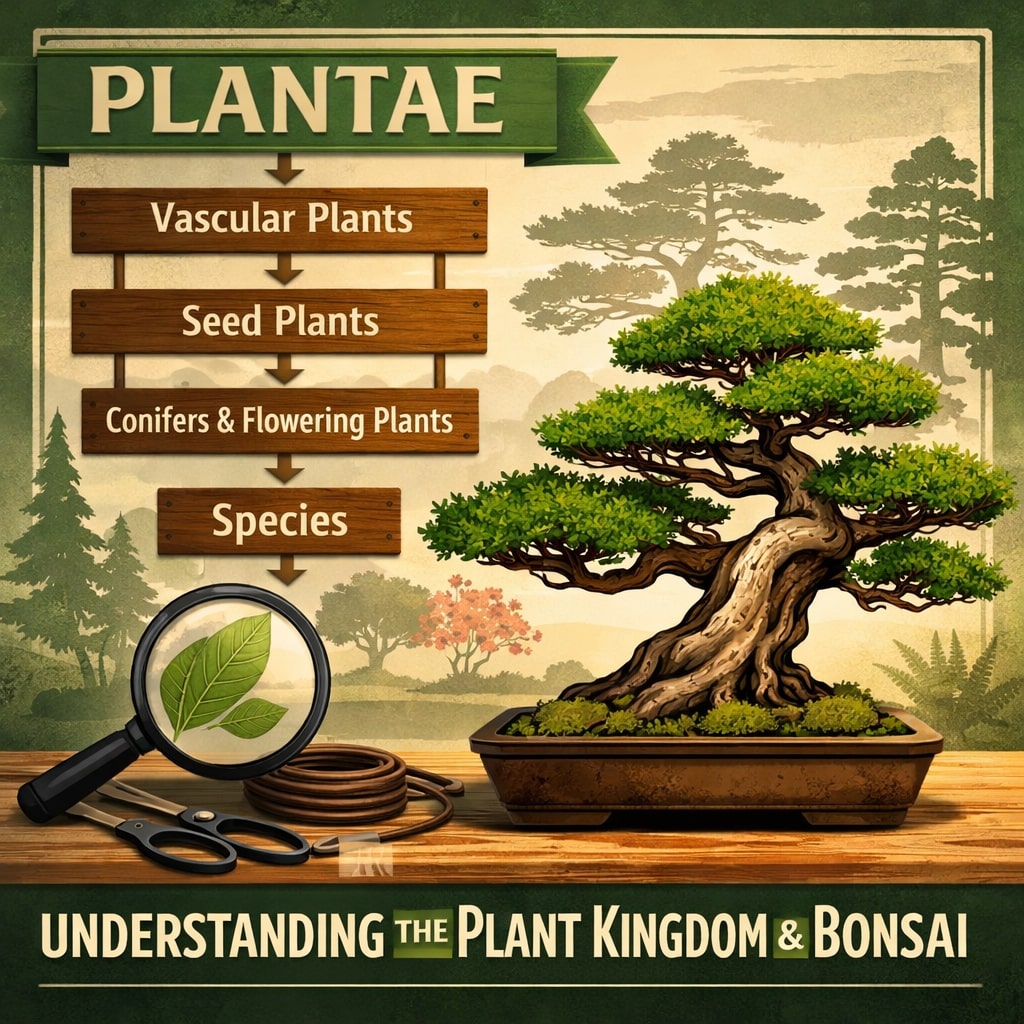
Bonsai may be practised as an art form, but at its core it is grounded firmly in biology. Every bonsai tree belongs to Plantae, the scientific grouping that includes all true plants, from microscopic algae to the tallest trees on Earth. Understanding this classification is essential, because bonsai does not create miniature trees. It works with living organisms that already exist within the plant kingdom, shaping and guiding their natural growth over time.
Before choosing a species like Juniper, Pine, or Maple, it is important to understand where bonsai trees sit within the plant kingdom and what defines them as members of Plantae. This foundation explains why only certain plants are suitable for bonsai, why woody growth matters, and why techniques such as pruning, wiring, and root reduction work. By starting at the top of botanical classification, bonsai artists gain a deeper understanding of the living systems they are working with, long before moving into families, genera, and individual species.
Table of Contents
What Is Plantae in Botanical Classification?
Plantae is the formal scientific name given to one of the major kingdoms of life in biological classification. Organisms placed within plants are eukaryotic, meaning their cells contain a nucleus, and most are capable of photosynthesis using chlorophyll.
This process allows them to convert sunlight, carbon dioxide, and water into energy, forming the foundation of nearly all terrestrial ecosystems. Bonsai trees, regardless of species or style, exist within Plantae and share the same biological rules as full-sized trees growing in nature.
The plant kingdom, however, is the broader conceptual framework that helps explain how plants fit into both historical and modern biology. In earlier classifications, the plant kingdom included many organisms that are now excluded, such as fungi and certain algae. Modern definitions are more precise, focusing on green plants and their close relatives.
For bonsai practitioners, understanding the plant kingdom clarifies an important truth: bonsai trees are not special biological forms. They are ordinary members of the plant kingdom that are cultivated in a controlled way, following the same growth patterns, limitations, and life processes as any other plant.
Understanding the Plant Kingdom and How Bonsai Fits Within It
The plant kingdom is the biological grouping used to describe all organisms that share the core characteristics of plants, including photosynthesis, cell walls made primarily of cellulose, and growth patterns rooted in light, water, and nutrients. Modern biology defines the plant kingdom more narrowly than in the past, focusing on green plants and land plants rather than including fungi or bacteria. This refined definition helps explain why trees, shrubs, mosses, and ferns all belong to the same overarching group, despite their vast differences in size and structure.
Within this framework, Plantae provides the scientific foundation that explains how bonsai works. Bonsai trees are not genetically altered or biologically unique. They remain full members of Plantae, governed by the same cellular processes, growth responses, and survival mechanisms as trees growing freely in the wild. Bonsai techniques simply work within these natural rules, guiding growth through pruning, root restriction, and shaping rather than changing the plant’s fundamental biology. Understanding this relationship helps bonsai artists respect natural limits while working creatively within them.
From Algae to Trees: How Plantae Evolved Into Bonsai Candidates
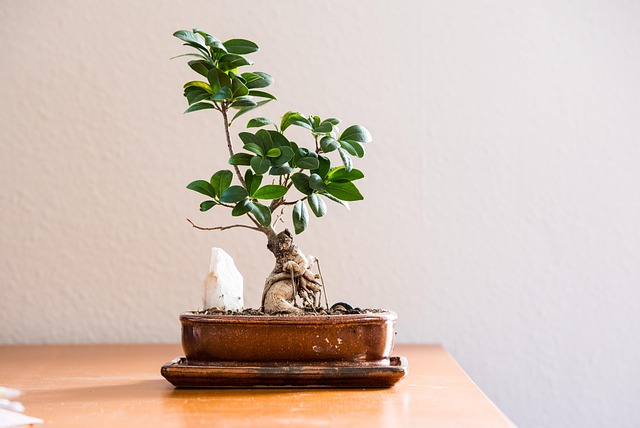
The earliest members of plants evolved in water, long before trees or even land plants existed. These early plant forms were simple, photosynthetic organisms similar to modern green algae. Over hundreds of millions of years, some of these organisms adapted to life on land, developing structures such as stems, roots, and eventually woody tissue. This evolutionary shift allowed plants to grow taller, transport water efficiently, and survive outside aquatic environments. Without this progression, trees as we know them, and therefore bonsai, would not exist.
Within the plant kingdom, only a specific branch of this evolutionary journey produced plants suitable for bonsai cultivation. Woody, vascular plants developed the ability to thicken their stems, respond predictably to pruning, and survive long lifespans. These traits are essential for bonsai, where trees are shaped gradually over decades. Herbaceous plants and many non-woody species lack these characteristics, which is why bonsai candidates are drawn almost exclusively from tree and shrub species that emerged later in plant kingdom evolution.
The Plant Kingdom Structure Bonsai Artists Work Within
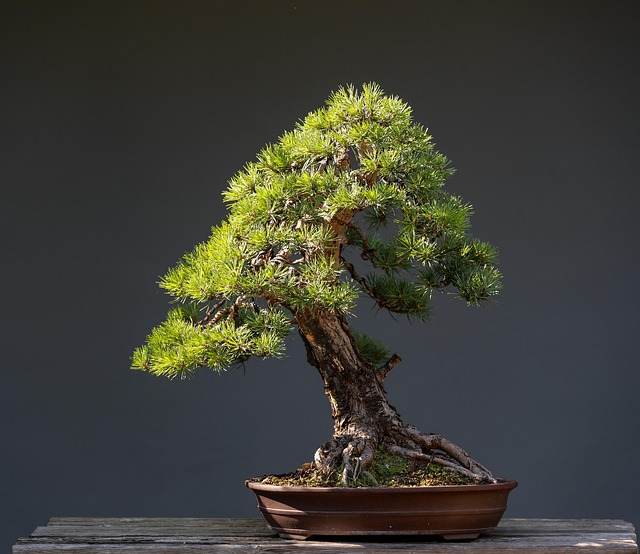
The plant kingdom is organised into increasingly specific groupings that help scientists and growers understand how plants are related to one another. At a broad level, plants are divided into non-vascular and vascular groups. Non-vascular plants, such as mosses and liverworts, lack true roots, stems, and vascular tissue. While fascinating biologically, these plants are not suitable for bonsai because they do not form woody trunks or branches that can be shaped over time.
Within Plantae, bonsai artists work almost exclusively with vascular plants. These plants possess xylem and phloem, specialised tissues that transport water, nutrients, and sugars throughout the plant. This internal structure allows trees and shrubs to survive pruning, root reduction, and long-term container growth. Understanding where a bonsai tree sits helps artists recognise why certain species respond well to training, while others struggle or fail when subjected to traditional bonsai techniques.
Seed Plants, Woody Growth, and Why They Matter in Plantae
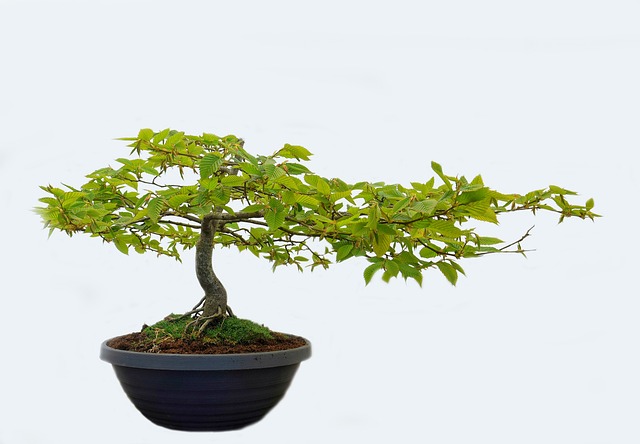
Within plants, seed plants represent a major evolutionary advantage that directly supports bonsai cultivation. Seed plants, known scientifically as spermatophytes, reproduce through seeds rather than spores. This group includes gymnosperms and flowering plants, both of which are capable of developing strong, persistent structures over long periods. The presence of seeds allows for reliable propagation, predictable growth patterns, and long-term survival, all of which are essential traits for trees trained as bonsai.
From the perspective of the plant kingdom, woody growth is what truly makes bonsai possible. Woody plants produce secondary growth, allowing trunks and branches to thicken year after year. This slow accumulation of wood creates taper, texture, and strength, enabling techniques such as carving, wiring, and heavy pruning. Plants that lack woody growth may survive briefly in containers, but they cannot develop the aged appearance or structural resilience that bonsai artists rely on when shaping trees over decades.
How the Plant Kingdom Defines Bonsai Tree Characteristics
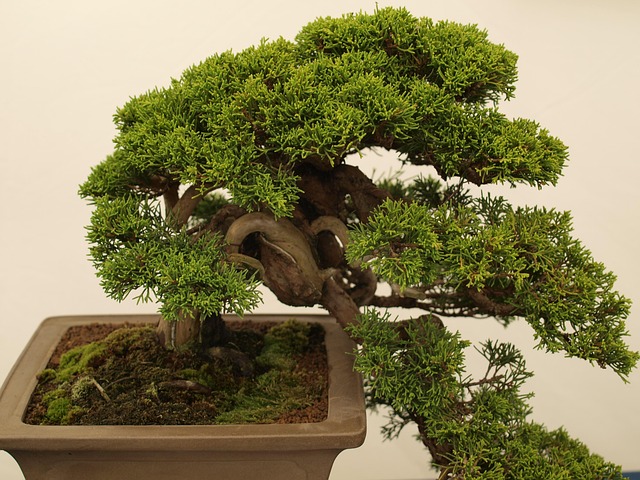
The plant kingdom establishes the biological traits that make bonsai techniques possible. Features such as true roots, stems, leaves, and vascular tissue allow trees to transport water, nutrients, and sugars efficiently, even when grown in shallow containers. These characteristics explain why bonsai trees can survive root pruning, canopy reduction, and long-term confinement while continuing to grow and respond to training.
Within plants, these shared traits also define the natural limits of bonsai design. Trees can only bend, heal, and regenerate according to their biology. Understanding how plants govern growth patterns, wound response, and energy storage helps bonsai artists work with the tree rather than against it. This biological awareness is what separates sustainable bonsai practice from techniques that weaken or shorten a tree’s lifespan.
Photosynthesis, Growth, and Recovery in Plantae Bonsai Trees
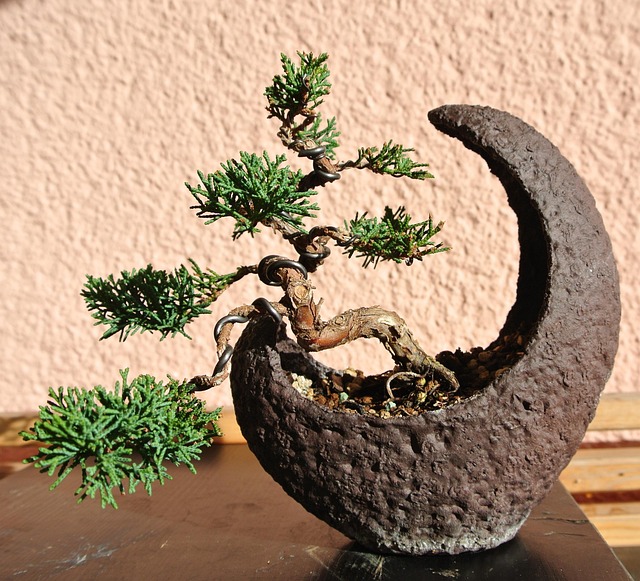
Within Plantae, photosynthesis is the fundamental process that powers all growth and recovery. Leaves capture light energy using chlorophyll and convert it into sugars, which fuel root development, branch extension, and wound healing. For bonsai trees, this process is especially important because they are grown in restricted soil volumes. A healthy balance between foliage mass and root capacity ensures that the tree can produce enough energy to sustain itself after pruning, wiring, or repotting.
From the perspective of the plant kingdom, growth and recovery follow the same biological rules whether a tree is growing freely in nature or trained as bonsai. When a branch is cut, the plant redirects energy to seal the wound and activate dormant buds. When roots are reduced, the plant adjusts leaf growth to restore balance. Understanding how the plant kingdom governs these responses allows bonsai artists to time their work carefully, supporting recovery rather than forcing growth beyond what the tree can safely sustain.
Reproduction in the Plant Kingdom and Bonsai Propagation
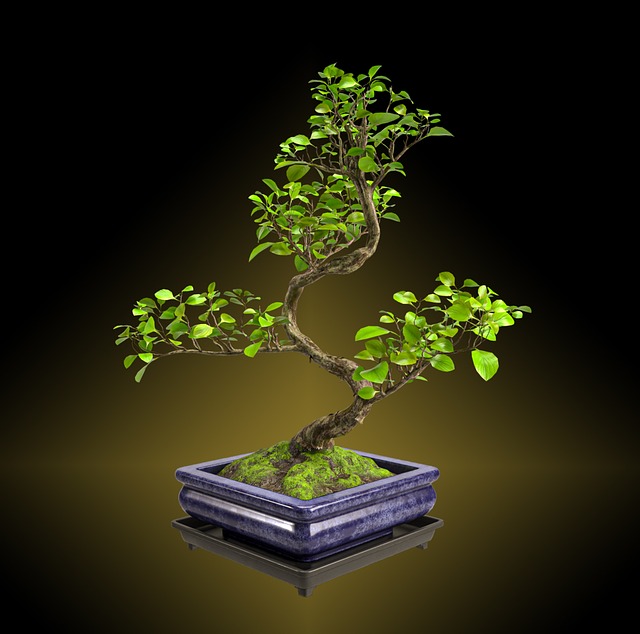
The plant kingdom includes a wide range of reproductive strategies, and understanding these is essential for successful bonsai cultivation. Plants can reproduce sexually through seeds or asexually through methods such as cuttings, layering, and division. In nature, these mechanisms ensure survival and genetic diversity, but in bonsai they become practical tools for creating new trees and preserving desirable traits. Seed-grown bonsai offer long-term development potential, while vegetative methods allow artists to replicate specific characteristics reliably.
Within plants, these reproductive abilities are governed by predictable biological processes that bonsai artists learn to work with rather than override. Cuttings rely on a plant’s natural ability to generate new roots, while air layering exploits the movement of sugars and hormones within the plant. Understanding how plants regulates growth, healing, and regeneration allows bonsai practitioners to propagate trees effectively while maintaining health and structural integrity.
From the Plant Kingdom to Species: Where Bonsai Gets Specific
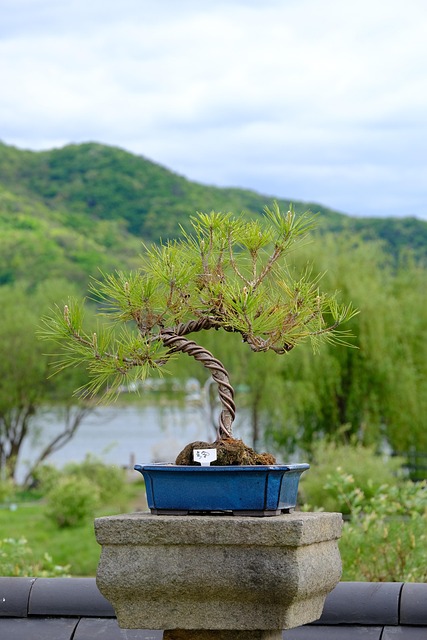
The plant kingdom provides the broad biological framework for understanding all plants, but bonsai practice becomes meaningful only when classification narrows. As we move from the plant kingdom into more specific groupings such as divisions, families, genera, and finally species, the plants we work with become increasingly defined in their growth habits, strengths, and limitations. This progression explains why bonsai does not work with “plants in general,” but with carefully selected trees and shrubs that share predictable traits.
Within plants, this narrowing process is what allows bonsai artists to make informed choices. Knowing that a tree belongs to a specific group, such as conifers or flowering plants, immediately reveals information about leaf type, growth rate, seasonal behaviour, and response to pruning. At the species level, these characteristics become even clearer. This is where bonsai truly gets specific, moving from broad biological understanding into practical application. From here, the path naturally leads toward individual bonsai subjects, such as Juniper, where classification meets hands-on cultivation and long-term design.
Why Not All Plantae Species Can Become Bonsai
Although plants include an enormous diversity of life forms, only a small portion of these species are suitable for bonsai cultivation. Many plants are herbaceous, meaning they lack woody tissue and complete their life cycles quickly. These plants may grow rapidly, flower, and die back within a single season, making them unsuitable for long-term shaping, trunk development, or structural training.
From the perspective of the plant kingdom, bonsai candidates must possess specific biological traits. Woody growth, predictable branching, the ability to tolerate pruning, and a long lifespan are essential. Plants that rely on soft stems, underground storage organs, or rapid seasonal growth cannot develop the aged appearance or structural stability that bonsai requires. Understanding these limitations within the plant kingdom helps bonsai artists choose species that can thrive in containers and respond positively to decades of careful training.
Understanding Plantae Before Choosing a Bonsai Tree
Understanding plants provides bonsai artists with a scientific foundation that goes far beyond aesthetics or technique. By recognising bonsai trees as full members of plants, governed by the same biological rules as trees in nature, practitioners gain clarity on why certain methods work, why others fail, and why patience is essential. Bonsai is not about forcing plants into miniature forms, but about guiding natural growth within biological limits.
Viewing bonsai through the lens of this kingdom helps refine decision-making from the very beginning. It explains why only specific woody, vascular plants are suitable, why long lifespans matter, and why classification leads naturally toward families, genera, and species. With this understanding in place, choosing a bonsai tree becomes an informed process rather than trial and error. From here, moving into specific groups such as conifers and individual species like Juniper becomes a logical next step, grounded in both biology and bonsai practice.