
Repotting is one of the most important maintenance practices in bonsai cultivation, especially for species in the Juniperus genus. Proper juniper bonsai repotting ensures that the tree maintains healthy root growth, receives fresh nutrients from new soil, and continues developing into a balanced and vigorous bonsai specimen.
Junipers are resilient trees that respond well to bonsai techniques, but their root systems still require periodic maintenance. Over time, bonsai soil breaks down and compacts, reducing drainage and oxygen availability for the roots. Repotting replaces old soil with fresh, well-draining bonsai substrate that supports healthy growth.
For bonsai enthusiasts growing junipers in containers, understanding when and how to repot is essential. When performed correctly, repotting strengthens the tree, promotes fine root development, and prepares the bonsai for another season of healthy growth.
When to repot a juniper bonsai
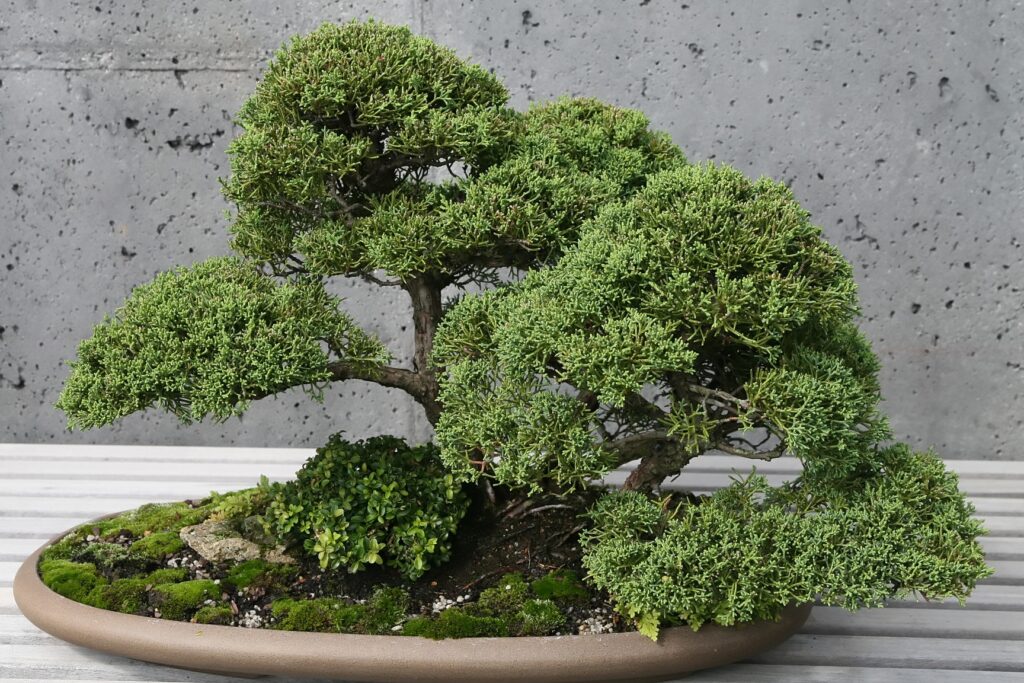
Timing plays a critical role in successful juniper bonsai repotting. The best period for repotting most juniper species is early spring, just before the tree enters its main growth phase.
During this stage, the tree begins to awaken from winter dormancy and is able to recover quickly from root work. Repotting at this time allows the tree to produce new feeder roots as the growing season begins.
If repotting is performed too late in the growing season, the tree may struggle to recover from root pruning. In colder climates, late autumn repotting can expose freshly pruned roots to frost damage.
For many juniper bonsai trees, repotting is typically required every two to four years depending on the age of the tree and the growth rate of its root system.
Signs your juniper bonsai needs repotting
Junipers do not always show obvious signs when they require repotting, but several indicators can suggest that the root system has outgrown the container.
One of the most common signs is poor water drainage. When soil begins to break down and compact, water may take longer to pass through the pot, leading to waterlogged conditions that stress the roots.
Another sign is when roots begin circling around the inside of the pot. This often happens when the root mass becomes dense and has nowhere else to grow.
Slow growth, reduced vigour, or difficulty watering the tree can also signal that the bonsai would benefit from fresh soil and root pruning.
Basic steps for juniper bonsai repotting
Repotting a bonsai should always be done carefully to avoid damaging the delicate root system. The goal is to refresh the soil and prune excess roots without shocking the tree.
Key steps in juniper bonsai repotting include:
- Removing the tree carefully from the pot
- Gently loosening the root ball with a root rake or chopsticks
- Pruning overly long or circling roots
- Removing old compacted soil
- Placing the tree in fresh well-draining bonsai soil
- Securing the tree firmly in the container
After juniper bonsai repotting, the tree should be watered thoroughly and placed in a sheltered location for a short recovery period.
Proper aftercare helps reduce stress and allows the tree to develop new feeder roots in the fresh substrate.
Soil considerations for juniper bonsai
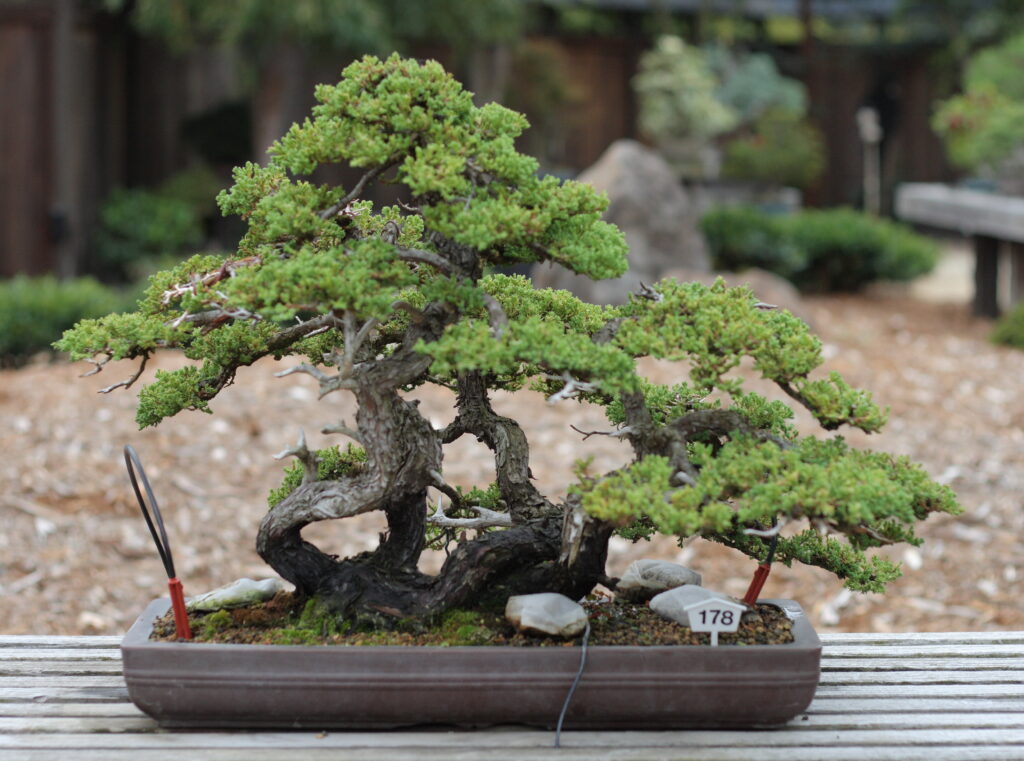
Juniper bonsai repotting requires soil that provides excellent drainage and aeration. Poor soil mixes can quickly lead to root rot or weak root development.
A typical juniper bonsai soil mix often includes components such as akadama, pumice, and lava rock. These materials create a structure that allows water to pass through easily while still retaining enough moisture for healthy growth.
Different juniper species may have slightly different preferences, so growers should always consider the specific needs of the species they are cultivating.
You can explore our Juniper bonsai species care sheets to learn more about species-specific requirements, including watering, fertilising, and light conditions.
Keeping your juniper bonsai healthy for years
Successful bonsai cultivation depends on maintaining the balance between root health and foliage growth. Repotting plays a major role in preserving that balance.
By performing juniper bonsai repotting at the correct time and using proper soil mixes, growers can ensure that their trees continue to develop strong root systems and compact growth.
With consistent care, junipers can live for many decades as bonsai trees, becoming living works of art that reflect years of careful cultivation.