
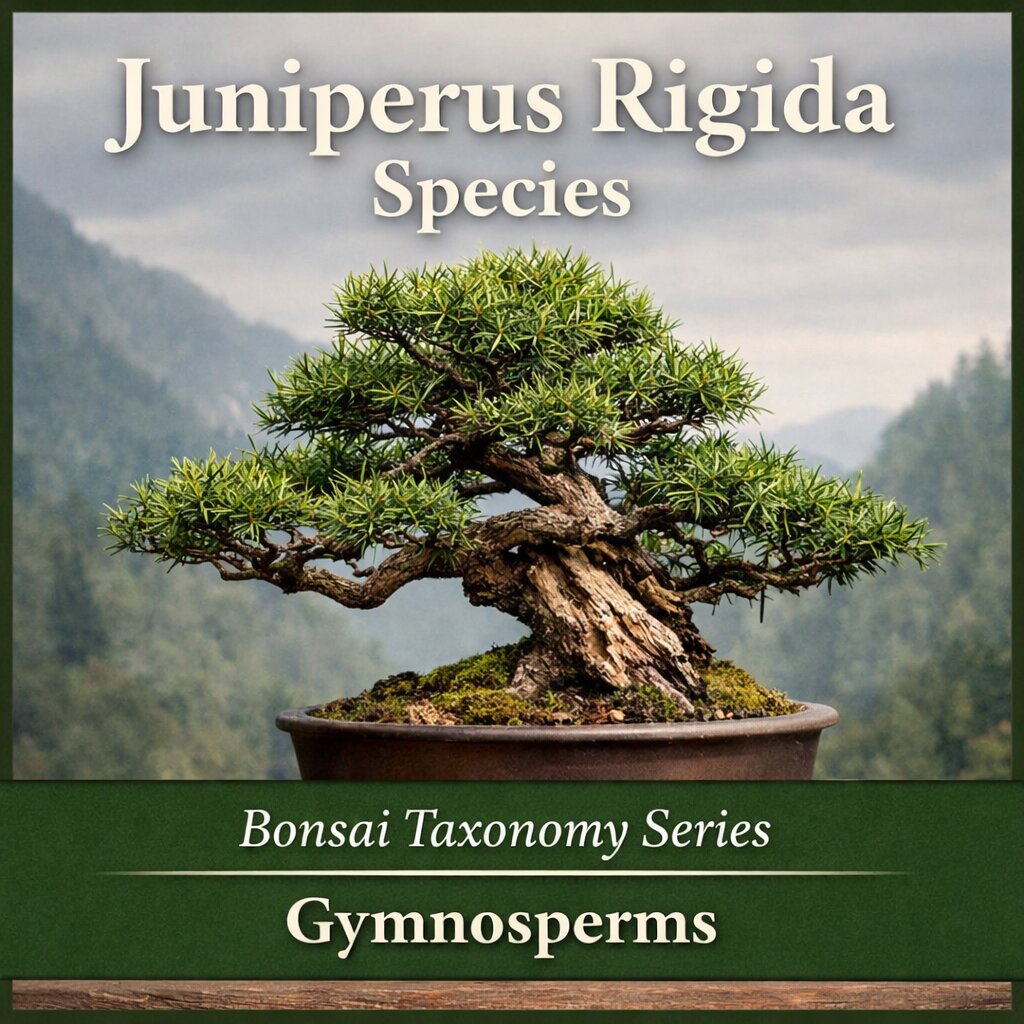
Juniperus rigida is a distinctive evergreen conifer species native to East Asia, recognised for its rigid, needle-like foliage and its long history of cultural, ecological, and horticultural significance. Commonly known as the temple juniper or needle juniper, this species occupies a unique position within the Juniperus genus, sharing close evolutionary relationships with other needle-leaved junipers while maintaining clearly defined morphological traits.
This taxonomy guide explores Juniperus rigida from a botanical and scientific perspective, focusing on its classification, physical characteristics, reproductive biology, natural habitat, and recognised infraspecific variation.
By examining the species in its native ecological context, this article provides a structured foundation for understanding how Juniperus rigida fits into the broader juniper lineage and why it has become an important species in both horticulture and bonsai traditions.
Table of Contents
Taxonomy
– Kingdom: Plantae (Plant Kingdom)
— Clade: Embryophytes (Land Plants)
— Clade: Polysporangiophytes (Multiple Sporangia)
—- Clade: Tracheophytes (Vascular Plants)
—– Superdivision: Spermatophytes (Seed Plants)
—— Clade: Gymnospermae (Naked Seeds)
——- Division: Pinophyta (Conifers)
——– Class: Pinopsida (Living Conifers)
——— Subclass: Cupressidae (Evergreen Conifers)
———- Order: Cupressales (Cypress)
———– Family: Cupressaceae (Cypress)
———— Subfamily: Cupressoideae (Cypress)
————- Genus: Juniperus (Juniper)
————– Section: Juniperus (Common Junipers)
————— Subsection: Juniperus (Evergreen Junipers)
—————- Species: Juniperus rigida (Temple Juniper)
What is Juniperus rigida?
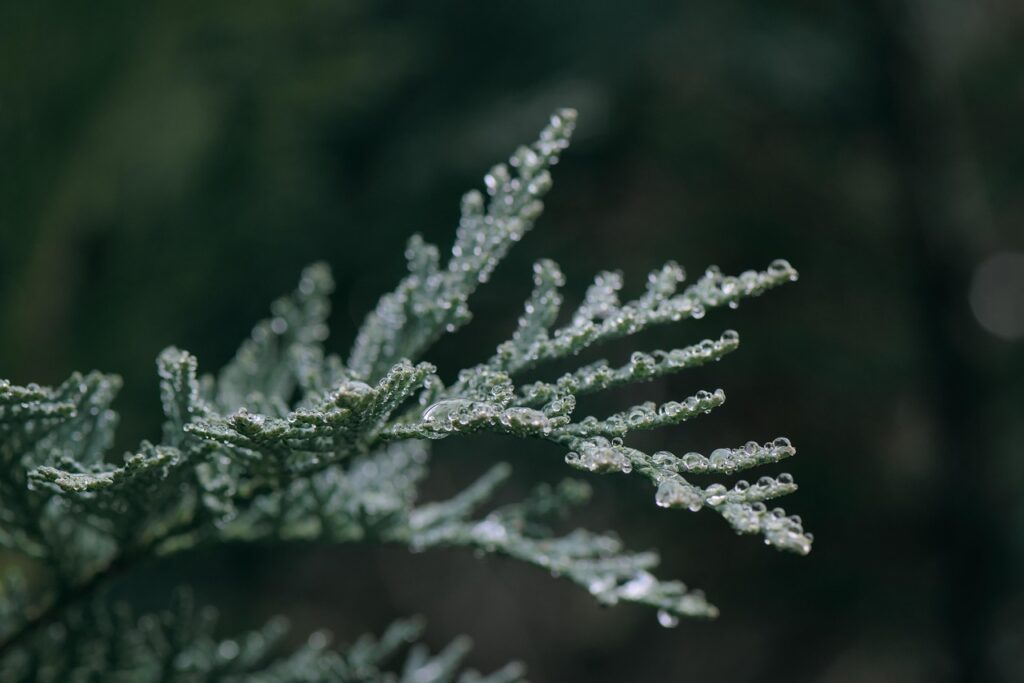
Juniperus rigida is an evergreen conifer species belonging to the genus Juniperus within the cypress family. It is commonly known as the temple juniper or needle juniper, names that reflect both its rigid, sharply pointed foliage and its long association with cultural landscapes in East Asia.
Botanically, Juniperus rigida is defined by its needle-leaved growth form, a trait shared with a smaller group of junipers adapted to harsher, more exposed environments. Unlike scale-leaved junipers, this species retains stiff juvenile-type needles throughout its life, giving it a coarse texture and strong visual character. These needles, combined with its often irregular branching and weathered bark, make it immediately recognisable within the genus.
In its natural context, Juniperus rigida functions as a hardy, long-lived species capable of surviving in dry, rocky, and nutrient-poor soils. Its resilience, slow growth, and distinctive structure have contributed to its use in temple plantings, ornamental landscapes, and bonsai, where its natural form closely aligns with traditional aesthetic values.
Taxonomic classification of Juniperus rigida
Juniperus rigida is a coniferous species classified within the cypress family, a large and ancient group of gymnosperms characterised by resinous wood, evergreen foliage, and seed-bearing cones rather than flowers. Within this family, the genus Juniperus is notable for its wide ecological tolerance and its division into needle-leaved and scale-leaved species, with Juniperus rigida firmly belonging to the needle-leaved group.
Taxonomically, Juniperus rigida is placed among the true junipers that retain rigid, awl-shaped needles throughout their lifespan rather than transitioning to scale foliage with maturity. This trait reflects both its evolutionary lineage and its adaptation to exposed, drought-prone environments. The species is closely related to Juniperus communis and Juniperus conferta, sharing similarities in needle structure and cone development, though each occupies a distinct ecological and geographical niche.
The accepted taxonomic placement of Juniperus rigida recognises it as a distinct species rather than a variety of another juniper, despite historical debate within botanical literature. Its consistent morphological traits, stable native range, and reproductive characteristics support its status as a clearly defined species within the broader juniper lineage.
Botanical description and identifying characteristics
Juniperus rigida is a needle-leaved evergreen conifer with a strong, resilient form shaped by its adaptation to exposed and often unforgiving environments. Its rigid foliage, irregular branching, and textured bark give the species a distinctly rugged appearance, making it one of the more easily recognisable needle junipers within the genus.
From a botanical perspective, Juniperus rigida is defined by a combination of persistent juvenile foliage, dioecious reproduction, and berry-like seed cones. These characteristics not only distinguish it from scale-leaved junipers, but also help separate it from closely related needle-leaved species.
Overall form and branching structure
Juniperus rigida typically develops as a large shrub or small tree with a loose, open growth habit. Branching is often irregular and asymmetrical, especially in mature specimens, with branchlets that may appear slightly pendulous or wind-shaped in exposed locations.
The trunk is usually short and sturdy, supporting multiple primary branches rather than a single dominant leader. This growth pattern contributes to the species’ naturally aged appearance, even in relatively young plants.
Bark texture and colour
The bark of Juniperus rigida is thin and fibrous, initially reddish-brown in younger specimens. As the plant matures, the bark becomes greyer and begins to peel or flake in narrow strips, revealing layered textures beneath.
This exfoliating bark is a key identifying feature in older trees and plays a role in protecting the trunk from temperature extremes and moisture loss in dry habitats.
Needle foliage characteristics
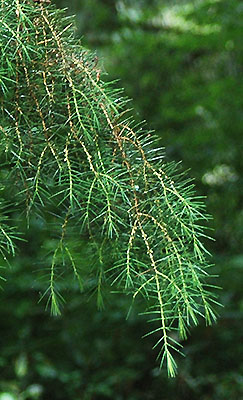
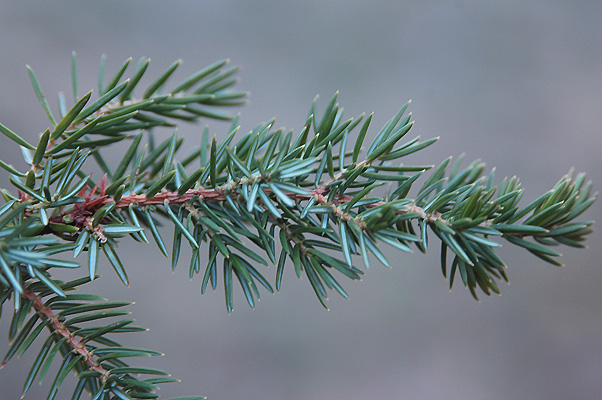
Foliage is needle-like, rigid, and sharply pointed, growing in whorls of three along the stems. Each needle is relatively short and stiff, contributing to the species name rigida, which refers directly to this hardened structure.
The needles are typically bright to deep green, sometimes with a yellowish hue, and feature a single narrow white stomatal band along the inner surface. This stomatal band is an important diagnostic trait when distinguishing Juniperus rigida from similar needle-leaved junipers.
Cone and reproductive features
Juniperus rigida is predominantly dioecious, meaning male and female reproductive structures occur on separate plants. Male plants produce small, yellow pollen cones that release pollen in spring, while female plants develop fleshy, berry-like seed cones.
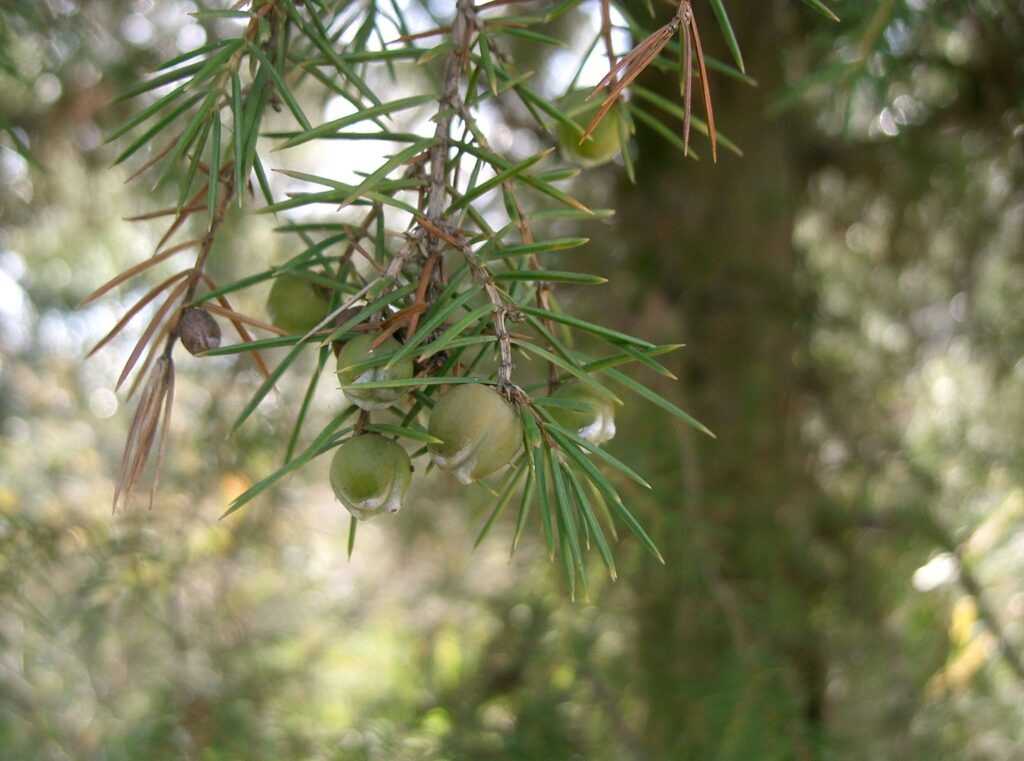
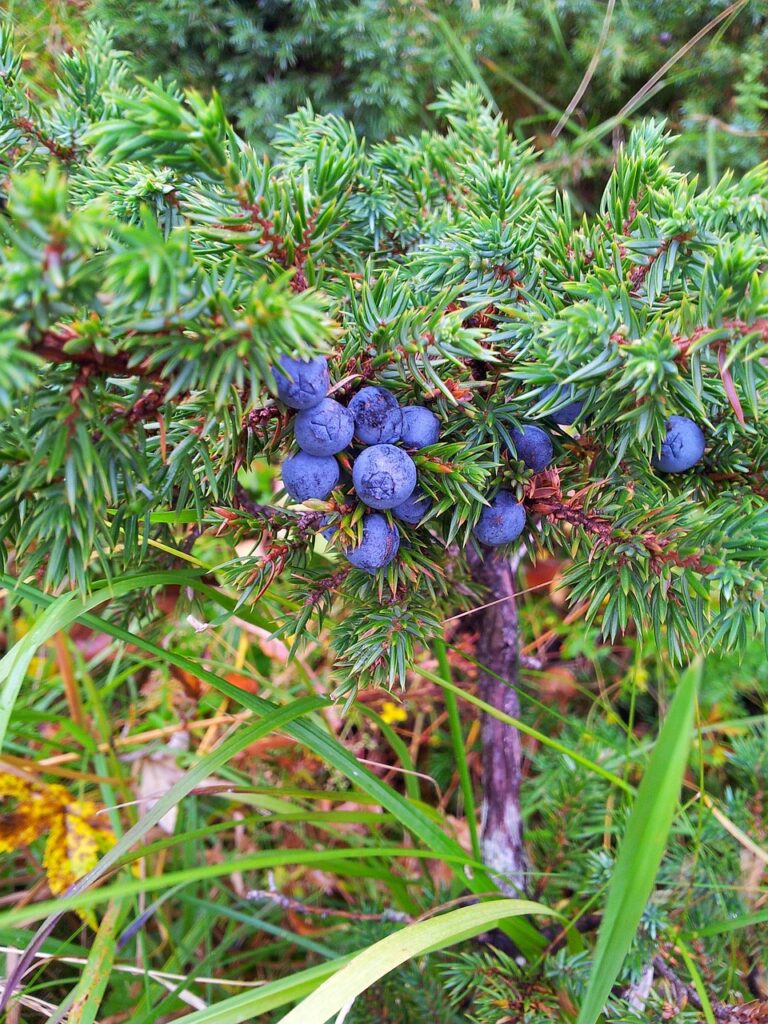
The seed cones mature slowly, taking around eighteen months to ripen from green to dark purple or brownish tones, often with a waxy bloom. Each cone typically contains one to three seeds, which are dispersed primarily by birds that consume the fleshy cone tissue.
Key identifying traits summary
The most reliable identifying characteristics of Juniperus rigida include its permanently needle-like foliage, sharply pointed and rigid needles, peeling fibrous bark, and slow-maturing berry-like cones. When combined with its open, irregular growth habit, these features make the species distinct within the broader juniper group.
Growth habit, size variation, and longevity
Juniperus rigida displays a growth pattern strongly influenced by environmental conditions, resulting in significant variation in size, form, and overall structure. Rather than conforming to a uniform shape, this species develops in response to climate, altitude, soil quality, and exposure, which contribute to its characteristically irregular appearance.
Its slow growth rate, combined with high tolerance for stress, allows Juniperus rigida to persist for long periods in challenging habitats. These traits make it a long-lived species with considerable ecological and horticultural importance.
Typical growth form in natural habitats
In the wild, Juniperus rigida most commonly grows as a large, spreading shrub or a small, irregularly formed tree. Growth is often asymmetrical, with branches shaped by wind, snow load, and limited soil depth in mountainous or rocky regions.
This natural tendency toward uneven development results in forms that appear aged and sculpted, even without human intervention. Such growth patterns are particularly pronounced in exposed or high-altitude environments.
Size range and regional variation
Mature specimens of Juniperus rigida typically reach heights between six and ten metres, although size varies widely depending on growing conditions. In harsher climates or poor soils, plants may remain low and compact, while those in more sheltered locations can develop broader canopies and thicker trunks.
Trunk diameter can reach up to fifty centimetres in older individuals, though this is uncommon outside optimal conditions. Regional climate and moisture availability play a key role in determining overall size and vigour.
Growth rate and developmental pace
Juniperus rigida is considered a slow-growing species, especially once established. Early growth tends to be gradual, with steady but limited annual extension of shoots and branches.
This slow pace contributes to dense wood structure and increased resistance to environmental stress. It also means that visible signs of maturity, such as bark exfoliation and trunk thickening, develop over many years rather than decades.
Longevity and life expectancy
One of the defining traits of Juniperus rigida is its longevity. Individual plants can live for many decades and, in favourable conditions, potentially for several centuries. This extended lifespan allows the species to play a long-term role in stabilising soils and supporting local ecosystems.
Longevity also reinforces its cultural and horticultural value, particularly in settings where age and endurance are symbolically significant. The ability of Juniperus rigida to persist through prolonged environmental stress underscores its status as a resilient and enduring conifer species.
Foliage structure and needle morphology
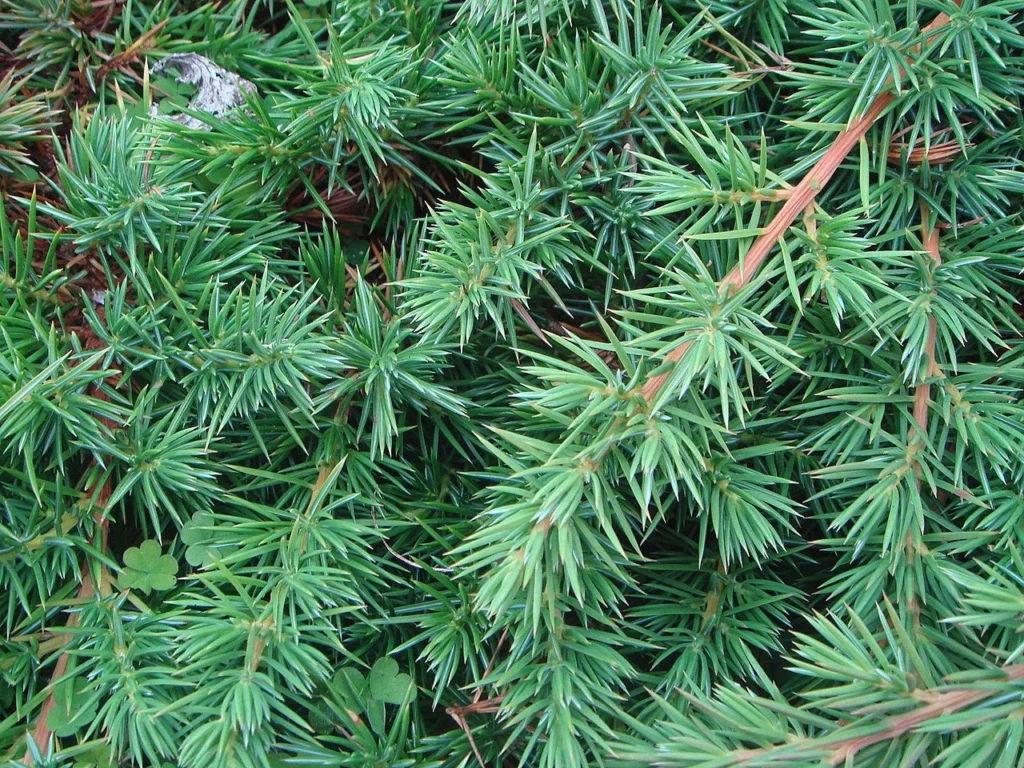
The foliage of Juniperus rigida is one of its most defining botanical features and a primary reason for its placement among the needle-leaved junipers. Unlike many juniper species that transition from juvenile needles to mature scale foliage, Juniperus rigida retains its needle form throughout its entire life cycle, making foliage analysis central to accurate identification.
Its needle structure reflects adaptation to dry, exposed environments, combining rigidity, reduced surface area, and specialised stomatal placement to limit water loss while maintaining year-round photosynthetic activity.
Needle arrangement and phyllotaxy
Needles are arranged in whorls of three along the stems, a classic trait of needle-leaved junipers. This whorled arrangement creates a radial, evenly spaced foliage pattern that contributes to the plant’s dense yet structured appearance.
Each whorl is clearly defined, and the needles emerge at consistent angles from the stem, giving branchlets a spiky, geometric profile that is immediately recognisable in the field.
Needle shape, size, and rigidity
The needles of Juniperus rigida are awl-shaped, stiff, and sharply pointed. Individual needles typically measure between ten and twenty-three millimetres in length and are relatively narrow, contributing to their hardened feel.
This rigidity is not merely structural but functional. The firm needle texture helps reduce herbivory and withstand mechanical stress from wind, snow, and debris in exposed habitats.
Colouration and stomatal banding
Needle colour ranges from bright green to yellowish-green, depending on light exposure and growing conditions. A key diagnostic feature is the presence of a single narrow white stomatal band running along the inner surface of each needle.
This stomatal band contains rows of sunken stomata that regulate gas exchange while minimising moisture loss. Its single-band configuration is particularly useful when distinguishing Juniperus rigida from related needle-leaved species that may display broader or multiple bands.
Persistence and seasonal behaviour
Foliage in Juniperus rigida is evergreen and persistent, with individual needles remaining functional for several years before being shed. There is no seasonal needle drop, although older interior foliage may naturally thin over time as part of normal growth.
Seasonal colour change is minimal, though needles may appear slightly duller or darker during colder months. This year-round foliage stability contributes to the species’ resilience and ecological role in harsh climates.
Reproductive biology and cone development
The reproductive system of Juniperus rigida follows the typical juniper pattern but includes several traits that are useful for taxonomic identification and ecological understanding. Its reproductive strategy is adapted for long-term survival in open, wind-exposed habitats, relying on a combination of wind pollination and animal-assisted seed dispersal.
Reproduction in this species is relatively slow and resource-intensive, reflecting its overall growth strategy and longevity.
Dioecious reproductive system
Juniperus rigida is predominantly dioecious, meaning male and female reproductive structures develop on separate plants. Individual specimens will therefore produce either pollen cones or seed cones, but not both.
This separation promotes genetic diversity through cross-pollination but also means that seed production within a population depends on the presence and proximity of both male and female plants. In isolated settings, this can significantly limit natural regeneration.
Pollen cones and pollination
Male plants produce small, oval to cylindrical pollen cones that are typically yellow to yellow-brown in colour. These cones develop at the tips of branchlets and release pollen in spring.
Pollination is wind-driven, with large quantities of pollen released over a short period. Once pollen has been shed, the pollen cones wither and fall from the plant, leaving no persistent structure behind.
Seed cone formation and development
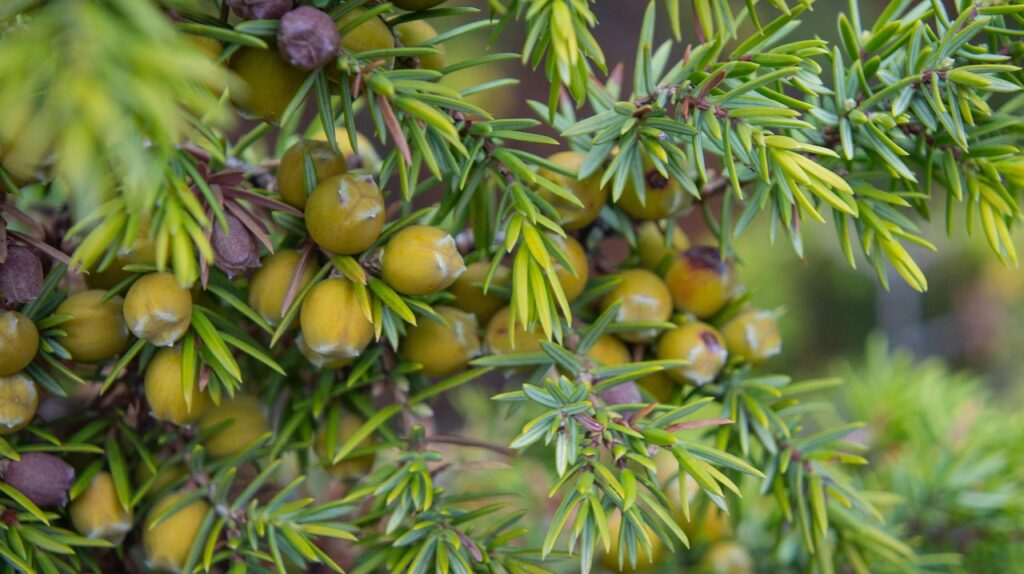
Female plants produce fleshy, berry-like seed cones rather than woody cones. These begin as small green structures and develop slowly over an extended period, typically taking around eighteen months to fully mature.
As they ripen, the cones turn dark purple to brownish in colour and often develop a whitish waxy coating. Each cone usually contains three fused scales, with one seed per scale, although occasional variation may occur.
Seed dispersal mechanisms
Seed dispersal in Juniperus rigida is primarily facilitated by birds. The fleshy outer layer of the cone attracts birds, which consume the cone and later excrete the hard seeds intact at new locations.
This dispersal method allows seeds to be transported far from the parent plant, increasing the species’ ability to colonise suitable habitats across fragmented or rugged terrain.
Reproductive timing and maturity
Juniperus rigida reaches reproductive maturity relatively late compared to faster-growing conifers. Seed production may not begin until the plant is several decades old, especially in harsher environments.
This delayed reproductive onset is offset by the species’ long lifespan and repeated seed production over many years, ensuring population stability over extended timescales.
Natural distribution, global habitat range, and ecological role
Juniperus rigida is a species with a clearly defined native range across East Asia, where it occupies a variety of dry, open, and often marginal habitats. Its distribution reflects a strong adaptation to environmental stress, allowing it to persist in regions where many other woody plants struggle to survive.
Beyond its native range, the species has also demonstrated an ability to naturalise under suitable conditions, highlighting its ecological resilience and broad tolerance.
Native geographic range
Juniperus rigida is native to northern China, Mongolia, the Korean Peninsula, Japan, and parts of far southeastern Russia, including Sakhalin and Primorsky Krai. Within these regions, it is most commonly found in mountainous or hilly landscapes where exposure and poor soils limit competition from faster-growing species.
The species occurs across a wide altitudinal range, from near sea level up to approximately 2,200 metres. This broad elevation tolerance contributes to its wide geographic spread and ecological flexibility.
Habitat preferences and environmental conditions
In its natural habitat, Juniperus rigida typically grows on dry slopes, rocky outcrops, ridgelines, and open woodland margins. Soils are often thin, well-drained, and low in organic matter, with limited water retention.
The species shows strong tolerance for drought, temperature extremes, and high wind exposure. Full sun conditions are common across its range, and shading from taller vegetation is minimal in most natural settings.
Naturalised populations outside its native range
Juniperus rigida has been recorded as naturalised in parts of the United States, particularly in regions with climates that approximate its native conditions. These populations are generally limited in extent and do not appear to be aggressively invasive.
Naturalisation demonstrates the species’ ability to establish beyond its historical range when suitable environmental conditions are present, though it remains primarily associated with its East Asian origins.
Ecological role within native ecosystems
Ecologically, Juniperus rigida plays an important role in stabilising soils and preventing erosion on exposed slopes and degraded landscapes. Its extensive root system helps bind loose substrates, reducing surface runoff and soil loss.
The species also provides habitat and food resources for wildlife. Birds utilise the dense branching structure for shelter, while the fleshy seed cones serve as a seasonal food source that supports avian populations and facilitates seed dispersal.
Contribution to long-term landscape resilience
As a slow-growing, long-lived conifer, Juniperus rigida contributes to ecosystem stability over extended periods. Its persistence in harsh environments allows it to act as a foundational species in certain landscapes, supporting gradual ecological succession.
By tolerating conditions unsuitable for many competitors, Juniperus rigida helps maintain plant cover in marginal habitats, reinforcing its ecological significance within its native range.
Infraspecific variation and recognised subspecies
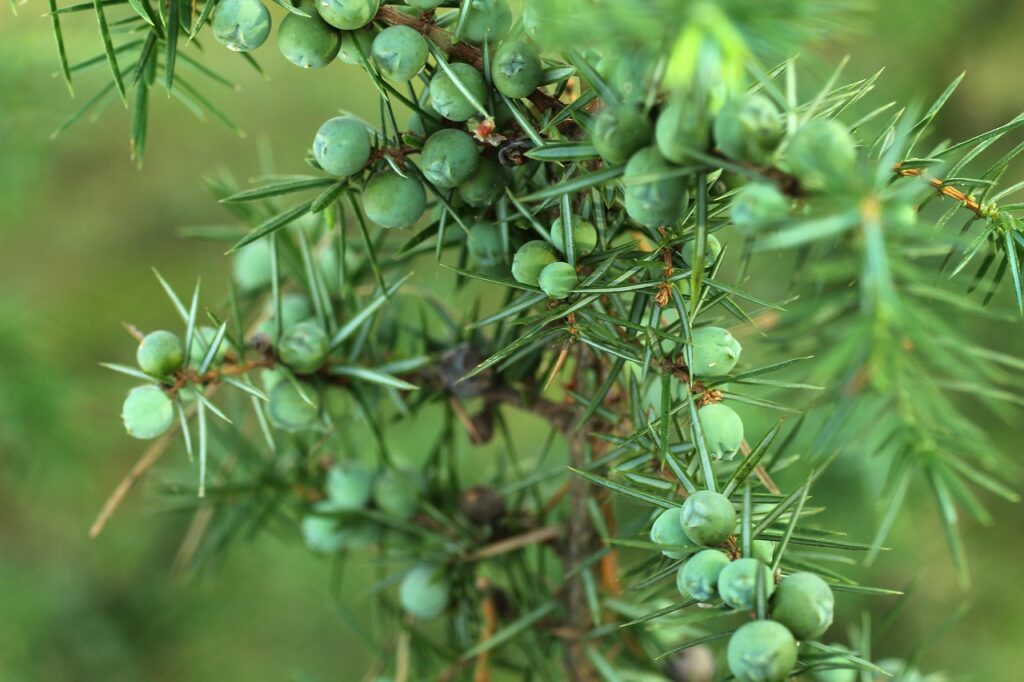
Within Juniperus rigida, infraspecific variation has been the subject of botanical discussion for many years, largely due to the species’ wide geographic range and its close relationship with other needle-leaved junipers. While Juniperus rigida is currently recognised as a distinct and stable species, certain populations display morphological traits that have historically led to taxonomic debate.
The most notable point of discussion involves populations associated with coastal and lowland regions of East Asia, particularly those exhibiting shorter, denser growth and slightly broader needles. These forms have, at times, been classified as Juniperus conferta or treated as a subspecies or variety of Juniperus rigida. Modern taxonomy generally recognises Juniperus conferta as a separate species, although historical literature may still reference it under Juniperus rigida infraspecific classifications.
Across its native range, Juniperus rigida shows natural variation in growth habit, needle length, colour intensity, and cone size. These differences are largely attributed to environmental factors such as altitude, exposure, soil type, and climate rather than genetically distinct subspecies. As a result, no formally recognised subspecies of Juniperus rigida are widely accepted in current botanical consensus.
This relative lack of recognised subspecies reflects the species’ morphological consistency despite its broad distribution. While regional forms exist, they do not meet the criteria required for stable taxonomic separation, reinforcing Juniperus rigida’s status as a well-defined species within the needle-leaved juniper group.
Juniperus rigida in horticulture and bonsai contexts
Within horticulture, Juniperus rigida is valued less for rapid ornamental impact and more for its structural character, resilience, and long-term presence in the landscape. Its tolerance for drought, poor soils, wind exposure, and temperature extremes has made it suitable for challenging sites where other woody plants may fail. These traits, combined with its slow growth and naturally irregular form, give it a distinctive place among cultivated conifers.
Culturally, Juniperus rigida holds particular significance in East Asia, where it has been historically planted in temple grounds and sacred landscapes. Its association with endurance, age, and permanence aligns with its biological characteristics, reinforcing its symbolic role in carefully curated environments rather than mass ornamental use.
In bonsai contexts, Juniperus rigida occupies an important position among needle-leaved junipers. Its rigid needles, fibrous bark, and tendency to develop naturally aged features make it especially well-suited to expressive, character-driven bonsai styles. From a taxonomic standpoint, these same traits are what distinguish it clearly from scale-leaved junipers and reinforce its placement within the needle-juniper group.
Understanding Juniperus rigida from a species taxonomy perspective provides essential context for its horticultural and bonsai use. Its growth behaviour, foliage structure, reproductive strategy, and ecological adaptations all inform how and why it performs as it does in cultivated settings. Viewed through this lens, Juniperus rigida stands as a species where botanical identity and horticultural value are closely intertwined, completing its profile as a resilient, well-defined, and culturally significant juniper.