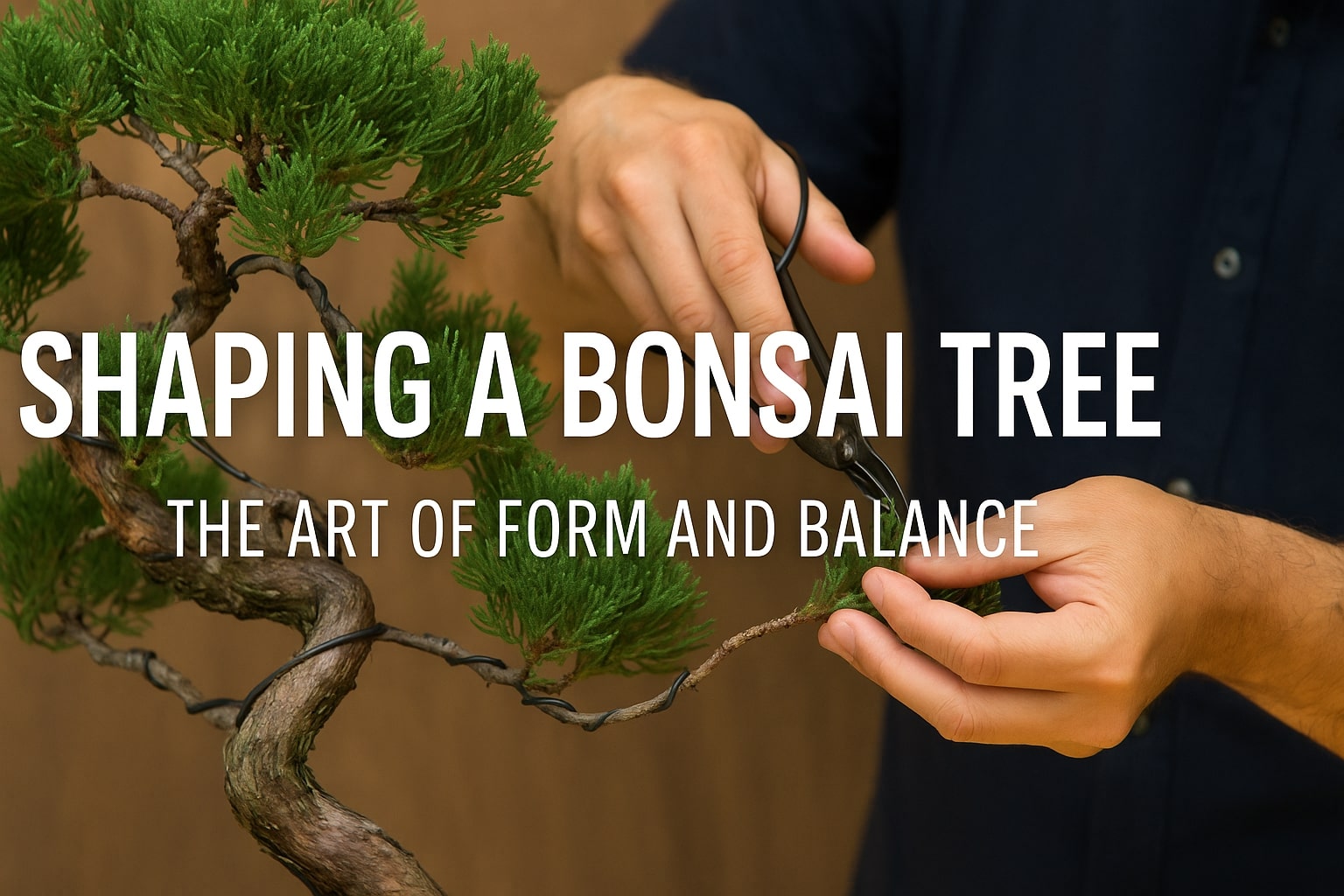
Shaping a bonsai tree is one of the most rewarding aspects of bonsai cultivation, a delicate balance between nature’s growth and the artist’s vision. Through careful pruning, wiring, and patience, growers can guide each branch into graceful harmony, creating miniature trees that reflect centuries of horticultural tradition and artistic expression.
Table of Contents
Understanding the Purpose of Shaping
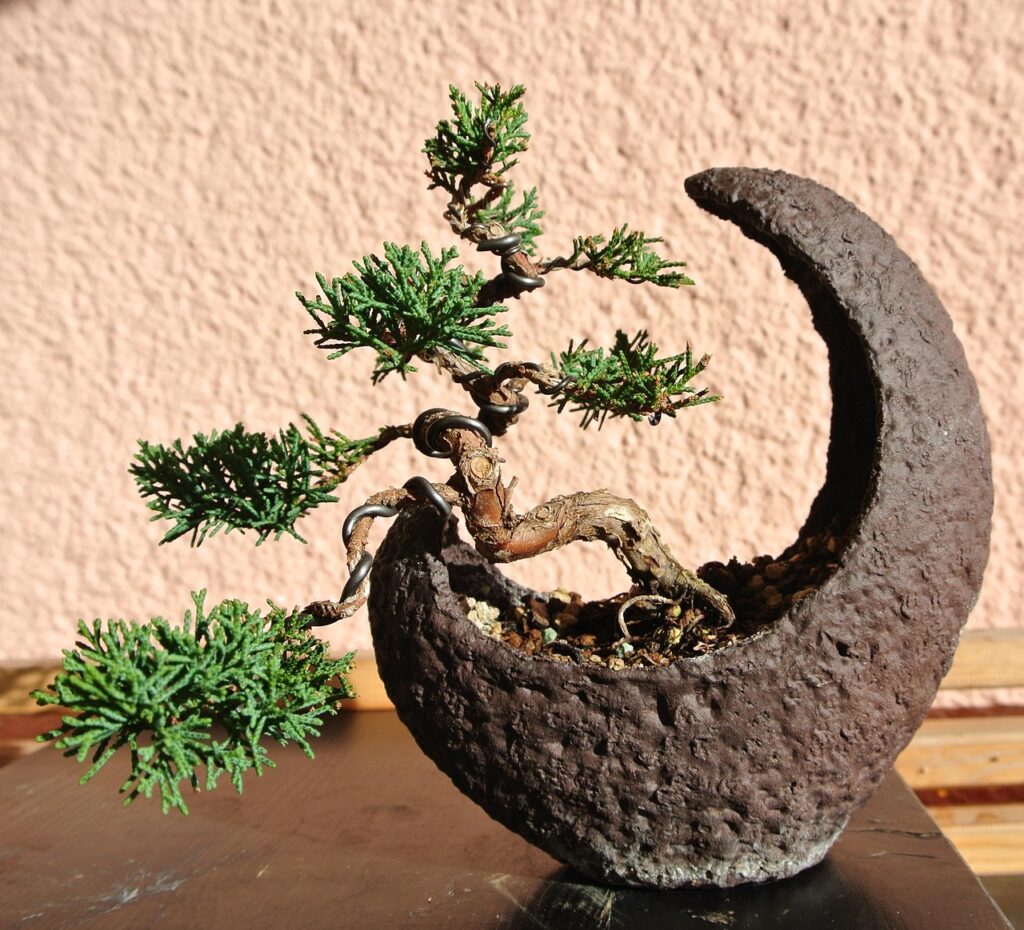
Before the first cut or wire is placed, it’s vital to understand why shaping matters. In bonsai, every curve and branch tells a story, not of control, but of cooperation with nature. The goal isn’t to force the tree into submission, but to reveal its inner character, giving each specimen a unique sense of age, movement, and tranquillity.
Shaping a bonsai tree begins with observation. By studying how branches grow, where light falls, and how roots anchor, you can start to envision the form that best suits its species and temperament. Whether aiming for a formal upright, windswept, or cascading style, the intention is always to enhance natural beauty while maintaining the plant’s overall health.
The Role of Pruning in Shaping
Pruning is the foundation of shaping a bonsai tree, providing structure and clarity to its natural form. By selectively trimming branches and leaves, growers encourage balanced growth and direct the plant’s energy where it’s most needed. Regular pruning helps maintain the tree’s proportions while preventing it from reverting to its original, unrefined state.
There are two main types of pruning: maintenance and structural. Maintenance pruning refines the silhouette by removing unwanted shoots and foliage, while structural pruning defines the tree’s permanent framework. It’s best performed during the growing season, allowing the bonsai to recover quickly and continue developing along its desired shape.
Wiring for Precision and Flow
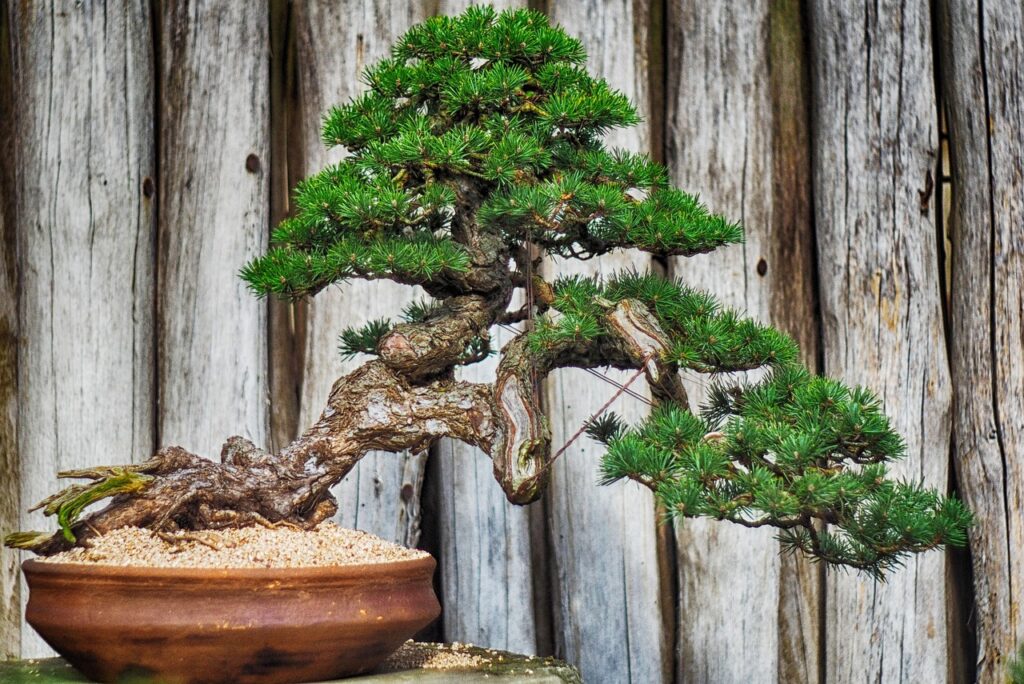
Wiring allows bonsai artists to guide branches into elegant positions that pruning alone cannot achieve. By wrapping thin, flexible wire around the branches and gently bending them, you can adjust the angle, spacing, and direction of growth to achieve a balanced, natural look. The process demands patience and sensitivity, as too much pressure can damage the bark or restrict sap flow.
The key to successful wiring lies in timing and observation. It’s usually best to wire during the tree’s active growth phase, when branches are most pliable. Aluminium wire is preferred for beginners, while copper wire offers firmer control for advanced shaping. Once the branches set in their new positions, typically after a few months, the wire should be carefully removed to prevent scarring.
Choosing the Right Style for Your Bonsai
When shaping a bonsai tree, choosing the right style sets the tone for its entire development. The form you select determines how pruning and wiring will work together to express movement, strength, and grace. Classic styles such as formal upright (Chokkan), informal upright (Moyogi), slanting (Shakan), cascading (Kengai), and windswept (Fukinagashi) each convey different emotions and natural influences.
Before deciding, observe how your tree grows: shaping a bonsai tree successfully means working with its natural tendencies, not against them. Some species, like junipers, lend themselves beautifully to dramatic cascading shapes, while others, such as pines and maples, respond better to upright or spreading forms. A good design captures balance and proportion, blending artistic vision with botanical respect.
Tools and Techniques for Effective Shaping
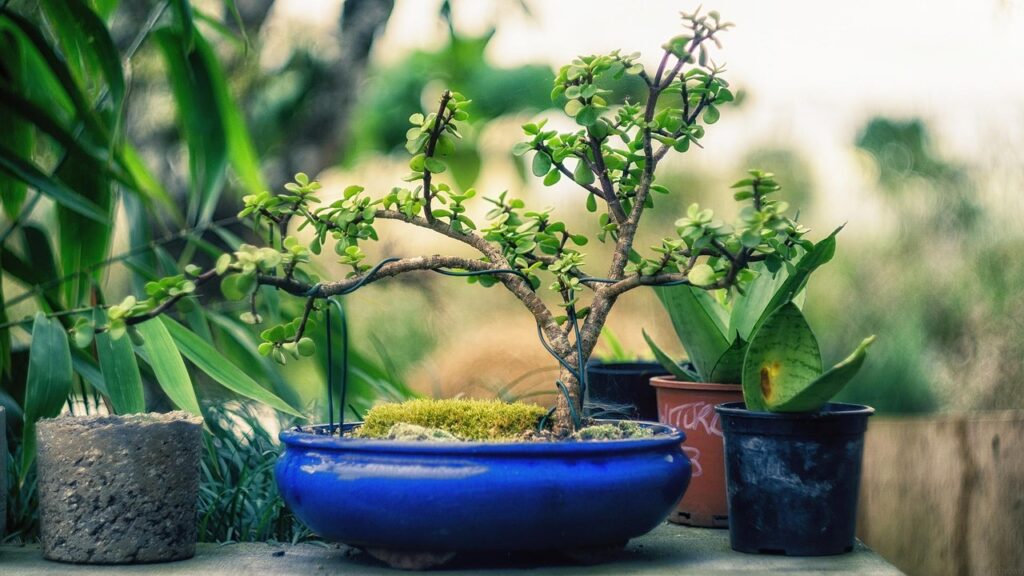
Shaping a bonsai tree requires precision tools that allow you to work delicately yet effectively. Essential items include concave cutters for clean branch removal, shears for fine trimming, and wire cutters designed to prevent bark damage. Each tool serves a unique purpose in refining your design, ensuring that every cut supports the overall vision without harming the tree’s health.
When shaping a bonsai tree, having the right tools ensures precision, health, and artistic control. Each instrument plays a vital role in guiding growth and maintaining structure:
- Concave Cutters: Create clean, hollow cuts that heal smoothly, preventing unsightly scars where branches are removed.
- Bonsai Shears: Used for fine pruning of shoots and leaves, allowing for delicate refinement of the tree’s outline.
- Wire Cutters: Designed to safely remove aluminium or copper wiring without damaging bark or branches.
- Branch Benders: Help reposition thicker branches gradually, ideal for larger trees that resist manual shaping.
- Root Rake: Loosens compacted soil and helps expose root structures during repotting for better balance and design.
- Knob Cutters: Remove unwanted knobs or lumps left after pruning, maintaining a smooth, natural contour.
- Tweezers: Perfect for plucking old leaves, cleaning bark, and managing fine details around buds or moss.
- Turntable or Stand: Allows 360° access, helping you shape the bonsai evenly from all sides for balanced aesthetics.
When shaping a bonsai tree, it’s important to work methodically: step back often to view the tree from all angles, and make adjustments gradually. Combining pruning, wiring, and selective defoliation allows for precise sculpting while maintaining balance and vitality. Patience and consistency are key; the best shapes emerge over months or even years of mindful care and observation.
Maintaining Shape Through the Seasons
Shaping a bonsai tree is not a one-time task. It’s an ongoing relationship that changes with the seasons. As your tree grows, new shoots appear, branches thicken, and the original form can begin to blur. Regular maintenance ensures that your desired silhouette remains intact while the bonsai continues to thrive naturally.
During spring and summer, light pruning helps manage vigorous growth, while autumn is ideal for assessing structure and refining form. In winter, most species rest, offering a clear view of the branch framework. By understanding these seasonal rhythms, you can maintain balance and vitality, ensuring your bonsai’s shape matures gracefully year after year.
Common Mistakes When Shaping a Bonsai Tree
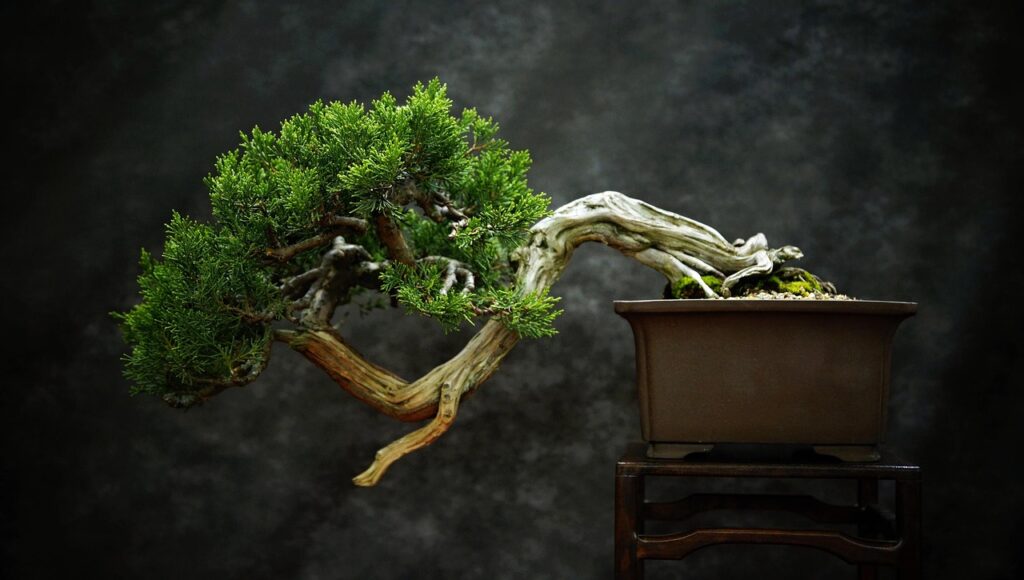
Even with care and good intentions, shaping a bonsai tree can go wrong if certain principles are overlooked. One of the most common errors is rushing the process: trying to achieve a mature design too quickly. Bonsai shaping is a gradual art that unfolds over years, not weeks. Forcing growth or making drastic cuts can weaken the tree or cause permanent damage to its structure. Patience is key; each pruning session should support steady, healthy development.
Another frequent mistake is ignoring the species’ natural growth pattern. Every tree has unique traits that dictate how it responds to shaping. Applying a generic approach can result in unbalanced or unnatural forms. Over-wiring is another pitfall: leaving wire on too long or bending branches too sharply can scar the bark and restrict sap flow. Similarly, improper tool use often leads to crushed stems, torn bark, or ragged cuts that invite disease.
Finally, neglecting seasonal timing can undo months of work. Wiring during dormancy, pruning at the wrong time, or shaping a bonsai tree in extreme temperatures all increase stress and recovery time. By learning from these mistakes, growers can refine both skill and patience, developing trees that express natural elegance and longevity.
The Art and Patience of Shaping a Bonsai Tree
Shaping a bonsai tree is far more than a technical process. It’s a living dialogue between the grower and nature. Each cut, wire, and adjustment contributes to a vision that unfolds over time, reflecting patience, creativity, and respect for the tree’s natural rhythm. True mastery lies not in forcing perfection, but in guiding organic beauty with steady, thoughtful care.
Whether you’re refining a mature specimen or shaping your first young sapling, every stage offers a lesson in balance and observation. With the right tools, seasonal awareness, and gentle technique, you can transform ordinary growth into extraordinary form. Above all, remember that shaping a bonsai tree is an ongoing journey, one where art and life grow side by side, year after year.