

Winter offers bonsai enthusiasts a unique opportunity that is often overlooked. While many trees enter dormancy and growth slows significantly, their bare branches and reduced foliage reveal something important: the underlying structure of the tree.
Studying your bonsai tree structure in winter allows you to evaluate the design, balance, and future development of your bonsai with far greater clarity than during the growing season. Hidden flaws, crossing branches, and opportunities for improvement become easier to identify.
This period is one of observation rather than rapid action. By taking the time to carefully examine your tree, you can make better decisions about pruning, wiring, styling, and long-term development.
Whether you are caring for a young bonsai or a mature specimen, studying your bonsai tree structure in winter is an essential part of becoming a better bonsai artist.
Why winter reveals the true structure
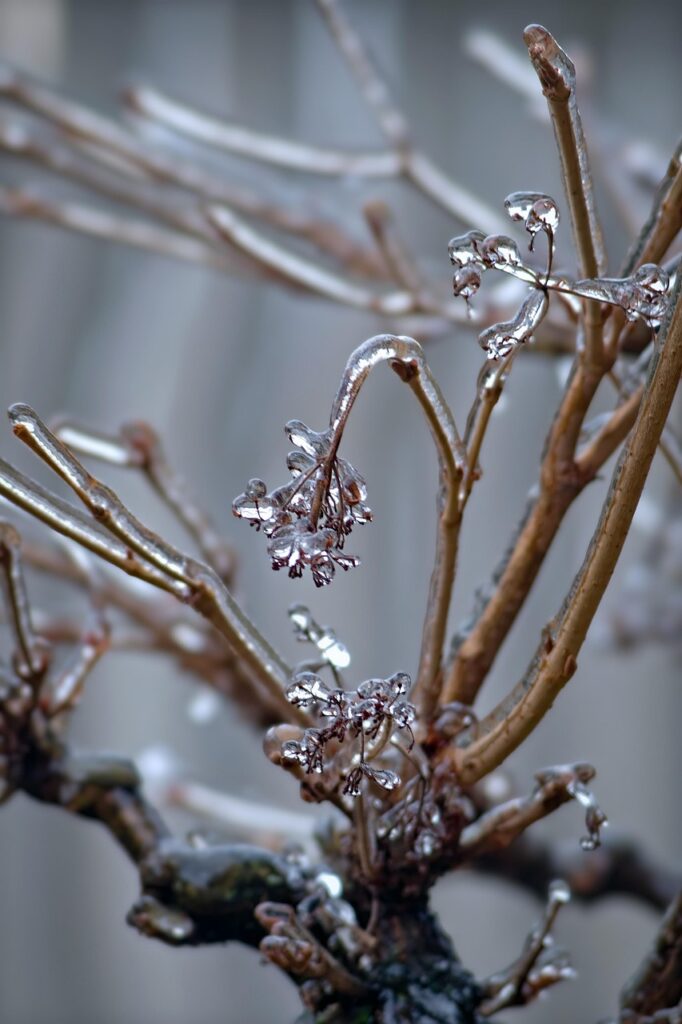
During spring and summer, leaves often hide the branch framework that forms the foundation of a bonsai design. While foliage contributes to beauty, it can also disguise structural issues.
As deciduous bonsai shed their leaves, the trunk line and branch placement become fully visible. Even evergreen species can benefit from winter inspections because slower growth makes it easier to see the tree’s overall shape.
Studying your bonsai tree structure in winter helps you identify areas where branches may be too crowded, poorly positioned, or competing for visual dominance.
The dormant season allows you to focus on the architecture of the tree rather than being distracted by foliage mass.
Evaluating the trunk and primary branches
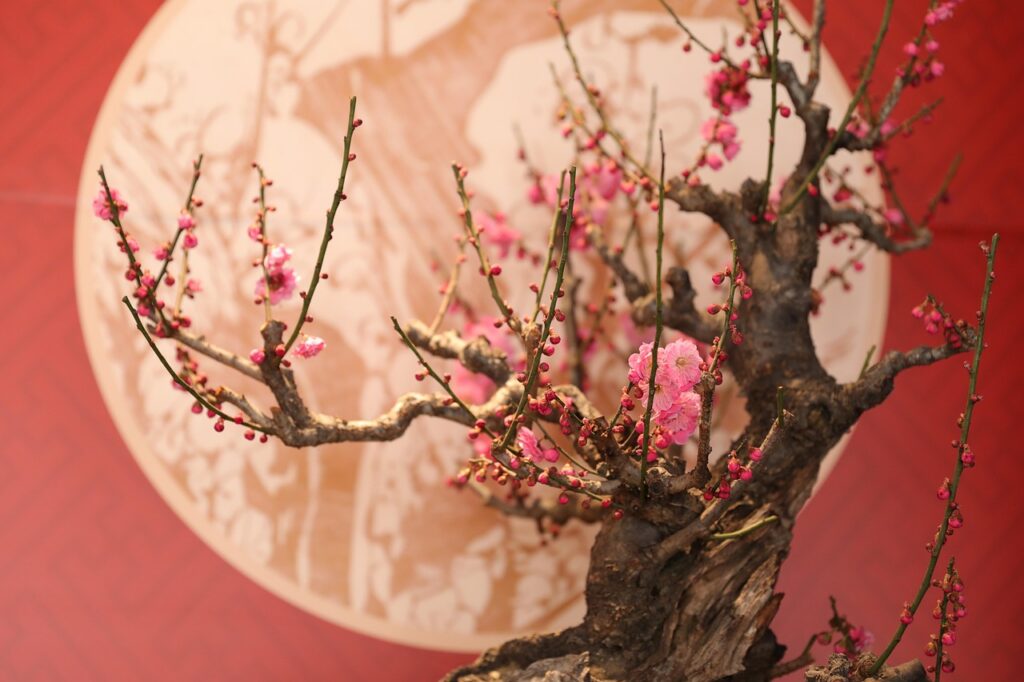
The trunk forms the backbone of every bonsai design. Winter is the ideal time to assess whether the trunk movement creates the visual impact you want.
Examine the taper from the base to the apex. A strong bonsai typically becomes progressively thinner as the trunk rises. Look for sections where taper may be weak or where future development could improve the appearance.
Primary branches should support the overall design rather than compete with it. Study how each branch contributes to the silhouette and whether any appear too thick, too long, or poorly positioned.
Studying your bonsai tree structure in winter can help you identify future pruning candidates before active growth resumes in spring.
Identifying design improvements
Once the basic structure is visible, you can begin planning improvements for the coming growing season.
Some questions to consider include:
- Are any branches crossing one another?
- Does the tree have good balance from all viewing angles?
- Is the apex positioned correctly?
- Are there gaps that require future branch development?
- Do any branches distract from the trunk line?
- Is the overall silhouette pleasing and natural?
Answering these questions during winter allows you to create a clear development strategy before growth begins again.
Rather than making impulsive decisions later in the year, you can approach styling with purpose and confidence.
Planning future wiring and pruning
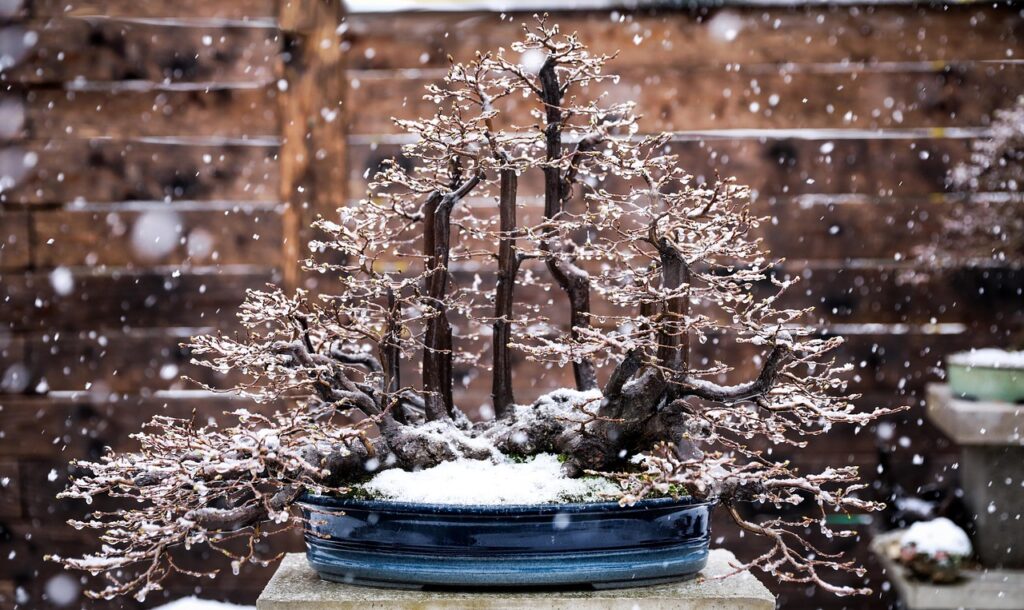
Winter observations provide valuable information for future work. As you study the branch structure, make notes about potential wiring projects and pruning goals.
Photographs can be especially useful. Taking images from multiple angles allows you to analyse the design more objectively and compare progress from year to year.
Studying your bonsai tree structure in winter also helps you identify branches that may need repositioning. By planning ahead, you can gather the appropriate materials and determine the best timing for future work.
Many experienced bonsai growers spend as much time observing as they do actively working on their trees.
Learning From Every Tree
One of the greatest benefits of studying your bonsai tree structure in winter is the opportunity to deepen your understanding of bonsai design. Every tree tells a story through its trunk movement, branch placement, and overall composition.
The dormant season encourages patience and observation, two qualities that are fundamental to successful bonsai cultivation. Rather than rushing into changes, winter allows you to appreciate the strengths of your tree and carefully consider its future development.
If you would like assistance evaluating, styling, nursing, pruning, or developing your bonsai trees this winter, contact Budding Backyard Bonsaist. We are always happy to help bonsai enthusiasts bring out the best in their trees.