
The Syrian juniper bonsai is a resilient and characterful tree that brings a rugged Mediterranean presence to any collection. Known for its hardy nature, fine foliage, and naturally weathered appearance, the Syrian juniper bonsai is particularly suited to growers who appreciate strength, texture, and long-term development.
Adaptable yet slow-growing, the Syrian juniper bonsai rewards patience and structured care. With proper light, controlled watering, and thoughtful pruning, it can develop into a striking specimen that reflects both ancient landscapes and disciplined bonsai artistry.
Table of Contents
TL:DR Quick Syrian Juniper Bonsai Care Overview
The Syrian juniper bonsai is a hardy evergreen conifer known for its rugged trunk movement and drought tolerance once established. It thrives in full sun, requires excellent drainage, and benefits from controlled, structured feeding. Best suited to growers with some experience, it performs particularly well in warm, dry climates.
| Care aspect | Syrian Juniper Bonsai |
|---|---|
| Scientific name | Juniperus drupacea |
| Common name | Syrian Juniper |
| Bonsai type | Evergreen conifer |
| Light | Full sun. Requires strong direct light for compact foliage and healthy growth. |
| Watering | Water thoroughly, then allow partial drying. Avoid prolonged waterlogging. Drought tolerant once established. |
| Soil | Fast-draining mix (akadama, pumice, lava rock). Prefers slightly alkaline to neutral soil. |
| Fertiliser | Balanced fertiliser such as 10-10-10 or 12-6-6 during spring and summer. Reduce feeding in late autumn and winter. Avoid high nitrogen in extreme heat. |
| Pruning | Regular pinching to maintain shape. Structural pruning during active growth. Avoid heavy pruning in cold periods. |
| Wiring | Wire in spring or early autumn. Monitor closely as bark can mark if left too long. |
| Difficulty | Moderate. Best suited to growers with some bonsai experience. |
| Rarity | Less common in cultivation outside Mediterranean and subtropical regions. |
| Climate sensitivity | Prefers warm, dry climates. Protect from severe frost and prolonged freezing temperatures. |
| Growth habit | Naturally twisted, low-spreading form with strong lateral movement and rugged trunk character. |
Syrian Juniper Bonsai Care Guide
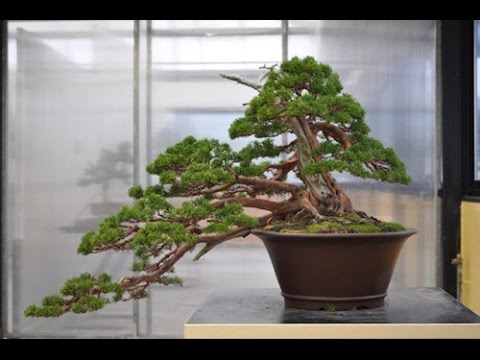
The Syrian juniper bonsai is a powerful, slow-developing evergreen conifer that reflects the harsh beauty of Mediterranean landscapes. With its rugged trunk character, drought tolerance, and naturally spreading form, the Syrian juniper bonsai is ideal for growers who appreciate structured development and disciplined care.
While hardy once established, the Syrian juniper bonsai performs best when its environmental needs are respected. Strong light, excellent drainage, controlled feeding, and careful seasonal management will ensure steady growth and long-term refinement.
Light
The Syrian juniper bonsai requires full sun for compact foliage and healthy development. A minimum of six hours of direct sunlight daily is recommended to prevent leggy growth and weak branching.
Insufficient light can lead to elongated internodes and dull foliage colour. In hot climates such as parts of South Africa, afternoon sun is beneficial, though newly repotted or stressed trees may require slight temporary protection.
Watering
Water the Syrian juniper bonsai thoroughly, ensuring the entire root mass is soaked. Allow the soil to partially dry before watering again. The species is drought-tolerant once established but does not tolerate constant waterlogging.
Overwatering is far more dangerous than slight underwatering. Ensure excellent drainage and adjust watering frequency according to season, temperature, and pot size.
Pruning
Regular pinching helps maintain compact foliage pads and encourages back budding. Structural pruning should be done during active growth in spring or early summer.
Avoid heavy pruning during cold periods or extreme heat. The Syrian juniper bonsai responds well to gradual shaping rather than aggressive removal of large sections.
Shaping
The natural growth habit of the Syrian juniper bonsai lends itself to informal upright, slanting, and windswept styles. Its rugged trunk character is best highlighted through gradual refinement.
Avoid forcing overly artificial shapes. Work with the tree’s natural movement, enhancing its lateral spread and textured bark over time.
Soil
The Syrian juniper bonsai requires a fast-draining soil mix. A blend of akadama, pumice, and lava rock works well. Slightly alkaline to neutral pH is preferred.
Avoid organic-heavy mixes that retain too much moisture. Good aeration is critical for healthy root development.
Repotting
Repot the Syrian juniper bonsai in early spring before vigorous growth begins. Young trees may require repotting every two to three years, while mature specimens can go longer between cycles.
Root pruning should be moderate rather than aggressive. Maintain a balanced root mass to prevent stress and slow recovery.
Wiring
Wire in spring or early autumn when branches are flexible. Monitor closely, as the bark can mark if wire is left on too long.
The Syrian juniper bonsai thickens gradually, so regular inspections are essential to prevent scarring. Remove wire promptly once the desired shape holds.
Fertiliser
Feed the Syrian juniper bonsai during spring and summer with a balanced fertiliser such as 10-10-10 or 12-6-6. In early growth stages, slightly higher nitrogen can support development, but avoid excessive nitrogen in extreme heat.
Reduce feeding in late autumn and winter when growth slows. Over-fertilising can lead to coarse growth and reduced refinement.
Propagation
The Syrian juniper bonsai can be propagated from semi-hardwood cuttings taken in late summer. Rooting hormone improves success rates.
Seed propagation is possible but slow. Cuttings are generally preferred for maintaining desirable characteristics.
Seasonal Care
In warm climates, the Syrian juniper bonsai thrives outdoors year-round. Protect from severe frost and prolonged freezing temperatures.
During peak summer heat, ensure proper hydration and avoid fertilising during extreme stress. Winter care should focus on protection from excessive moisture and cold winds.
Pests
Common pests include spider mites, scale insects, and aphids. Regular inspection is essential, especially during hot, dry conditions.
Good airflow and proper watering practices reduce pest pressure. Treat infestations early with appropriate horticultural solutions.
Diseases
Root rot is the primary risk, usually caused by poor drainage or overwatering. Ensuring a free-draining soil mix is the best prevention.
Fungal issues can occur in humid environments. Maintain airflow and avoid overhead watering to reduce disease risk in the Syrian juniper bonsai.
How to Identify a Syrian Juniper Bonsai
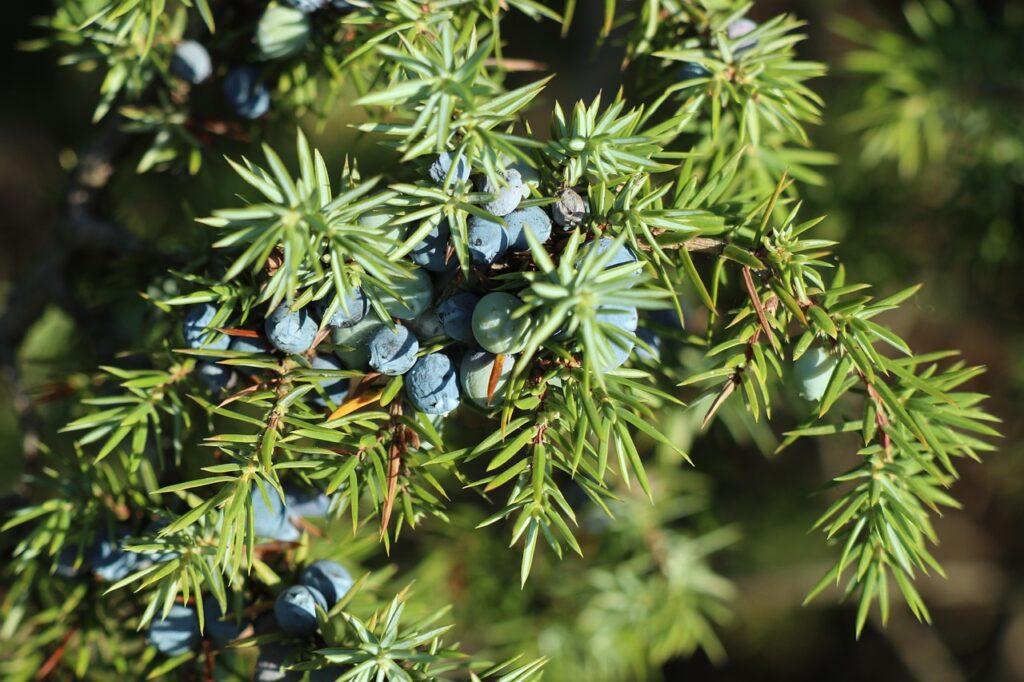
Correctly identifying a Syrian juniper bonsai is important for both care and styling decisions. This species has distinctive foliage, fruiting structures, and bark characteristics that separate it from other junipers commonly used in bonsai.
Unlike softer, scale-foliage junipers, the Syrian juniper bonsai often displays stronger, sharper needle characteristics and a more rugged trunk profile. Careful observation of leaves, berries, bark, and seasonal behaviour will help confirm identification.
Leaf Identification
The Syrian juniper bonsai primarily features stiff, sharp, needle-like foliage rather than soft scale leaves. The needles are typically arranged in whorls of three and have a noticeable pale or silvery stripe along the upper surface.
The foliage tends to be a deep green to slightly bluish-green depending on growing conditions. Needles are firm to the touch and maintain a strong, upright structure rather than lying flat against the branch.
Juvenile foliage may dominate in bonsai cultivation, especially if the tree is frequently pruned. Mature foliage can become slightly denser but retains its sharp character.
Flower Gallery
The Syrian juniper bonsai does not produce showy flowers like broadleaf species. Instead, it develops small, inconspicuous reproductive structures typical of conifers.
Male cones are small and yellowish, releasing pollen in spring. Female cones are tiny at first and develop gradually into berry-like structures.
Because the flowers are subtle, identification relies more heavily on foliage and fruit characteristics.
Fruit Identification
The fruit of the Syrian juniper bonsai appears as rounded, berry-like cones. These begin green and gradually mature into a purplish-brown or dark bluish tone.
The berries are typically larger than those of many other juniper species, which can be a helpful identifying feature. They may take more than one season to fully mature.
Not all bonsai specimens will fruit regularly, especially if pruned heavily or grown in containers under controlled conditions.
Seeds and Pods
Inside each berry-like cone are hard seeds. The fruit contains multiple seeds enclosed within a fleshy outer layer.
Unlike pod-producing trees, the Syrian juniper bonsai does not produce true pods. The berry structure is technically a modified cone, typical of juniper species.
Seed development is slow, and germination from seed requires patience and stratification.
Bark Textures
One of the most distinctive features of the Syrian juniper bonsai is its rugged bark. As the tree matures, the bark becomes fibrous, textured, and slightly peeling in vertical strips.
The trunk often develops a weathered, ancient appearance, even at relatively modest sizes. This natural character makes it especially attractive for bonsai styles that emphasise age and resilience.
The bark colour ranges from grey-brown to reddish-brown depending on age and environmental conditions.
Seasonal Changes
The Syrian juniper bonsai is evergreen and retains foliage year-round. However, subtle seasonal shifts occur. In cooler weather, foliage may deepen slightly in colour. During periods of stress or intense heat, it may lighten or appear slightly muted.
Growth activity is strongest in spring and early summer. Winter growth slows significantly, particularly in cooler climates, but the tree remains structurally stable and visually consistent throughout the year.
Bonsai Styles Suited to Syrian Juniper Bonsai
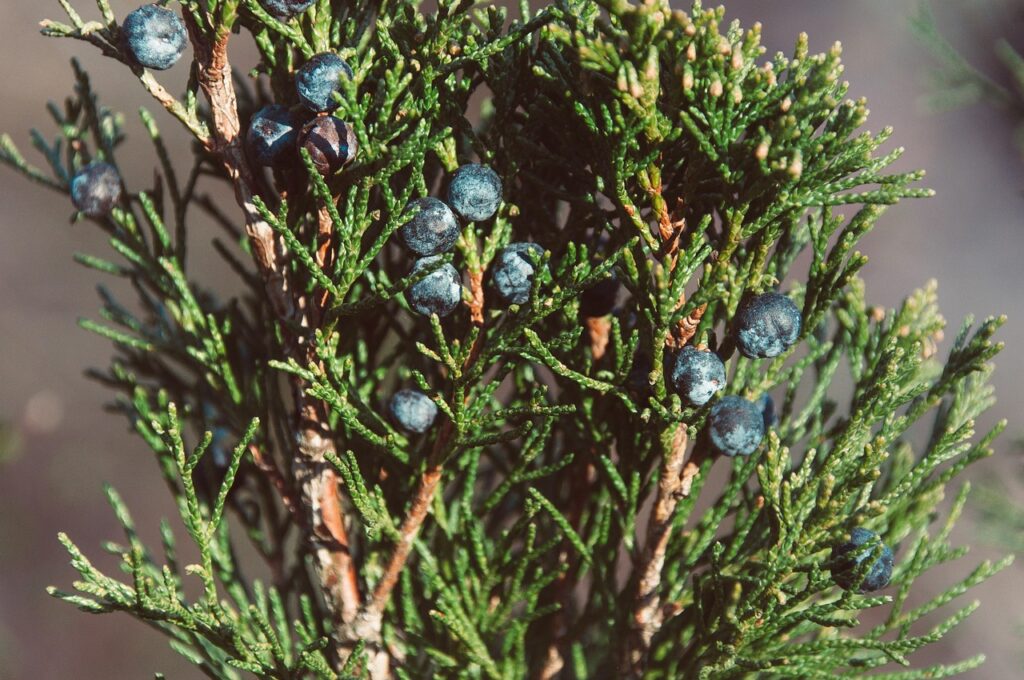
The Syrian juniper bonsai is naturally rugged, drought-tolerant, and full of character, making it ideal for expressive, movement-driven styles. Its stiff needle foliage, strong lateral branching, and textured bark favour designs that emphasise resilience and age rather than soft elegance.
Because the Syrian juniper bonsai often develops natural twists and subtle trunk movement, it is best styled in ways that enhance its organic structure rather than forcing overly formal symmetry.
Informal Upright (Moyogi)
The informal upright style is one of the most suitable options for the Syrian juniper bonsai. Gentle curves in the trunk reflect the species’ natural growth habit, especially when cultivated under wind and sun exposure.
This style allows the rugged bark and layered foliage pads to shine. It also accommodates the tree’s tendency toward strong lateral branching.
Windswept (Fukinagashi)
Given its Mediterranean origin and resilience to harsh conditions, the Syrian juniper bonsai is particularly well suited to windswept designs.
The stiff foliage and flexible younger branches make it possible to create dramatic movement, simulating years of exposure to coastal or mountain winds. This style enhances the tree’s natural strength and weathered character.
Slanting (Shakan)
The slanting style works beautifully with the Syrian juniper bonsai, especially when the trunk has a natural lean or directional movement.
This approach highlights dynamic balance while maintaining stability. Strong root anchoring and well-developed nebari enhance the visual impact of this style.
Cascade and Semi-Cascade (Kengai and Han-Kengai)
With careful training, the Syrian juniper bonsai can also adapt to cascade or semi-cascade forms. Its flexible younger growth allows controlled downward shaping, while the hardy foliage tolerates the stress of wiring.
These styles are particularly effective when the trunk has natural bends that suggest cliffside growth.
Literati (Bunjin)
For more experienced growers, the Syrian juniper bonsai can be refined into a literati style. Its ability to develop sparse, dramatic lines with compact foliage clusters makes it suitable for minimalist, expressive compositions.
This style emphasises trunk movement and negative space, allowing the textured bark and needle foliage to take centre stage.
The key when styling the Syrian juniper bonsai is to work with its natural movement and rugged character. Avoid overly rigid forms and instead enhance the sense of age, resilience, and wind-shaped beauty that defines this species.
Symbolism and Cultural Significance
The Syrian juniper bonsai carries deep symbolic meaning rooted in resilience, endurance, and protection. Growing naturally in harsh Mediterranean and mountainous regions, the Syrian juniper bonsai represents strength in adversity and the ability to thrive in difficult environments. Its hardy nature makes it a powerful emblem of perseverance and quiet determination.
In many cultures, juniper trees have long been associated with purification and spiritual protection. Historically, juniper branches were burned for cleansing rituals, and the tree was believed to ward off negative influences. When cultivated as a Syrian juniper bonsai, this symbolism translates into a living representation of protection, grounding, and stability within a space.
The rugged bark and slow growth of the Syrian juniper bonsai also reflect patience and the passage of time. Bonsai itself is an art rooted in mindfulness and long-term cultivation, and this species reinforces that philosophy. Each twist in the trunk and each textured layer of bark becomes a visual reminder of endurance through seasons of hardship and growth.
For many growers, the Syrian juniper bonsai symbolises resilience under pressure. Its ability to withstand drought, wind, and sun while maintaining evergreen strength mirrors personal growth through life’s challenges. As such, it is often chosen not just for aesthetic appeal, but for the deeper meaning it brings to a bonsai collection.
Companion Plants and Wildlife Attraction
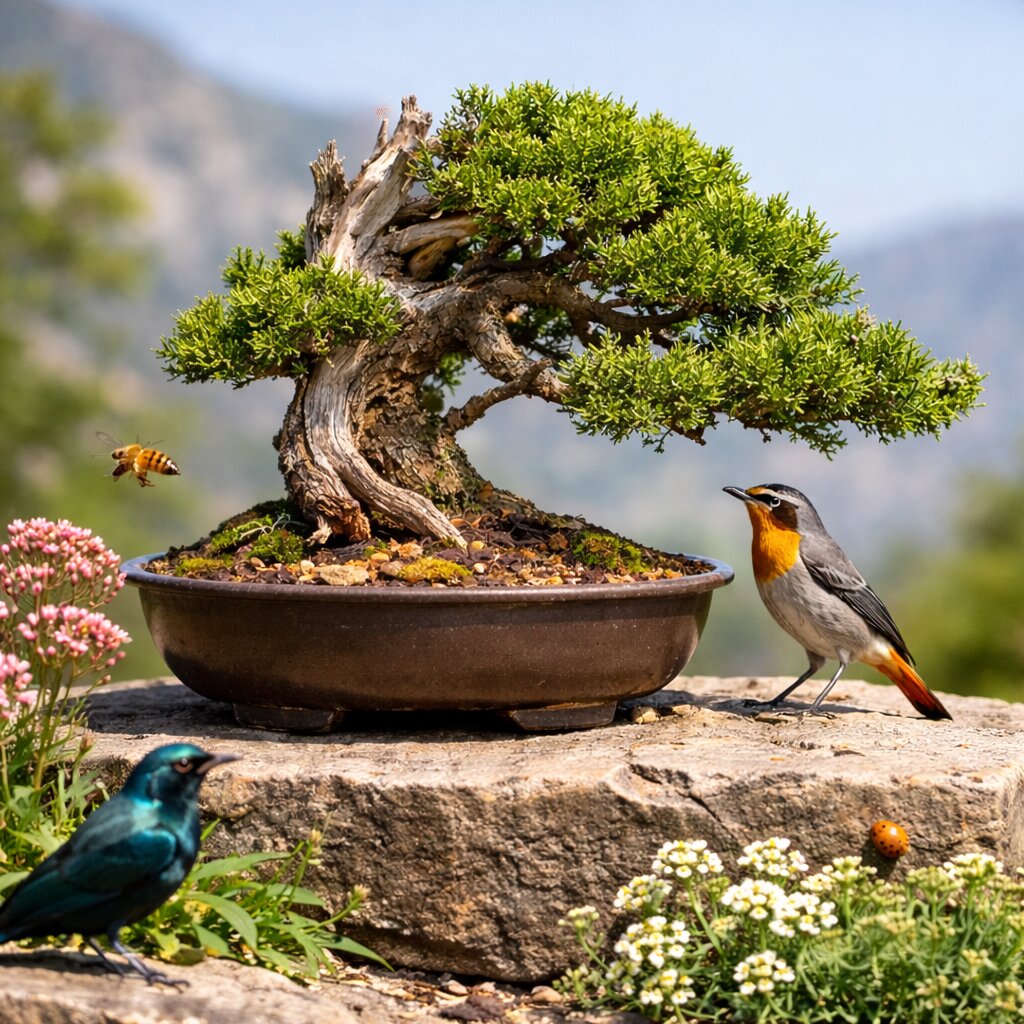
The Syrian juniper bonsai thrives in dry, well-drained conditions, so companion planting should reflect similar environmental preferences. Because this species dislikes constant moisture around its roots, companion plants must be chosen carefully to avoid altering drainage or humidity levels in the pot.
When styled thoughtfully, companion plants can enhance the rugged, Mediterranean aesthetic of the Syrian juniper bonsai while maintaining horticultural balance.
Moss
For the Syrian juniper bonsai, use drought-tolerant moss species rather than moisture-loving varieties. Suitable options include Hypnum cupressiforme (cypress-leaved plait-moss) and Tortula muralis (wall screw-moss), both of which tolerate drier, sunnier conditions better than delicate forest mosses.
Apply moss lightly and avoid covering the entire soil surface. While it enhances the aged appearance of the Syrian juniper bonsai, excessive moss can trap moisture and reduce airflow, increasing the risk of root issues.
Flowers
Low-growing, sun-loving flowering plants that complement the Syrian juniper bonsai include Sedum acre, Alyssum saxatile, and Erigeron karvinskianus. These species tolerate dry conditions and reinforce a rocky, Mediterranean aesthetic.
Alpine plants such as Delosperma cooperi can also work well in accent pots. Avoid moisture-demanding flowers, as their watering needs may conflict with the well-drained environment required by the Syrian juniper bonsai.
Herbs
Mediterranean herbs such as thyme, rosemary, or sage make excellent companion plants in nearby containers. These herbs thrive in similar sun and soil conditions as the Syrian juniper bonsai.
Their hardy nature and aromatic foliage reinforce the natural habitat aesthetic of the tree. However, herbs should generally not share the same pot unless carefully managed for drainage and root competition.
Wildlife Attraction
In open garden settings, the Syrian juniper bonsai can support small ecosystems. Mature specimens that produce berry-like cones may attract birds such as thrushes and starlings. In South Africa, species like the Cape Glossy Starling and Olive Thrush may be drawn to juniper berries in larger landscape settings.
The dense branching structure of the Syrian juniper bonsai can also provide shelter for small birds and beneficial insects. Pollinating insects such as honeybees (Apis mellifera) and solitary bees may visit during the pollen release phase in spring.
Additionally, lacewings and ladybirds, both beneficial predatory insects, may use juniper foliage as temporary shelter. While a container-grown Syrian juniper bonsai will not attract wildlife at the scale of a full-sized tree, it still contributes to biodiversity in outdoor displays.
Care Summary and Practical Notes
The Syrian juniper bonsai is a resilient, sun-loving evergreen that rewards patience and disciplined care. It thrives in full sun, demands excellent drainage, and performs best when watering is controlled rather than frequent. Overwatering remains the greatest risk, while strong light and proper airflow are key to maintaining compact foliage and overall vigour.
Feeding should be balanced and seasonal, using moderate NPK ratios such as 10-10-10 or 12-6-6 during active growth. Repotting should be done conservatively in early spring, and wiring must be monitored closely to avoid bark scarring. Structural refinement is best achieved gradually, allowing the tree’s natural rugged movement to guide styling decisions.
In warm climates like much of South Africa, the Syrian juniper bonsai can remain outdoors year-round, provided it is protected from severe frost and excessive winter moisture. With consistent care, it develops textured bark, strong branch structure, and a powerful visual presence that reflects endurance and age.
Above all, work with the natural character of the Syrian juniper bonsai rather than forcing artificial symmetry. When respected and properly managed, it becomes a long-term companion that embodies strength, resilience, and timeless Mediterranean beauty.