

Winter may make bonsai trees appear lifeless on the surface, but important biological processes continue taking place beneath the bark. One of the most fascinating of these processes is sap flow, which changes significantly as temperatures drop and trees enter dormancy.
Understanding sap flow in bonsai trees during winter can help bonsai owners make better decisions regarding watering, pruning, protection, and seasonal care. While growth slows dramatically during colder months, the internal systems of the tree continue adapting to survive winter conditions.
The way sap moves through a bonsai tree during winter depends heavily on the species, climate, and environmental conditions surrounding the tree.
What happens to sap flow during winter?
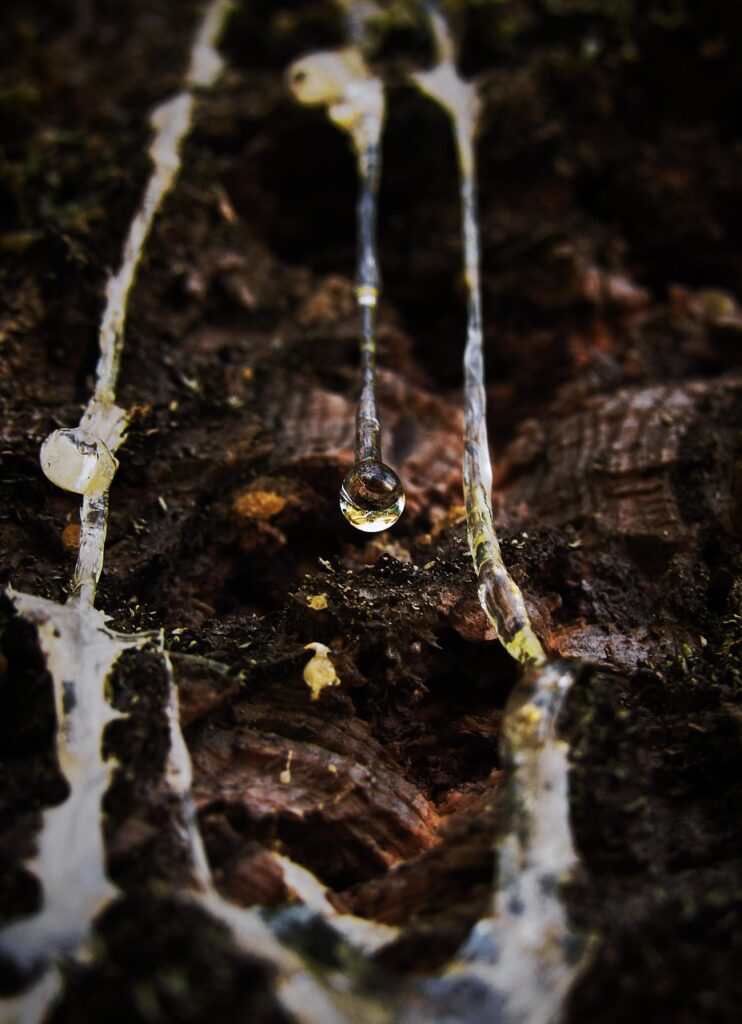
Sap flow is responsible for transporting water, nutrients, sugars, and hormones throughout a tree. During the active growing seasons of spring and summer, sap movement is rapid as the tree supports leaf growth, photosynthesis, and energy production.
As temperatures begin falling in autumn, bonsai trees gradually prepare for dormancy. Deciduous species shed their leaves, photosynthesis slows, and the tree begins conserving energy for survival rather than growth.
During winter, sap flow slows dramatically rather than stopping completely. The tree reduces water movement to minimise the risk of freezing damage while preserving essential cellular functions.
In evergreen bonsai species, sap may continue moving slowly throughout winter because the tree still retains foliage and carries out limited photosynthesis during warmer periods.
Dormancy helps protect the bonsai tree
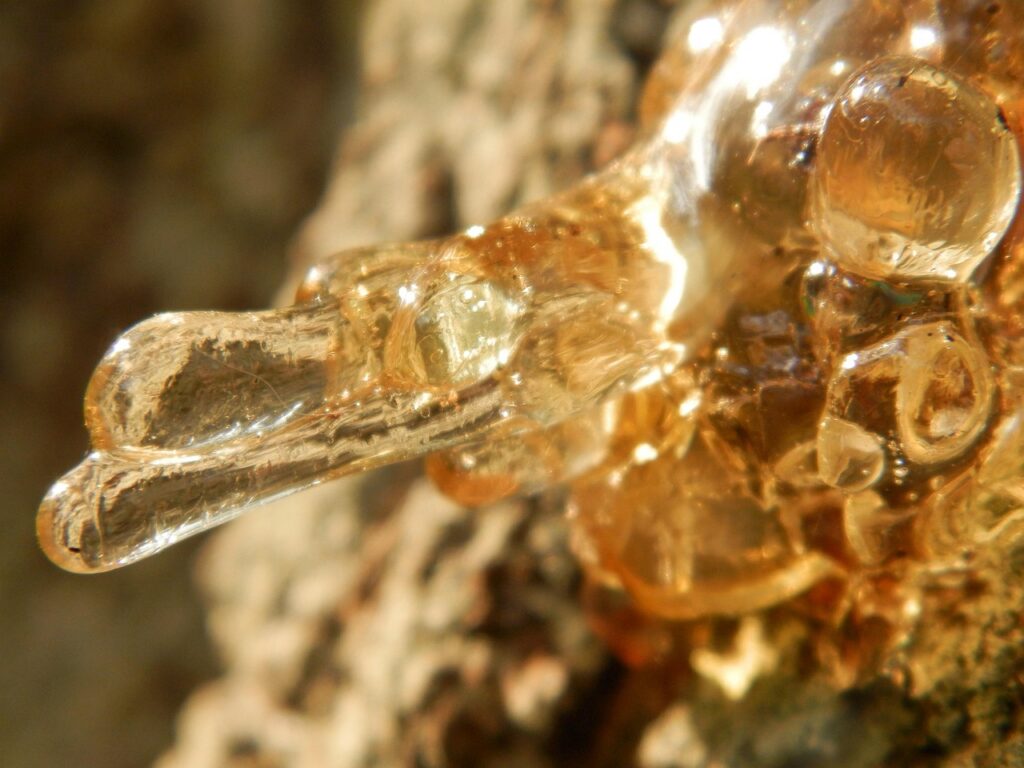
Dormancy acts as a natural survival mechanism that protects bonsai trees from harsh winter conditions. Hormonal changes inside the tree signal reduced growth activity, causing sap movement to slow and metabolic functions to decrease.
This reduced activity helps prevent excessive water loss and lowers the risk of frozen sap damaging internal tissues during freezing temperatures.
Several important winter processes still occur inside dormant bonsai trees:
- Energy storage within roots and trunk
- Limited nutrient transport
- Cellular repair and maintenance
- Moisture regulation
- Hormonal preparation for spring growth
Although the tree appears inactive externally, these hidden processes remain essential for healthy spring recovery.
Temperature strongly affects sap movement
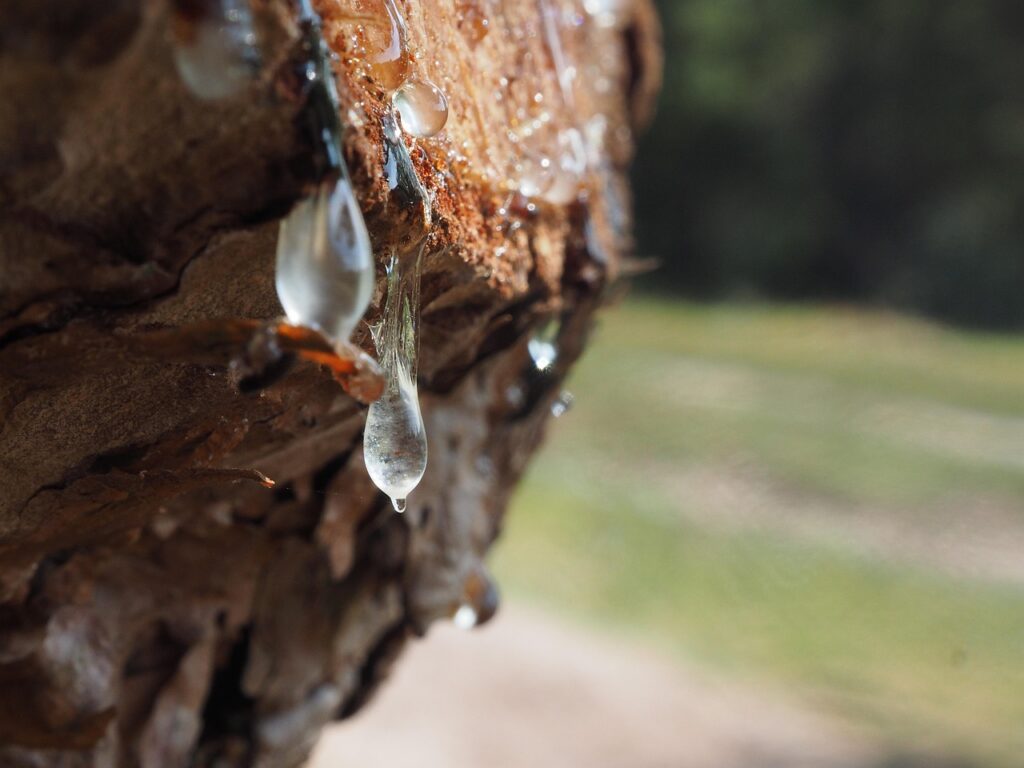
Sap flow in bonsai trees during winter changes constantly depending on temperature fluctuations. During mild winter days, sap movement may increase slightly as the tree responds to warmer conditions and sunlight exposure.
However, rapid freezing temperatures can slow or temporarily halt movement again. Sudden freeze-thaw cycles are particularly dangerous because expanding ice crystals inside plant tissues can damage cells and bark.
This is one reason why winter protection becomes so important for bonsai trees growing in shallow containers. The exposed root systems experience temperature changes much faster than trees planted in the ground.
Protecting bonsai roots from severe freezing helps stabilise internal moisture movement and reduces stress throughout winter dormancy.
Winter sap flow influences bonsai care
Understanding sap flow in bonsai trees during winter also helps explain why certain bonsai tasks are avoided during colder months. Heavy pruning, aggressive wiring, and repotting can place additional stress on trees already operating with reduced energy movement.
Watering habits must also adjust during winter because slower sap flow means trees absorb and use water far more slowly than during active growth periods.
Many bonsai owners mistakenly assume dormant trees require no care at all. In reality, bonsai trees continue carrying out important internal survival processes throughout winter, even if visible growth has paused.
By understanding how sap flow changes during dormancy, bonsai owners can better support their trees through winter while preparing them for healthy spring growth ahead.