
When cultivating a bonsai, the most critical element often lies unseen: bonsai soil. It’s far more than simple dirt. The right soil mix provides a balance between air, water retention, and drainage, forming the foundation on which your miniature tree thrives. Without it, even the most perfectly shaped bonsai will struggle to survive.
Table of Contents
Understanding Bonsai Soil
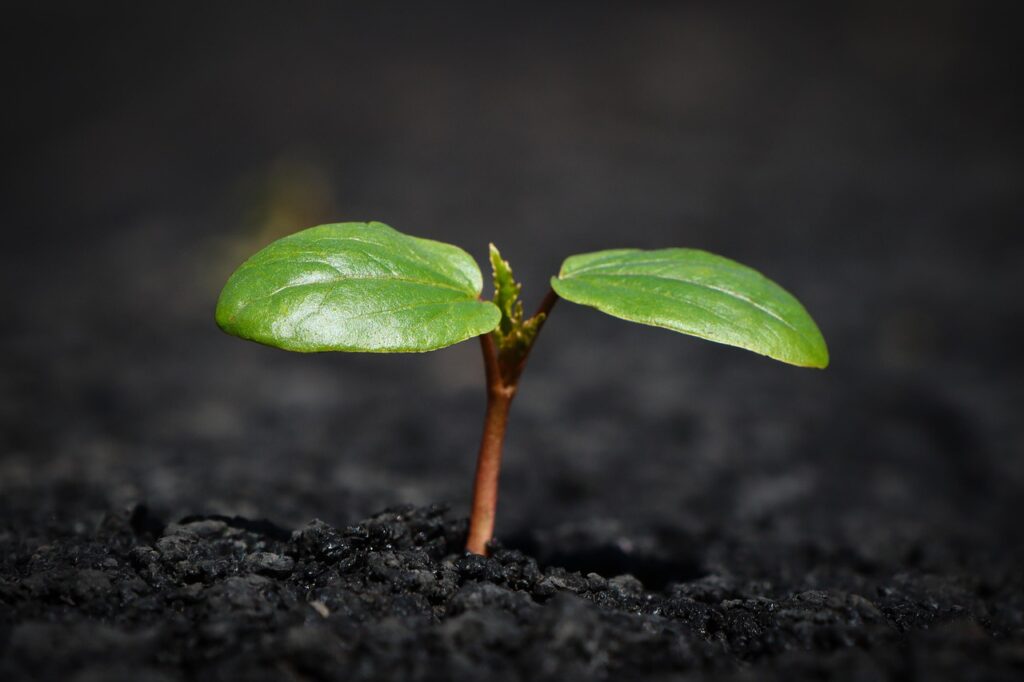
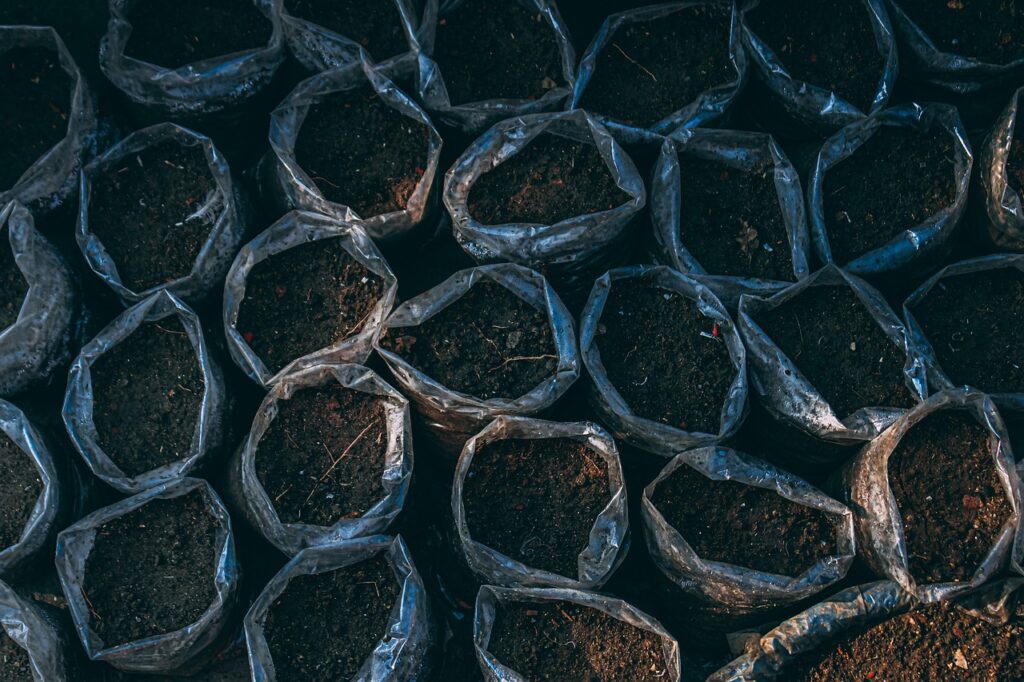
Unlike regular garden soil, bonsai soil is a carefully balanced substrate designed for container cultivation. It must drain quickly, retain enough moisture to nourish the roots, and allow oxygen to circulate freely. A well-structured soil mix prevents root rot while encouraging fine root growth, which is essential for stability and nutrient absorption.
Traditional bonsai growers often blend components such as akadama, pumice, lava rock, organic compost, and grit, but the proportions depend on the tree species, the climate, and the stage of growth.
The Essential Qualities of a Good Mix
The perfect bonsai soil should meet three basic needs:
- Drainage: Prevents waterlogging and rot.
- Aeration: Keeps roots healthy and allows beneficial microbes to thrive.
- Water Retention: Holds enough moisture between waterings without becoming soggy.
Each ingredient in the mix contributes to these functions. Akadama (a Japanese clay granule) retains moisture, pumice supports aeration, and lava rock improves drainage. When combined, they create a soil structure that’s light yet stable.
Different Soils for Different Species
Not all bonsai species prefer the same soil composition.
- Conifers such as junipers and pines thrive in fast-draining, coarse-grained soil with less organic matter.
- Deciduous trees like maples or elms prefer a mix that holds more moisture.
- Tropical bonsai (ficus, for instance) benefit from organic elements that mimic rainforest conditions.
Understanding these preferences ensures each tree’s environment mirrors its natural habitat, a key principle in bonsai artistry.
Adapting to Climate and Environment
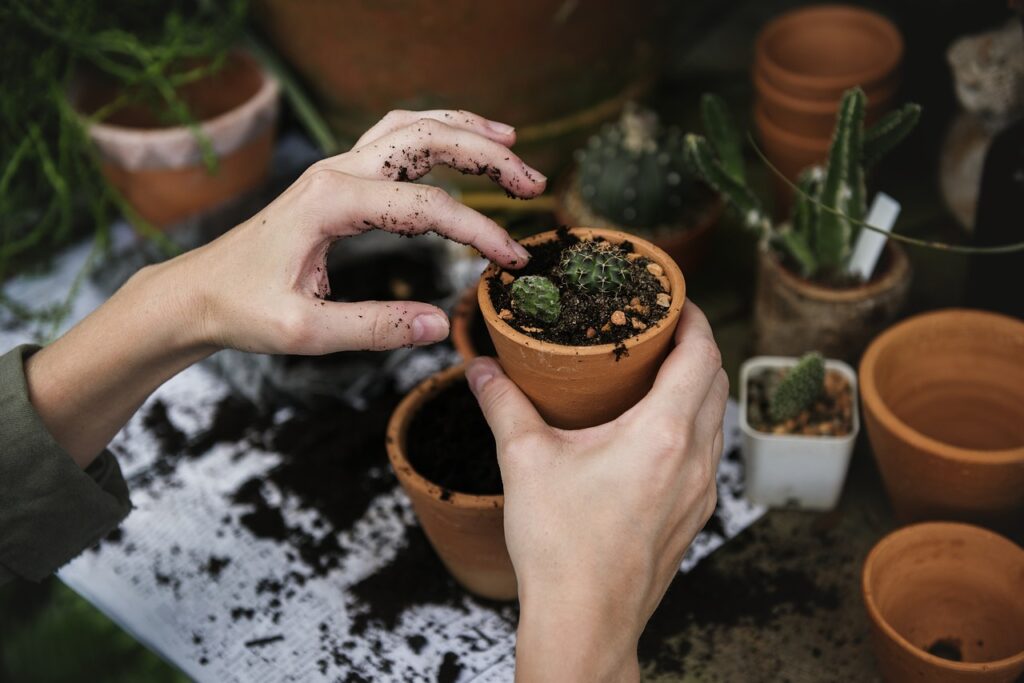
South African bonsai enthusiasts, for example, must consider the region’s warm summers and varied rainfall. A soil mix that drains well but retains moderate moisture is ideal. In dry regions, increasing the organic component can help slow evaporation, while coastal growers might opt for grittier blends to counter humidity.
Monitoring your bonsai’s response through the seasons allows fine-tuning of your mix, a process of learning that connects grower and tree more deeply.
DIY Bonsai Soil Mix
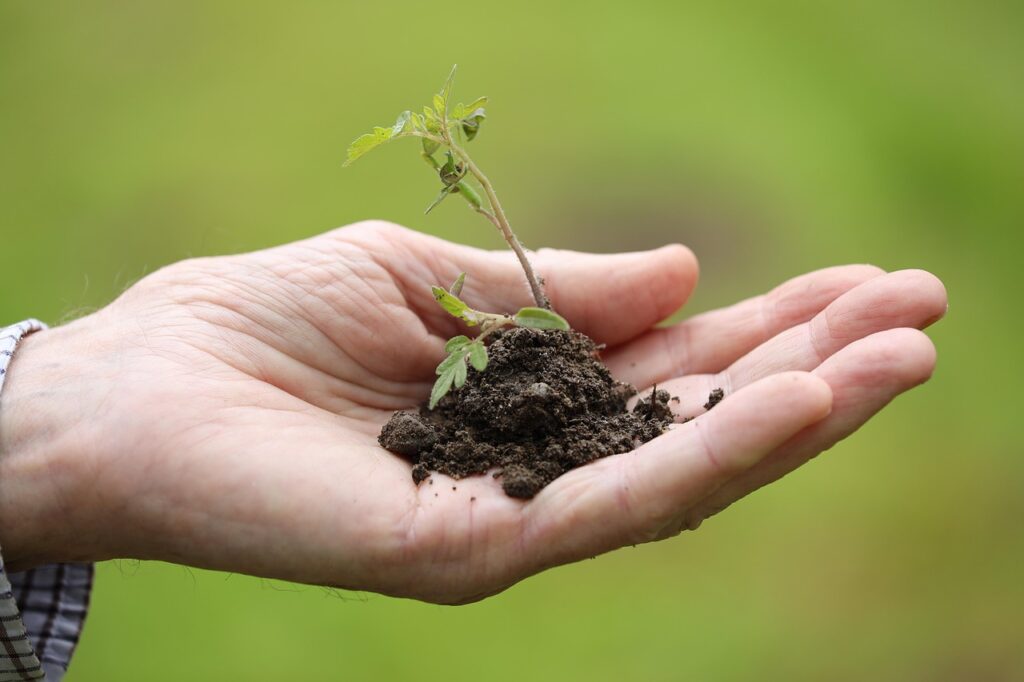
Creating your own bonsai soil blend is both practical and rewarding. A general-purpose starting point:
- 40% akadama or baked clay
- 30% pumice or perlite
- 30% lava rock or coarse grit
You can adjust the ratios to suit your tree’s needs. Always sift your components to remove dust and fine particles, which can block airflow and cause compaction.
When to Replace Bonsai Soil
Even the best soil breaks down over time. As particles compact, drainage slows, and oxygen flow reduces. Most bonsai should be repotted every one to three years, depending on species and age. Fresh soil rejuvenates the root system and allows new growth to flourish, the equivalent of a tree’s deep breath.
Growth Starts Below the Surface
Healthy bonsai begin with healthy roots, and that begins with the right bonsai soil. It’s a living ecosystem that supports balance, beauty, and longevity. Whether you mix your own or buy pre-prepared blends, choosing the correct soil is one of the most rewarding skills a bonsaist can master.
In the art of bonsai, success always starts from the ground up.