
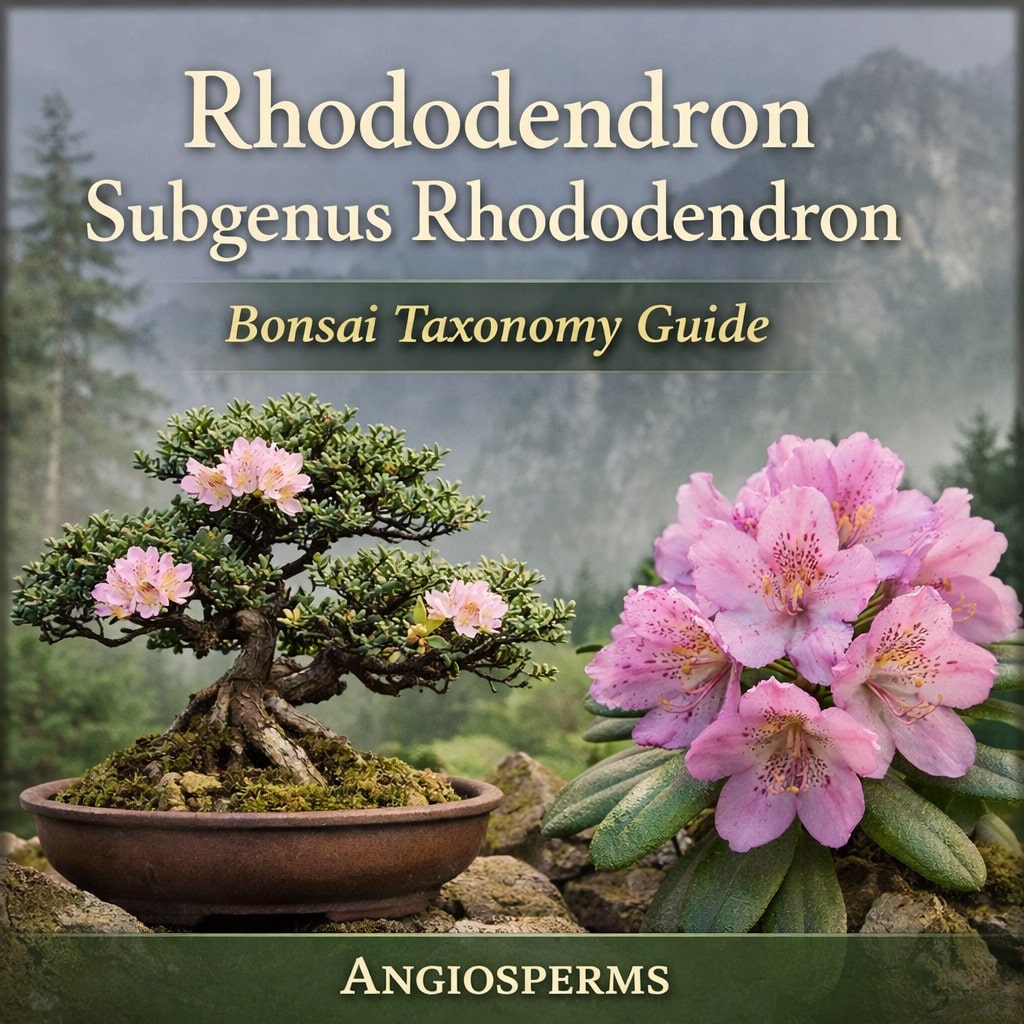
Rhododendron Subgenus Rhododendron Taxonomy Guide
Explore subgenus Rhododendron, from its evolutionary history and defining lepidote traits to geographic distribution and selective use in horticulture and bonsai.
Explore subgenus Rhododendron, from its evolutionary history and defining lepidote traits to geographic distribution and selective use in horticulture and bonsai.
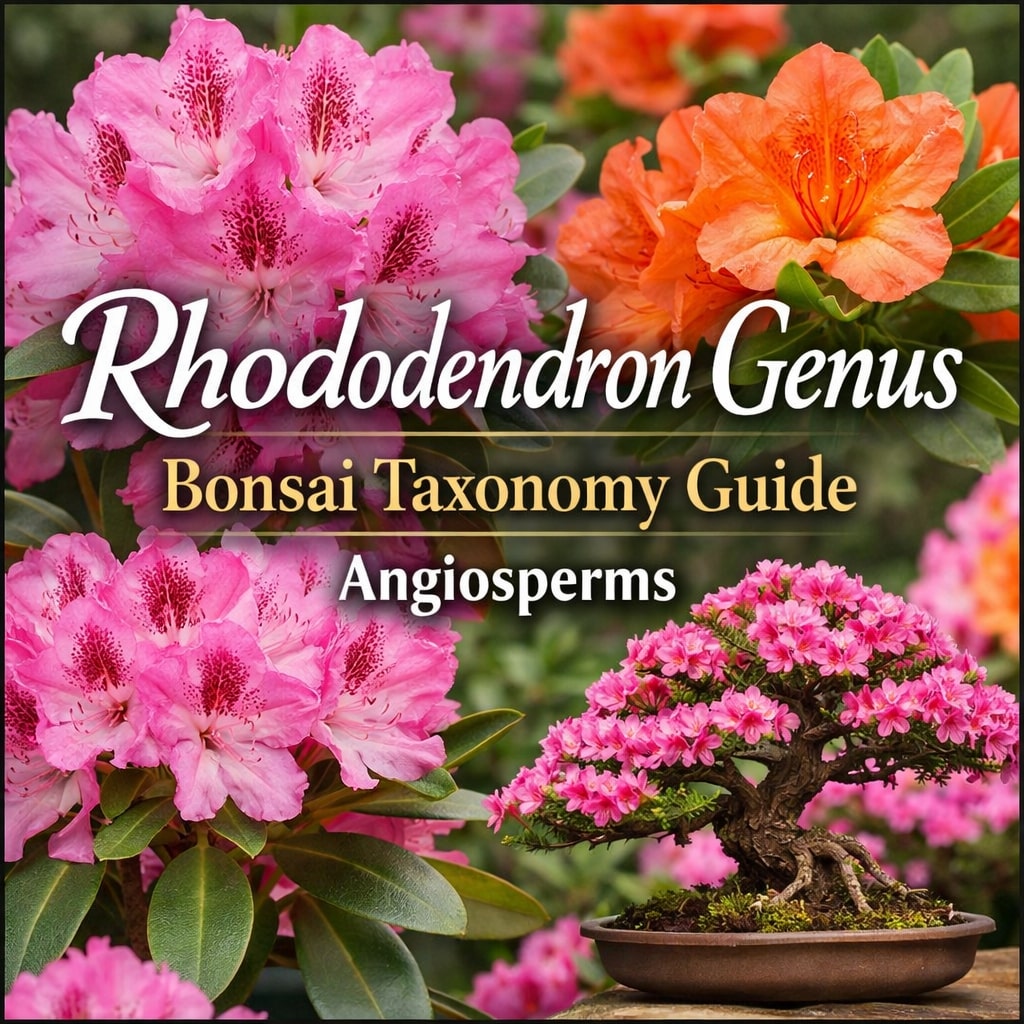
An in-depth taxonomy guide to the Rhododendron genus, exploring its evolution, defining characteristics, subgenera, species diversity, and role in bonsai and horticulture.
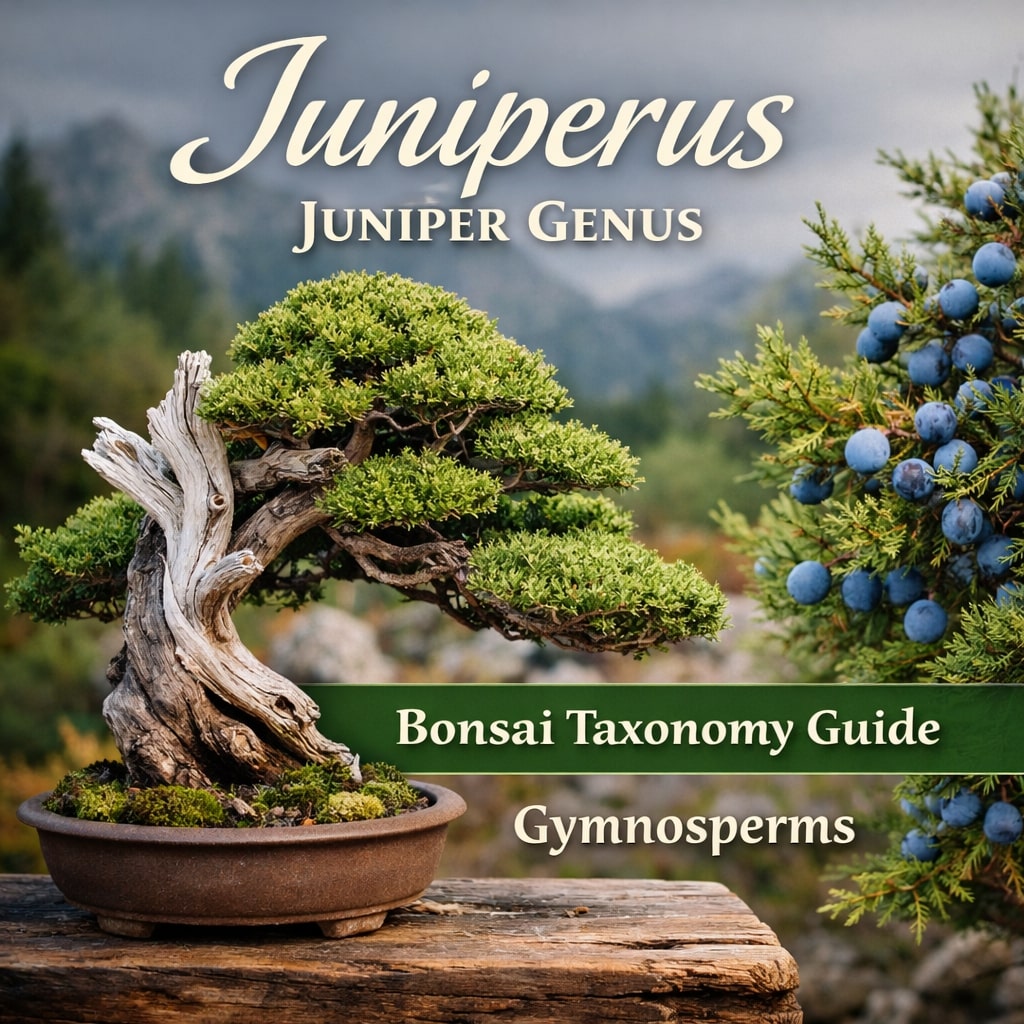
An in-depth guide to the Juniperus genus, exploring its taxonomy, evolution, defining features, species diversity, and importance in bonsai, horticulture, and cultivation.
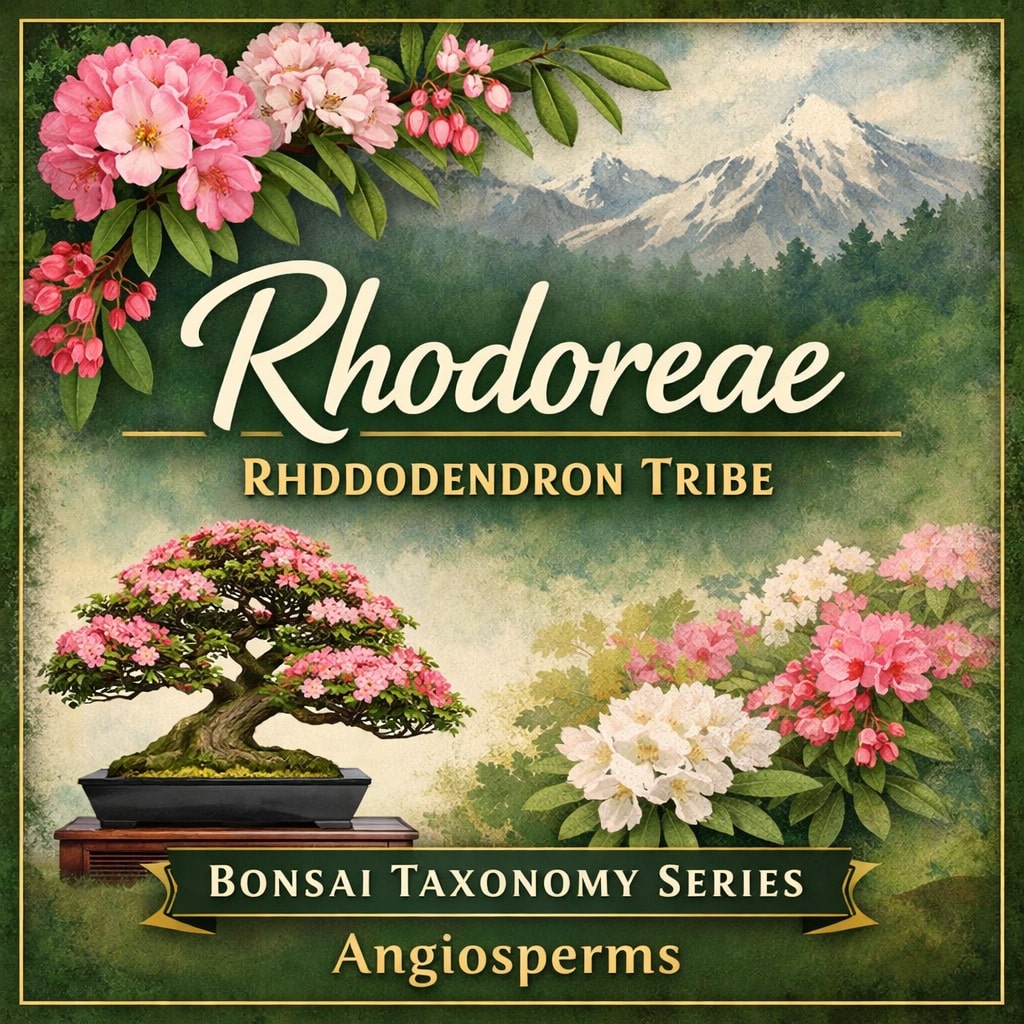
Rhodoreae, the Rhododendron tribe, is a unique Ericaceae lineage defined by deep evolutionary history, global distribution, and major horticultural and bonsai importance.
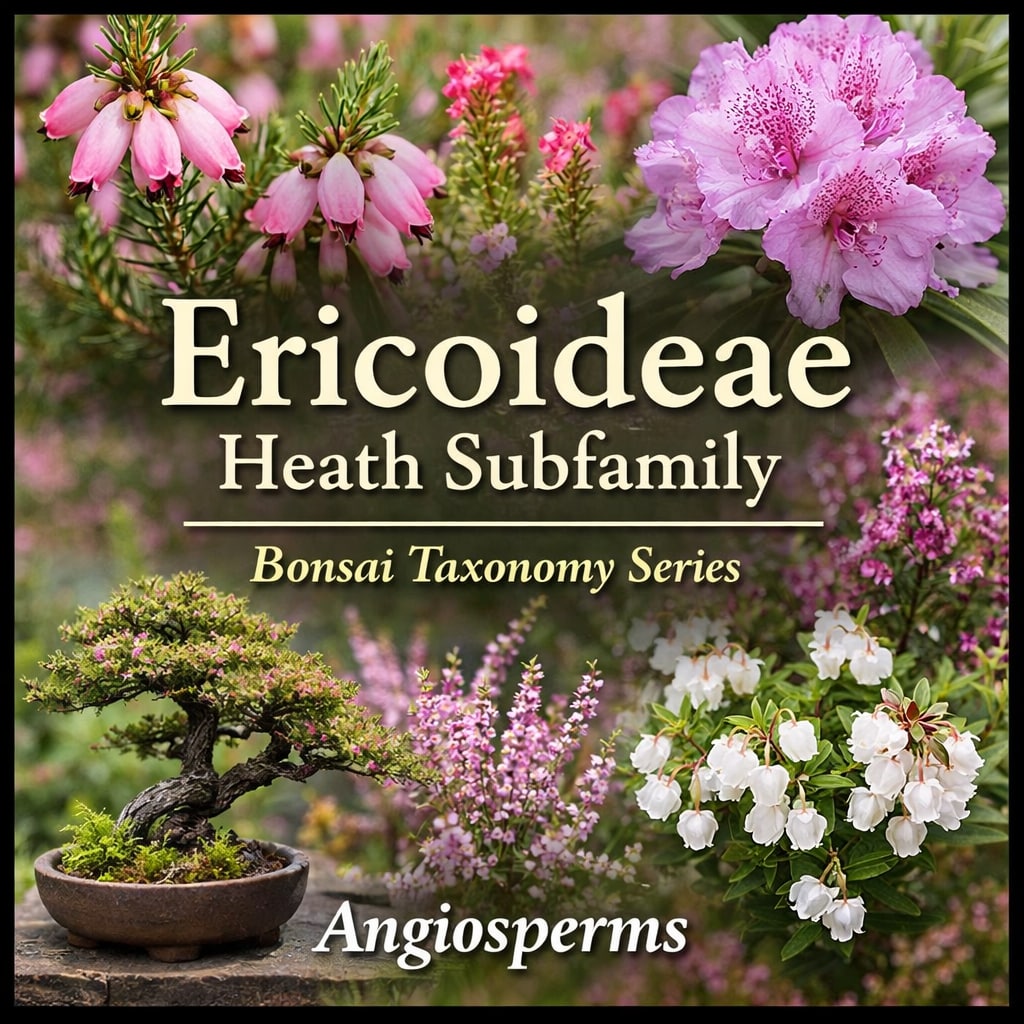
An in-depth taxonomy guide to Ericoideae, the heath subfamily, including its characteristics, tribes, genera, and cultivation relevance.
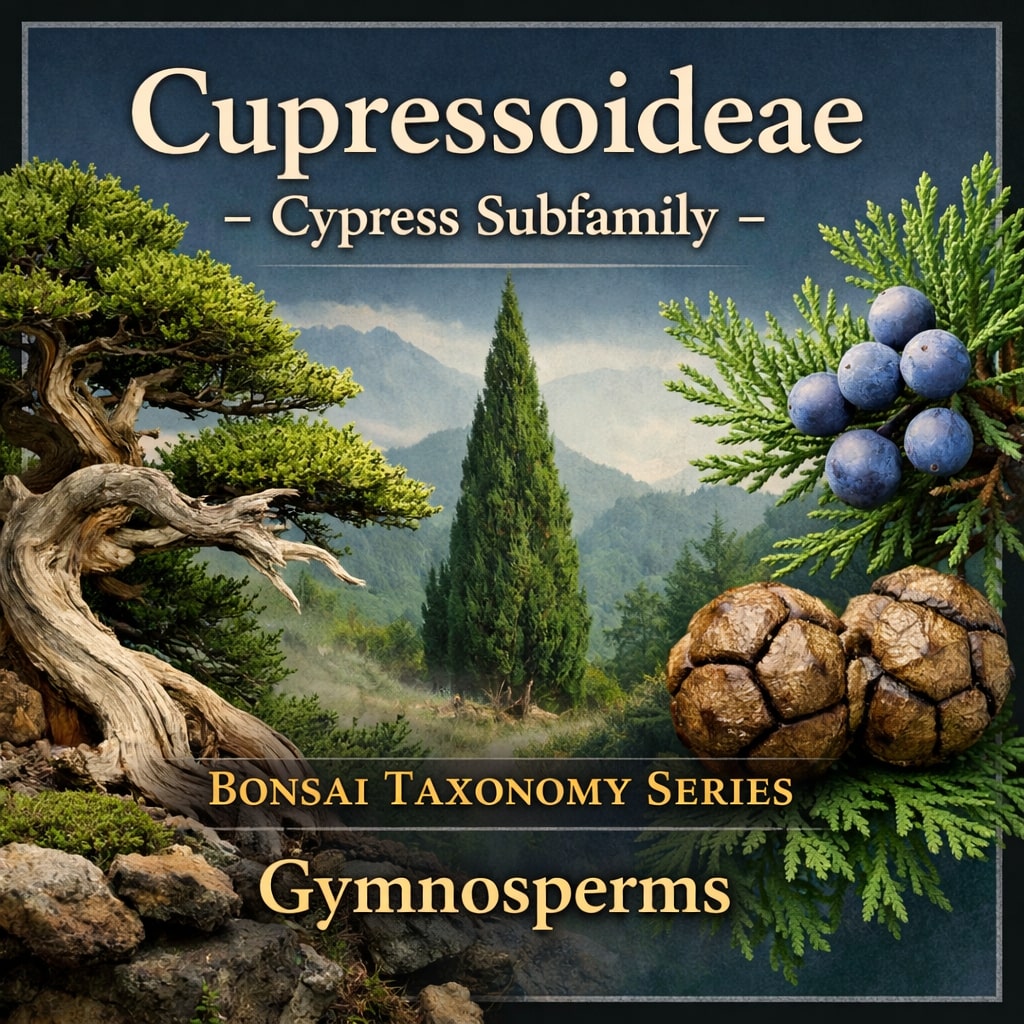
An overview of Cupressoideae, the cypress subfamily, covering its taxonomy, evolution, key traits, and importance in cultivation.
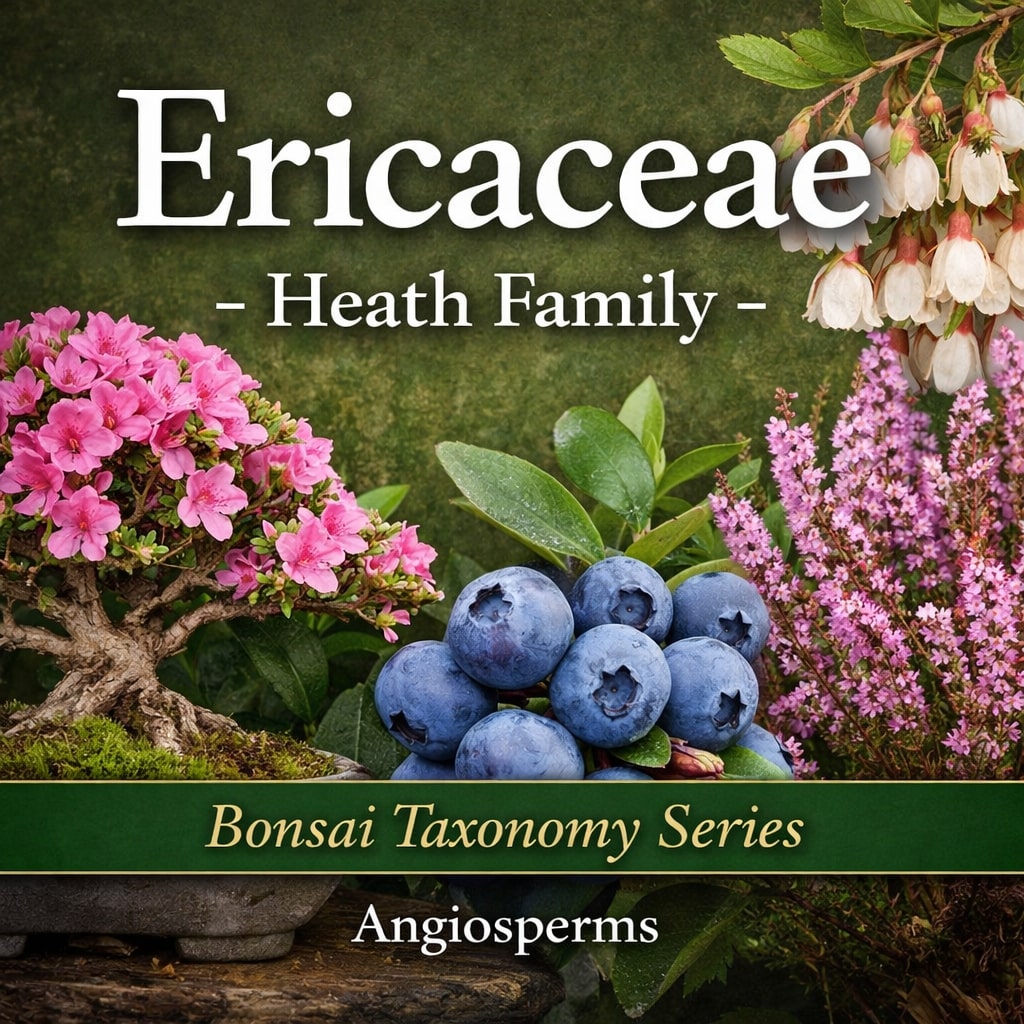
Ericaceae, the heath family, includes azaleas, rhododendrons, heathers, and blueberries, known for acid-loving traits, specialised ecology, and a central role in flowering bonsai.
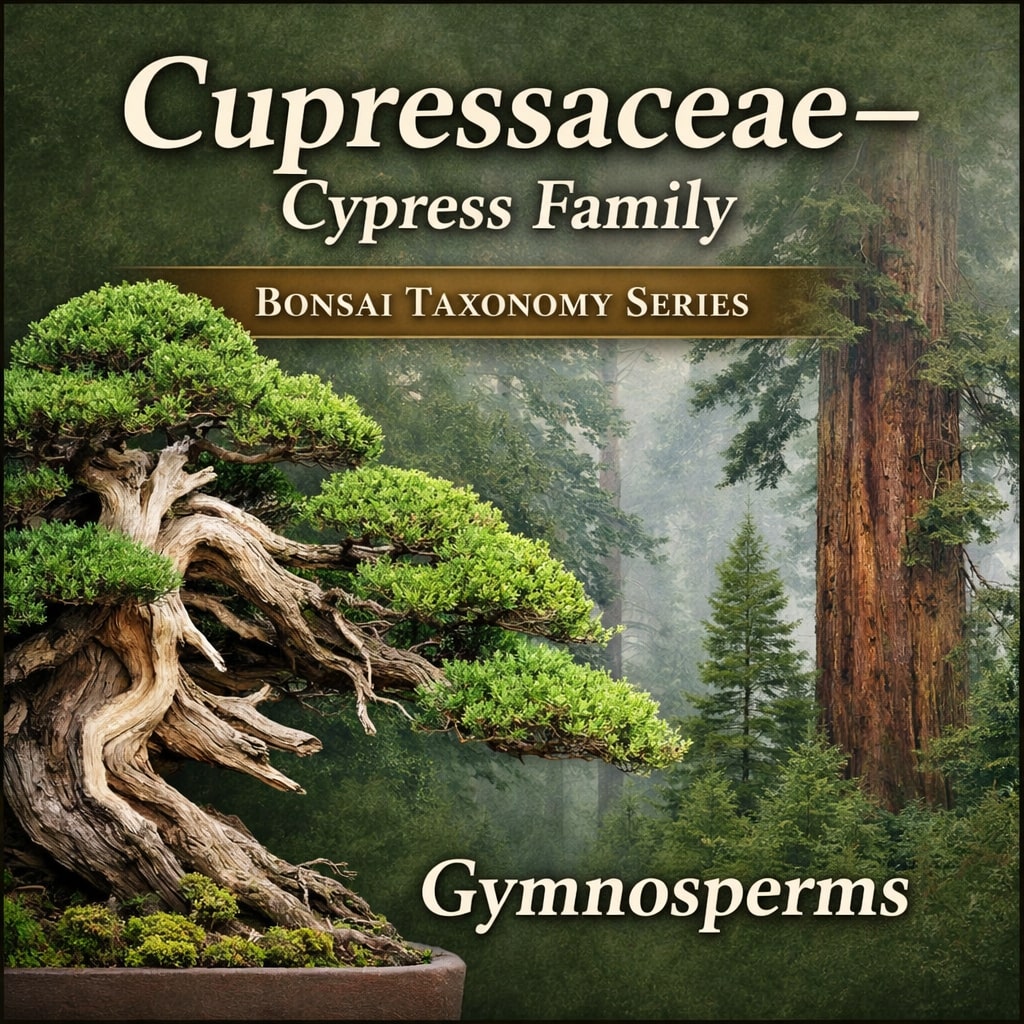
Cupressaceae, the cypress family, includes junipers, cypresses, and redwoods, prized for their resilience, longevity, and central role in evergreen bonsai cultivation.
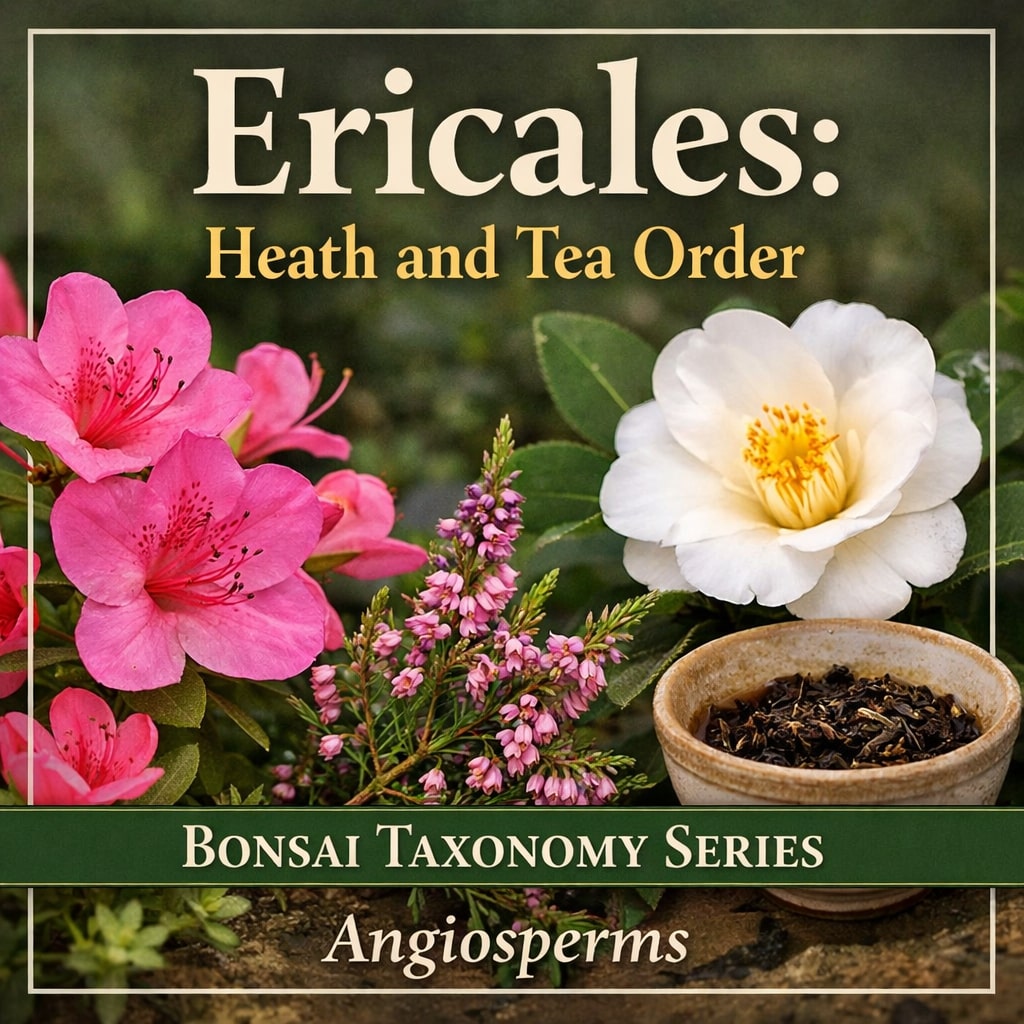
Ericales is the plant order that unites acid-loving ornamentals such as azaleas, camellias, and heathers, shaping their soil preferences, growth habits, and cultivation needs.
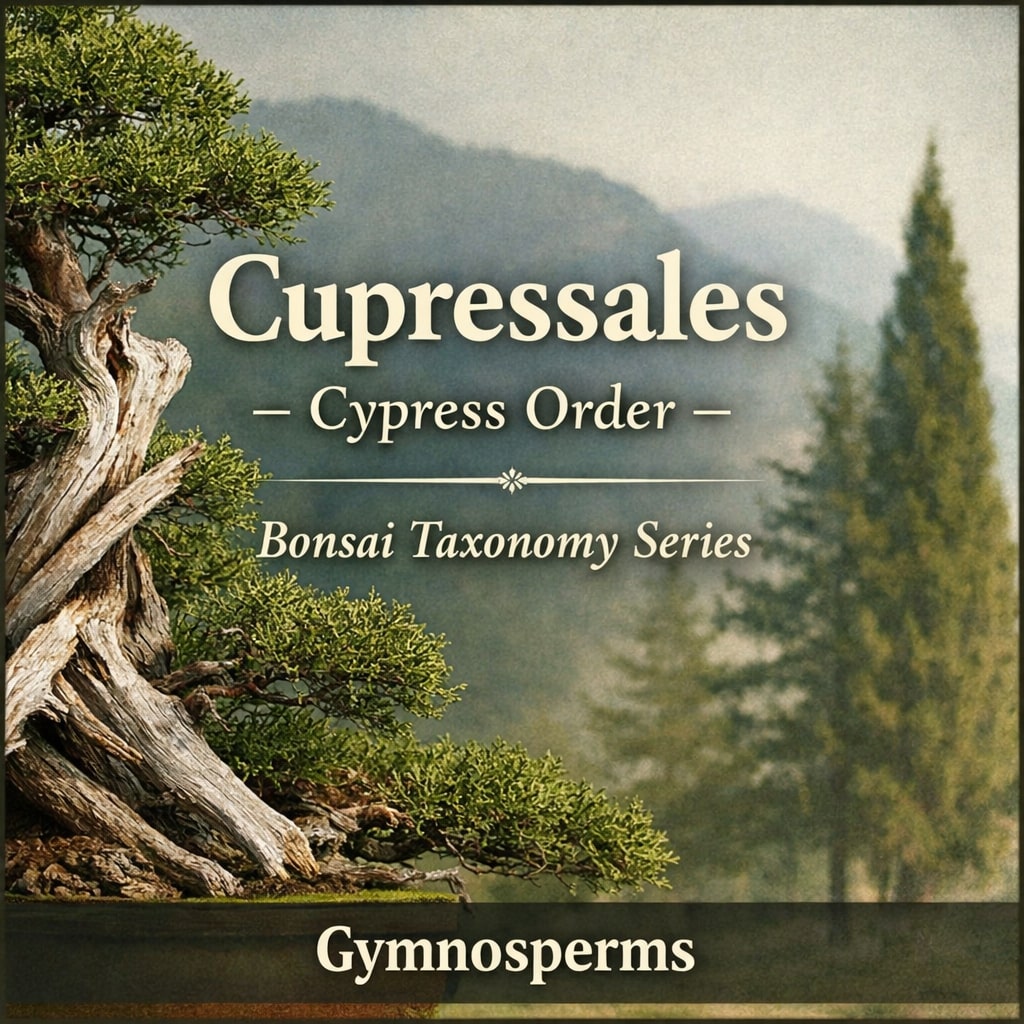
Cupressales is the evergreen conifer order that underpins bonsai, bringing together resilient, long-lived species prized for structure, character, and long-term refinement.