
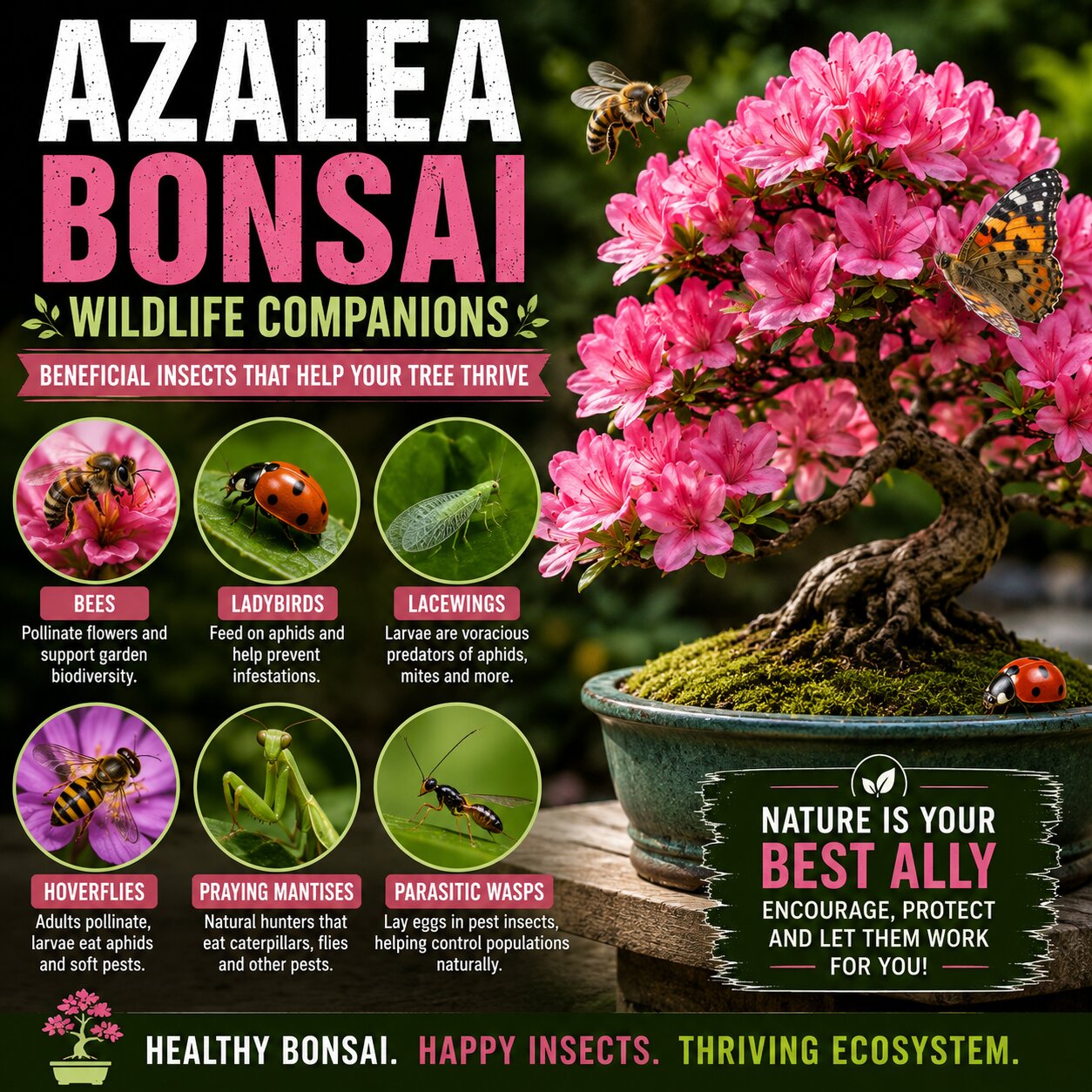
An azalea bonsai is far more than an ornamental tree. When grown outdoors or placed in a suitable garden environment, it becomes part of a miniature ecosystem that attracts a variety of beneficial insects. Understanding azalea bonsai wildlife companions helps bonsai enthusiasts create healthier growing conditions while reducing reliance on chemical pest control.
Many insects are naturally drawn to azaleas because of their flowers, foliage, or surrounding environment. While some can become pests, many others serve important roles as pollinators or natural predators that keep harmful insect populations under control. Encouraging these beneficial visitors contributes to a balanced and thriving bonsai collection.
Why Beneficial Insects Matter
Healthy ecosystems rely on diversity.
Beneficial insects pollinate flowers, prey on destructive pests, improve biodiversity, and contribute to healthier garden environments. They help maintain natural balance, reducing outbreaks of aphids, scale insects, mites, caterpillars, and other common bonsai pests.
When considering azalea bonsai wildlife companions, it’s important to remember that not every insect visiting your tree is a threat. Many are actually working to protect it.
Creating an insect-friendly environment often leads to stronger, healthier bonsai over the long term.
Bees: Essential Pollinators
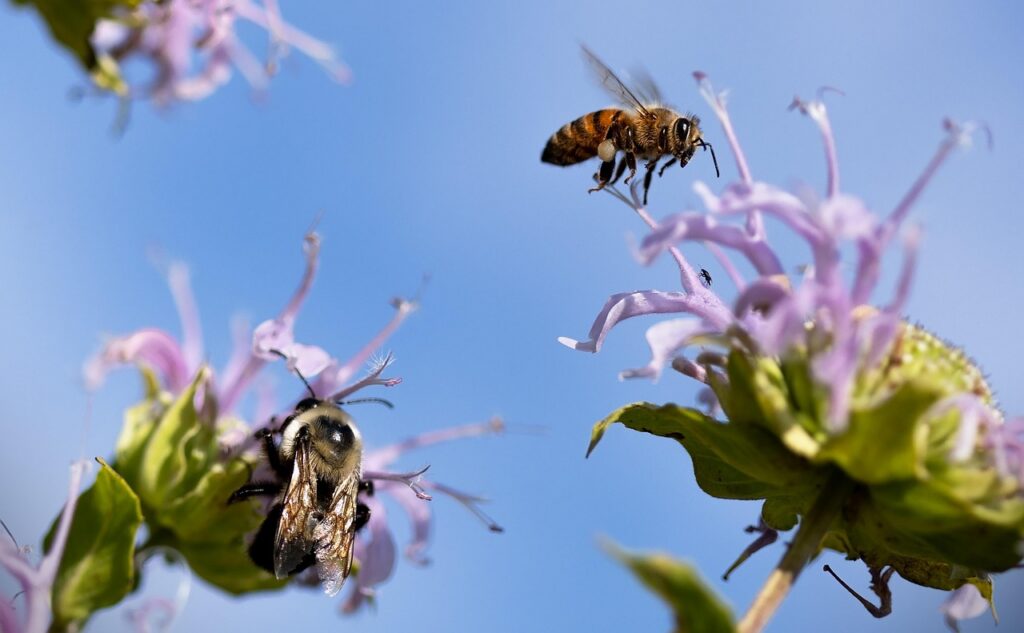
When azalea bonsai bloom, bees are often among the first visitors.
Honeybees, solitary bees, and native bee species are attracted to the colourful flowers, collecting nectar and pollen while helping pollinate nearby flowering plants.
Although pollination is not always necessary for ornamental bonsai, bees contribute significantly to garden biodiversity and support surrounding ecosystems.
Avoid spraying insecticides while your azalea is flowering to protect these valuable pollinators.
Ladybirds (Ladybugs): Natural Aphid Hunters
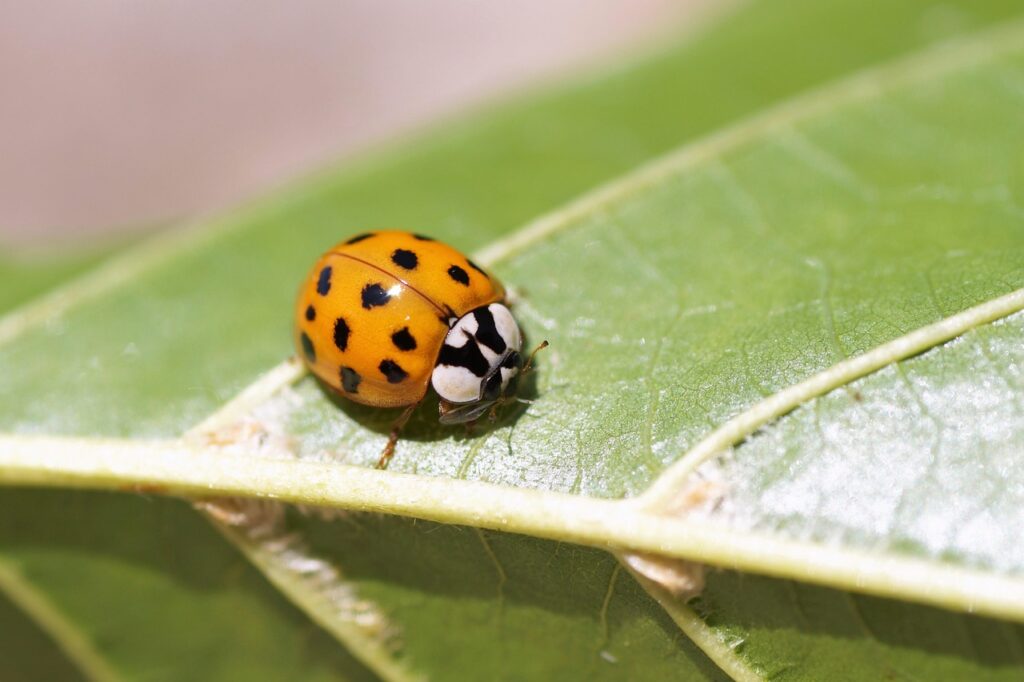
Ladybirds are among the most valuable azalea bonsai wildlife companions.
Both adults and larvae feed voraciously on aphids, one of the most common pests affecting azaleas.
A single ladybird can consume dozens of aphids every day, helping prevent infestations before they become serious.
Encouraging ladybird populations through diverse planting and avoiding broad-spectrum pesticides benefits not only azaleas but your entire garden.
Lacewings: Gentle but Effective Predators
Green lacewings are another welcome visitor.
While the adults feed mainly on nectar and pollen, their larvae—often called aphid lions—are highly effective predators.
They consume:
- Aphids
- Mealybugs
- Whiteflies
- Thrips
- Spider mites
- Small caterpillars
These insects quietly patrol foliage and provide excellent natural pest management.
Hoverflies: Pollinators and Pest Controllers
Hoverflies resemble small bees or wasps but are harmless.
Adults feed on nectar, making them excellent pollinators during flowering season.
Their larvae, however, are exceptional predators of aphids and other soft-bodied insects.
Planting companion flowers near your bonsai display area can help attract hoverflies throughout the growing season.
Their dual role as pollinators and predators makes them one of the best azalea bonsai wildlife companions.
Praying Mantises and Predatory Wasps
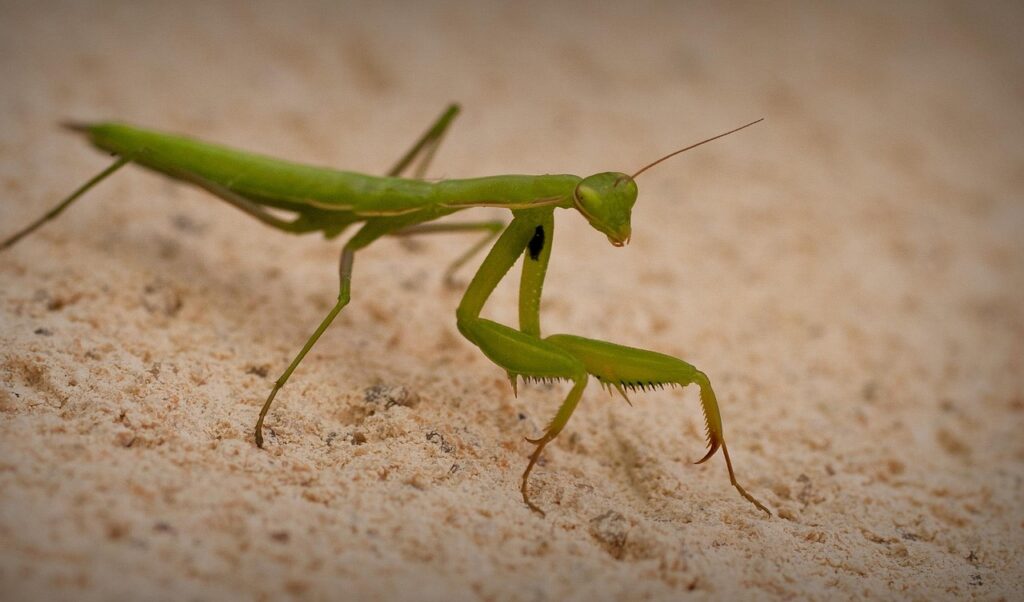
Although less common, praying mantises occasionally visit outdoor bonsai collections.
These patient hunters feed on flies, caterpillars, moths, beetles, and other insects that may damage nearby plants.
Similarly, many tiny parasitic wasps lay eggs inside pest insects such as caterpillars or aphids.
While almost invisible to gardeners, these wasps play a crucial role in natural biological control.
Both predators contribute to healthier outdoor bonsai collections without harming the plants themselves.
Butterflies and Moths
Butterflies are often attracted to blooming azaleas because of their nectar-rich flowers.
Although adult butterflies provide valuable pollination services, some moth species may lay eggs whose caterpillars feed on leaves.
Fortunately, healthy bonsai rarely suffer significant damage, and natural predators usually keep caterpillar numbers under control.
Maintaining biodiversity helps preserve this balance naturally.
Creating a Wildlife-Friendly Bonsai Environment
Encouraging beneficial insects begins with responsible gardening.
Avoid unnecessary pesticide use, provide flowering companion plants throughout the year, maintain clean water sources, and preserve small natural habitats around your bonsai growing area.
Native flowering plants are especially effective at attracting local pollinators and predatory insects.
Healthy soil, proper watering, and good plant health also make your bonsai more resilient against pests, allowing beneficial insects to work more effectively.
Rather than eliminating every insect, aim to support a balanced ecosystem where predators naturally regulate pest populations.
Living in Harmony with Nature
Understanding azalea bonsai wildlife companions reminds us that bonsai cultivation is about more than shaping beautiful trees. It also involves nurturing the natural relationships that keep plants healthy and thriving.
By welcoming bees, ladybirds, lacewings, hoverflies, praying mantises, and other beneficial insects into your garden, you create a miniature ecosystem that supports your azalea bonsai naturally.
For more help identifying your tree, caring for it throughout the seasons, and choosing the right growing techniques, explore our complete collection of azalea species guides to help you better understand and care for your bonsai.