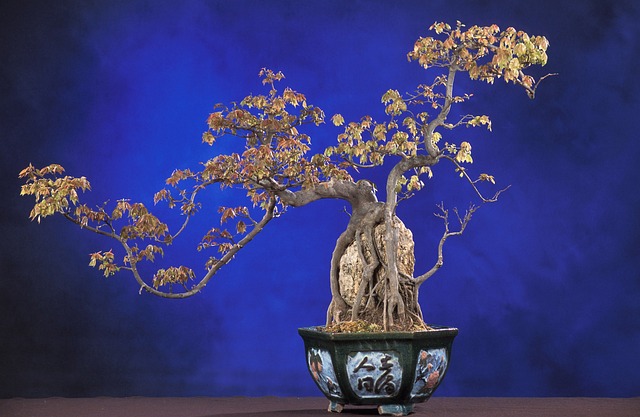
Bonsai tree therapy is a holistic, nature-based approach that nurtures emotional balance, mindfulness and wellbeing through the slow, intentional care of miniature trees. While many people associate bonsai with artistic styling or quiet meditation, the therapeutic benefits go much deeper. From reducing stress and anxiety to improving focus and emotional awareness, bonsai tree therapy creates a grounding connection between the grower and the living world in their hands.
This guide explores how bonsai can be used as a meaningful therapeutic practice and how you can incorporate it into your daily life.
Table of Contents
Understanding Bonsai Tree Therapy
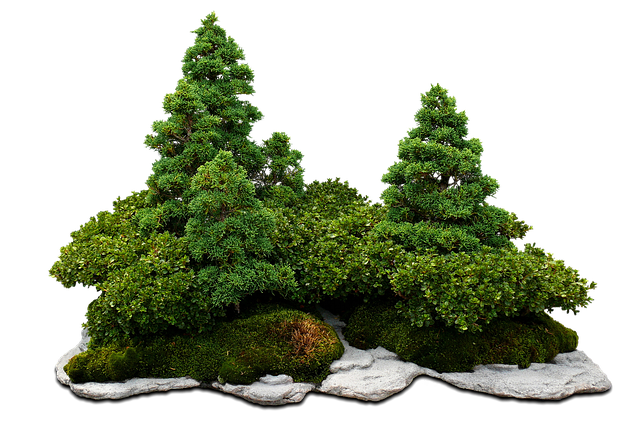
At its core, bonsai tree therapy is the practice of using bonsai care as a therapeutic tool. Through watering, pruning, shaping, observing growth patterns and engaging with the natural rhythms of the tree, practitioners uncover a gentle path toward calmness, presence and emotional restoration.
Unlike traditional meditation, which focuses primarily on stillness, bonsai tree therapy offers active mindfulness. You engage with a living organism that reflects your attention, patience and care over time.
Therapeutic benefits include:
- Reduced stress and anxiety
- Improved emotional regulation
- Enhanced focus and concentration
- A deeper connection to nature
- A sense of achievement through gentle creative expression
Connecting with Nature Through Daily Care
One of the most powerful aspects of bonsai tree therapy is the daily interaction with natural processes. Even small tasks (misting leaves, checking soil moisture, observing new buds) shift your attention away from mental clutter.
This natural connection:
- Grounds your thoughts
- Slows your breathing
- Encourages gentle routine
- Creates small, meaningful rituals
These simple, repetitive actions become anchors throughout the day. In a fast-paced world, tending to a bonsai is a reminder that growth doesn’t need to be rushed.
Emotional Awareness Through Creative Expression
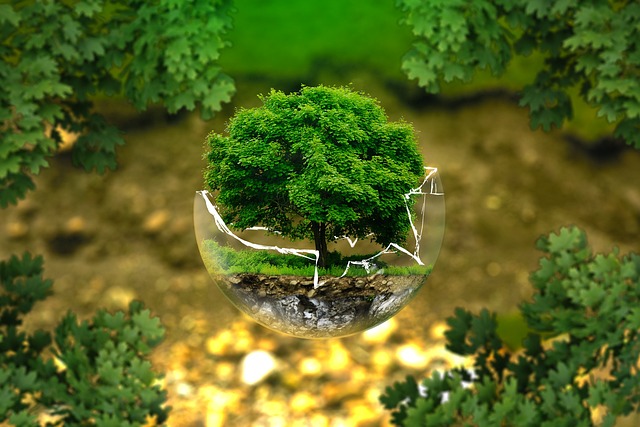
Bonsai styling is a subtle, expressive art and a powerful therapeutic outlet. Shaping a tree allows you to externalise emotion in a safe, controlled way. The decisions you make in styling reflect your thoughts, feelings and internal state.
Through bonsai tree therapy, creative expression provides:
- Emotional release
- Personal exploration
- A sense of control
- A growing symbol of resilience
Unlike traditional artistic mediums, bonsai is alive, evolving alongside you. This shared journey helps people process emotions, especially during major life transitions or stressful seasons.
Mindfulness Without Stillness
Mindfulness is widely associated with sitting meditation, but many people struggle with quiet stillness. Bonsai offers a more accessible pathway.
Bonsai tree therapy cultivates mindfulness through activity, a method that works well for individuals who prefer tactile, hands-on experiences.
Bonsai meditation can be incorporated, but this guide focuses on broader therapeutic engagement. Meditation becomes one tool, not the entire practice.
Mindfulness is developed as you:
- Focus on fine details
- Notice changes in growth
- Make slow, deliberate movements
- Remain present in each task
These experiences encourage the same mental clarity as meditation without requiring complete stillness.
Building Patience and Long-Term Perspective
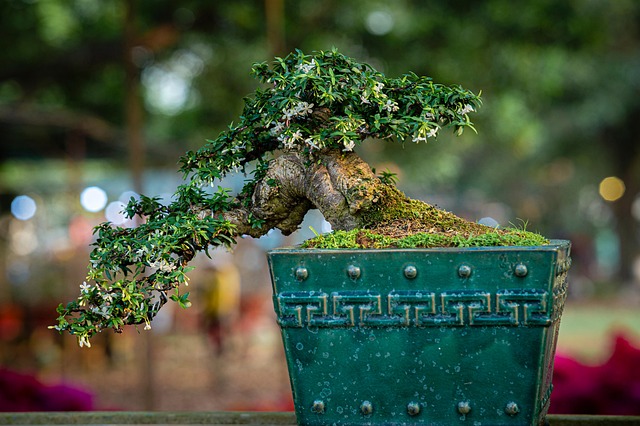
Bonsai is not a hobby of instant results. Trees may take months or years to develop into your vision, which is part of the beauty of bonsai tree therapy.
It teaches:
- Patience
- Letting go of control
- Accepting imperfection
- Finding joy in slow progress
This long-term perspective becomes a metaphor for personal growth. Just as the tree strengthens over time, so do you.
Stress Relief Through Ritual and Routine
Routine is deeply comforting to the human mind. Bonsai care provides a rhythm that breaks cycles of stress, worry or mental fatigue.
Therapeutic routines include:
- Morning checks for moisture and new growth
- Quiet evening pruning or shaping sessions
- Weekly care rituals like repotting or cleaning tools
These small rituals become moments of stability, ideal for individuals dealing with anxiety, burnout or overwhelming life schedules.
Social Connection and Community Support
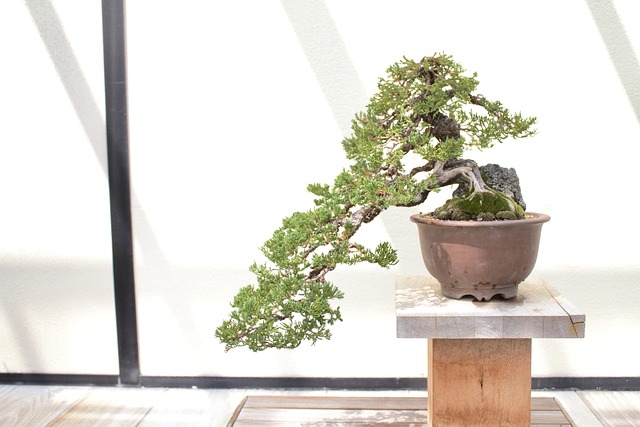
Bonsai is often seen as a solitary practice, but community plays a meaningful role in bonsai tree therapy.
Engaging with bonsai clubs, online groups or local workshops offers:
- Supportive social interaction
- Shared learning
- Inspiration and encouragement
- A sense of belonging
For many growers, the community becomes just as therapeutic as the trees themselves.
Using Bonsai as a Reflective Tool
Your bonsai often mirrors aspects of your own emotional landscape. When the tree struggles, you may reflect on whether your own routine has slipped. When it thrives, you feel a sense of shared achievement.
Reflective benefits include:
- Increased self-awareness
- Insights into personal habits
- More intentional emotional responses
Over time, the tree becomes a living journal of your internal growth.
Healing through Bonsai Tree Therapy
Bonsai tree therapy is a gentle, natural and deeply rewarding approach to emotional wellbeing. Through patient care, creative shaping, daily rituals and mindful engagement, bonsai becomes far more than a hobby; it becomes a grounding force that brings balance, clarity and joy into everyday life.