
The multitrunk style is one of the most natural and visually striking bonsai styles. Instead of a single dominant trunk, the tree grows with several trunks emerging from one root system, creating the look of a small forest or a naturally spreading grove. This approach mirrors the way many species grow in the wild, where multiple shoots rise from the same base after storms, grazing damage or natural regeneration.
For bonsai artists, the multitrunk style offers a chance to create depth, movement and visual balance within a single tree. It is ideal for beginners who want a forgiving yet impressive design, and equally rewarding for advanced artists looking to refine structure and proportion.
Table of Contents
What Defines the Multitrunk Style?
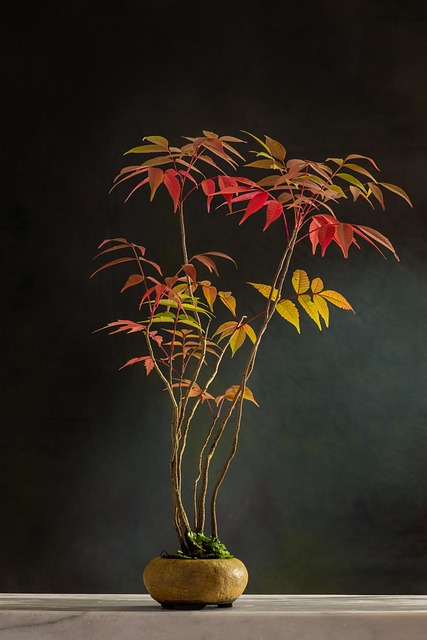
In the multitrunk style, all trunks share a single root mass, which creates unity and cohesion in the design. Each trunk varies in height and width, giving the tree a natural sense of maturity and organic growth. The tallest trunk usually represents the “parent” or dominant leader, while smaller trunks add harmony and balance.
A key characteristic of the multitrunk bonsai style is its ability to mimic a miniature woodland environment. The trunks should not appear cloned or identical. Instead, they should feel unique yet related, creating a composition that flows smoothly from base to apex. This balance is what makes the style so captivating.
How to Create a Multitrunk Style Bonsai

Creating a multitrunk style bonsai can be a rewarding experience, especially if you enjoy designing natural, woodland-inspired compositions. Whether you are starting with young nursery stock or encouraging new growth from an established stump, the process is accessible for beginners and flexible enough for experienced artists to refine.
The goal is to establish harmony among several trunks emerging from one root system while keeping the design organic and balanced.
Below is a step-by-step guide to help you create your own multitrunk style bonsai:
Step 1: Choose suitable plant material
Select a species known for producing multiple shoots from the base, such as maples, elms, olives or ficus. Look for nursery stock with several stems already emerging, or a healthy stump capable of sprouting new growth.
Step 2: Establish the main trunk hierarchy
Identify the tallest and thickest trunk, which will serve as the dominant leader. The remaining trunks should vary naturally in height and thickness. Avoid choosing trunks that appear too evenly matched.
Step 3: Prepare the root base
Expose the nebari (surface roots) to ensure all trunks clearly emerge from the same root mass. Gently remove any crossing roots or small shoots that distract from the composition.
Step 4: Select and space your trunks
Position the tree at an angle that offers the most natural spread. If working from a stump or cutting, allow new shoots to grow, then select only the trunks that complement each other. Trunks should radiate outward slightly, not inward.
Step 5: Prune for proportion and structure
Trim branches to emphasise the hierarchy of the trunks. Keep the dominant trunk slightly more developed, while the smaller trunks remain shorter and lighter. This creates depth and flow in the final design.
Step 6: Shape the canopy
Use gentle wiring and pruning to define individual crown areas while maintaining a unified overall canopy. The goal is soft layering rather than one large mass of foliage.
Step 7: Repot into a suitable container
Choose a shallow, wide pot that accommodates the horizontal spread. Neutral colours like cream, grey or subtle browns work well, drawing attention to the trunks rather than the pot.
Step 8: Maintain balance through seasonal care
Continue to prune selectively, encouraging back-budding and preventing any single trunk from overpowering the others. Seasonal root pruning, feeding and positioning will keep the tree healthy and visually balanced.
Choosing the Right Species for the Multitrunk Style
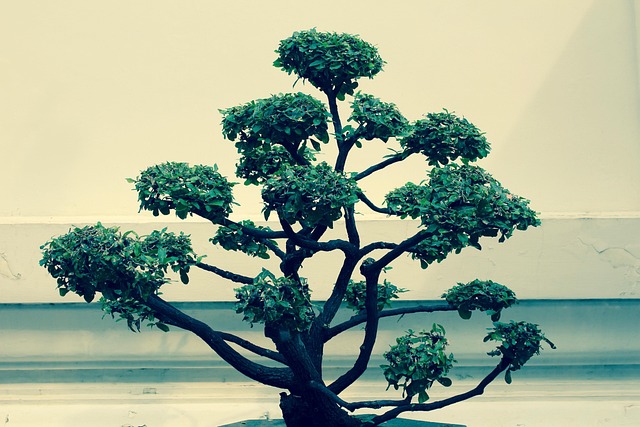
Some tree species naturally lend themselves to producing multiple shoots, making them ideal candidates for the multitrunk style. Popular choices include maples, elms, olives and ficus. These species respond well to pruning and back-budding, which helps generate new trunks when shaping your design.
Hardwood species with the ability to sprout from the base are especially suited for this style. When selecting a plant, look for nursery stock with multiple stems already emerging from the root base, or a strong stump that can produce new shoots with proper encouragement.
Trunk Arrangement and Design Principles
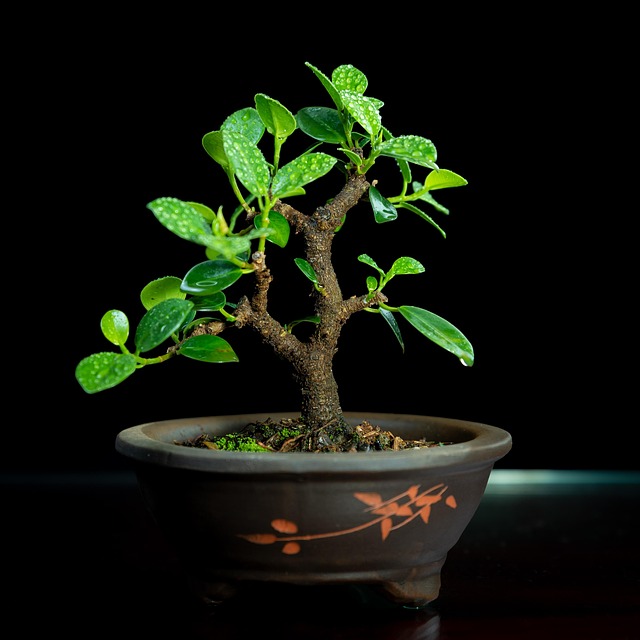
A successful multitrunk style depends on thoughtful spacing and proportion. The trunks should not be evenly spaced or arranged in perfect symmetry. Instead, they should feel organic, with slight variations in angle and distance. This creates a sense of maturity and realism.
The design generally follows a triangular outline, with the tallest trunk forming the apex and the smaller trunks stepping down naturally. Avoid crossing trunks or placing them so close that they merge visually. Each trunk must have breathing room, which gives the overall structure depth and dimension.
Developing Foliage Structure
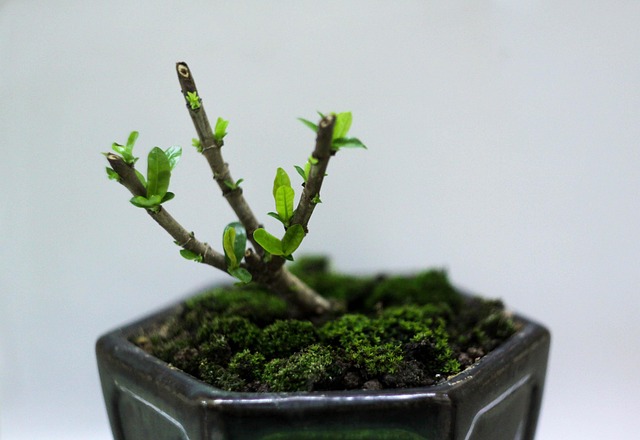
Foliage in the multitrunk style should form a unified canopy that still allows each trunk to express its individual character. The canopy works best when it forms soft layers rather than one large flat mass. Pruning regularly helps maintain separation while promoting healthy ramification.
It is essential to keep the lower areas open to showcase the multiple trunks. Crowding the base with excessive foliage can hide the beauty of the structure and weaken the style’s impact. Balanced, airy foliage maintains the integrity of the design.
Pot Selection for the Multitrunk Style
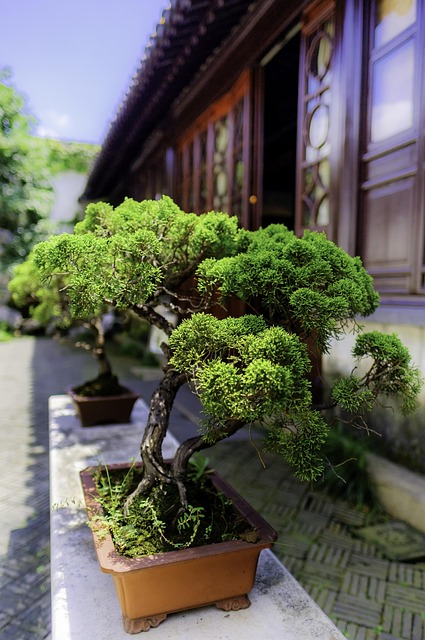
A wide, shallow pot often works best for a multitrunk style bonsai. The extra width gives enough space to showcase the spread of the trunks, while the shallow depth highlights the shared root base. Colours should remain neutral or earthy to avoid distracting from the natural composition.
Remember that multitrunk trees visually occupy more horizontal space than traditional single-trunk designs. The pot should complement this by offering stability and harmony without overwhelming the display.
Common Mistakes to Avoid
When working with the multitrunk style, beginners often fall into predictable traps that can weaken the overall design. Recognising these mistakes early can save years of correction and help you shape a more natural and balanced composition.
Here are the most common issues to watch out for:
- Uniform trunk height: When all trunks grow to the same height, the tree loses depth and visual flow. Variation is essential. One trunk should remain dominant, with others stepping down naturally in size.
- Trunks with identical thickness: If the trunks are too similar in width, the bonsai appears artificial. Allow some trunks to mature more fully while keeping others slender and youthful.
- Overcrowding the base: Too many trunks can create a cluttered, confusing design. Aim for three to seven trunks depending on the tree’s scale. Each trunk should have enough space to stand out.
- Crossing trunks or branches: Crossed trunks disrupt the natural harmony of the style and make the tree look tangled. Each trunk should lean outward gently, creating movement rather than conflict.
- Hiding the base with foliage: Dense foliage near the soil line can conceal the beauty of the multiple trunks. Keep the lower areas open to showcase the shared root structure.
- Ignoring taper: Good taper enhances realism. Avoid thick upper sections or trunks that look cylindrical from base to top. Gentle taper gives the tree age and elegance.
- Flat or uniform canopy: A multitrunk bonsai should not have one solid canopy mass. Maintain soft layers and separation between crown areas to highlight each trunk’s character.
Why the Multitrunk Style Appeals to Artists
The multitrunk style offers a unique blend of structure and artistic freedom. It allows bonsai creators to design a scene rather than a single tree, transforming a simple plant into a miniature landscape. This style also teaches valuable lessons in balance, spacing and proportion.
For many hobbyists, the emotional appeal lies in its natural beauty. The multiple trunks rising from one source evoke resilience, unity and the sense of a thriving ecosystem in miniature form.
A Style Full of Life and Expression
The multitrunk style is a rewarding and expressive bonsai design that captures the charm of natural woodland growth. With careful planning, thoughtful spacing and ongoing maintenance, you can create a living artwork that evolves beautifully over time. Whether you are a beginner or an experienced enthusiast, this style offers endless opportunities for creativity and refinement.