
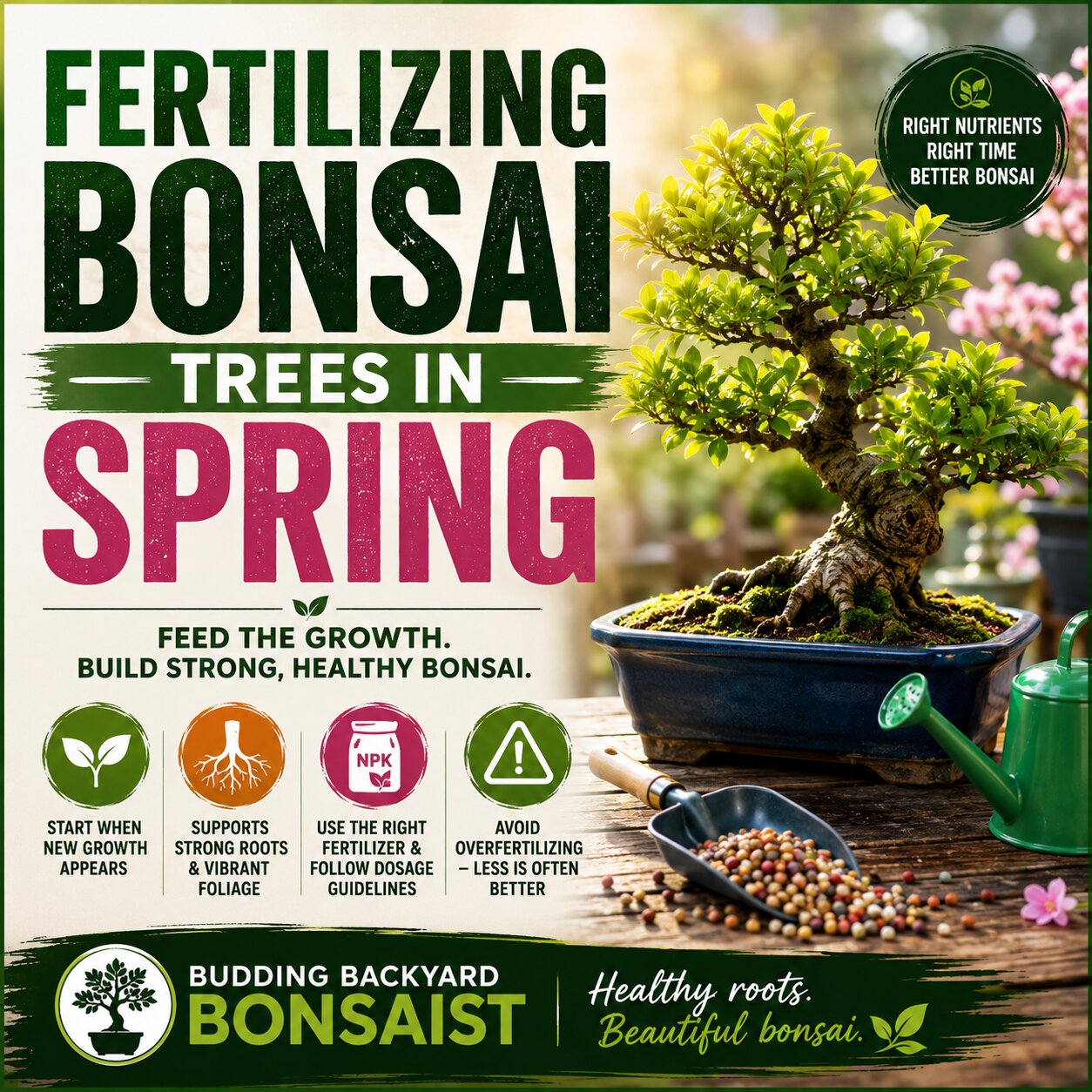
Spring is one of the most exciting periods in the bonsai calendar. Temperatures begin climbing, dormant trees return to active growth, buds swell and fresh leaves appear. With all that new activity comes an increased demand for nutrients, making fertilising bonsai trees in spring an important part of seasonal care.
However, spring fertilising isn’t simply a matter of throwing fertiliser onto every bonsai as soon as the weather warms. Timing, tree health, species and your goals for each bonsai all matter.
Why Bonsai Trees Need Spring Fertiliser
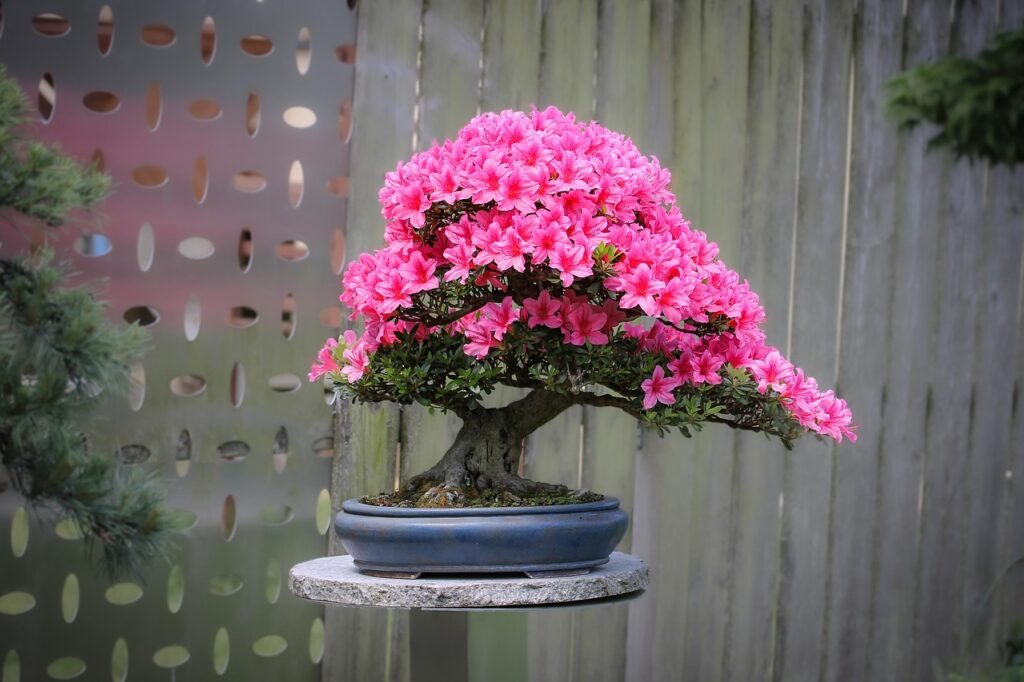
Bonsai trees grow within relatively small containers containing limited quantities of soil. Unlike trees growing naturally in the ground, their roots cannot simply spread further in search of additional nutrients.
Regular watering also gradually washes nutrients from the growing medium.
As active growth resumes, fertiliser replenishes essential nutrients and supports healthy foliage, roots and branches. The three numbers commonly displayed on fertilisers refer to nitrogen (N), phosphorus (P) and potassium (K), usually abbreviated as NPK.
Nitrogen supports vegetative growth, phosphorus contributes to root development and other plant processes, while potassium plays an important role in overall plant health.
When Should You Start Fertilising in Spring?
Don’t let the calendar make the decision for you. Watch the tree.
For many deciduous bonsai, the appearance of active new growth provides a much better indication that the growing season has begun. Evergreens and different species may follow different schedules, particularly depending on your local climate.
Here in South Africa, September marks the beginning of meteorological spring, but conditions vary considerably between regions. A bonsai growing in Cape Town won’t necessarily follow exactly the same schedule as one in Johannesburg, Durban or a colder inland area.
When fertilising bonsai trees in spring, respond to the tree and your local conditions rather than blindly following a date.
Consider What You Want the Tree to Do
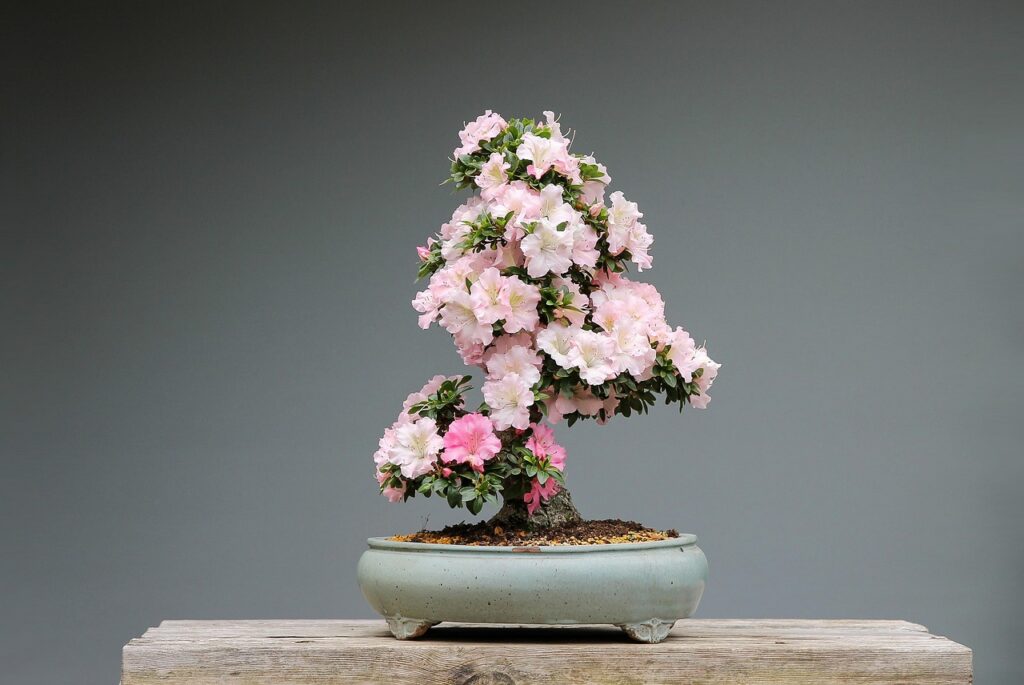
Not every bonsai should receive the same fertilising programme.
A young tree still undergoing development may benefit from stronger growth because you’re trying to thicken its trunk and develop branches. A mature, highly refined bonsai may require a more controlled approach because excessive growth can produce longer internodes and larger leaves.
Your spring fertilising strategy should therefore reflect the tree’s development stage.
Before feeding, consider:
- The species and its normal growth cycle
- Whether the bonsai is healthy and actively growing
- Whether the tree is developing or already refined
- Recent repotting or significant root work
- The fertiliser type and recommended dosage
- Your local temperatures and weather conditions
The goal isn’t maximum growth at all costs. It is appropriate growth for that particular bonsai.
Don’t Overfeed Your Bonsai
One of the easiest mistakes when fertilising bonsai trees in spring is assuming that more fertiliser means a healthier tree.
It doesn’t.
Excessive fertilisation can damage roots, encourage coarse growth and potentially cause other problems. Always follow the manufacturer’s instructions for the particular fertiliser you’re using, especially when applying concentrated liquid products.
Organic solid fertilisers are popular among many bonsai growers because they release nutrients gradually, while liquid fertilisers provide another convenient option. Neither automatically guarantees better results; consistency and appropriate application matter more.
Also remember that fertiliser isn’t medicine. A weak or unhealthy bonsai shouldn’t automatically receive a heavy dose of nutrients in an attempt to “fix” it. First determine why the tree is struggling.
What About Newly Repotted Bonsai?
Spring is also an important repotting season for many bonsai species, which creates an obvious question: when should you fertilise after repotting?
Avoid treating every repotted tree identically.
A bonsai that has undergone significant root pruning may need time to recover before returning to its normal feeding programme. Species, growing conditions and the extent of the work performed all influence the appropriate timing.
Watch for signs that the tree has recovered and resumed healthy growth before pushing it unnecessarily.
This is another reason why bonsai care works best when we observe our trees rather than following rigid schedules.
Spring Is About Building Healthy Growth
After the slower winter months, seeing new shoots exploding across your bonsai collection can be incredibly rewarding. Fertiliser helps provide the nutrients required to support that activity, but it remains only one part of spring care.
Watering requirements will increase as temperatures rise. Trees may require more sunlight, pruning and pest monitoring, while rapidly developing bonsai can change remarkably quickly from one week to the next.
Successful spring bonsai fertilising works alongside all these other elements.
Take a walk through your collection. Look at which trees are waking up, which are already growing vigorously and which are taking their time.
Then feed according to what each tree is telling you.
Spring has arrived, and your bonsai are hungry — but there’s no need to serve the entire buffet at once. 🌱