

Spring is one of the most exciting times of the year for a bonsai enthusiast. After the slower pace of winter, buds begin swelling, fresh leaves emerge and trees gradually return to active growth. Here in South Africa, September marks the beginning of spring, making the weeks leading into the season an excellent time to start paying closer attention to your collection.
But how do you love your bonsais this spring?
The answer isn’t necessarily giving them more water, more fertiliser or more attention. Sometimes, loving a bonsai means leaving it alone.
Good spring bonsai care is about observing each tree and responding to what it actually needs. Different species wake at different times, and even two trees of the same species may behave differently depending on their health, location and growing conditions.
So, as warmer days approach, spend some quality time with your miniature trees and see what they’re telling you.
Watch for the First Signs of Spring Growth
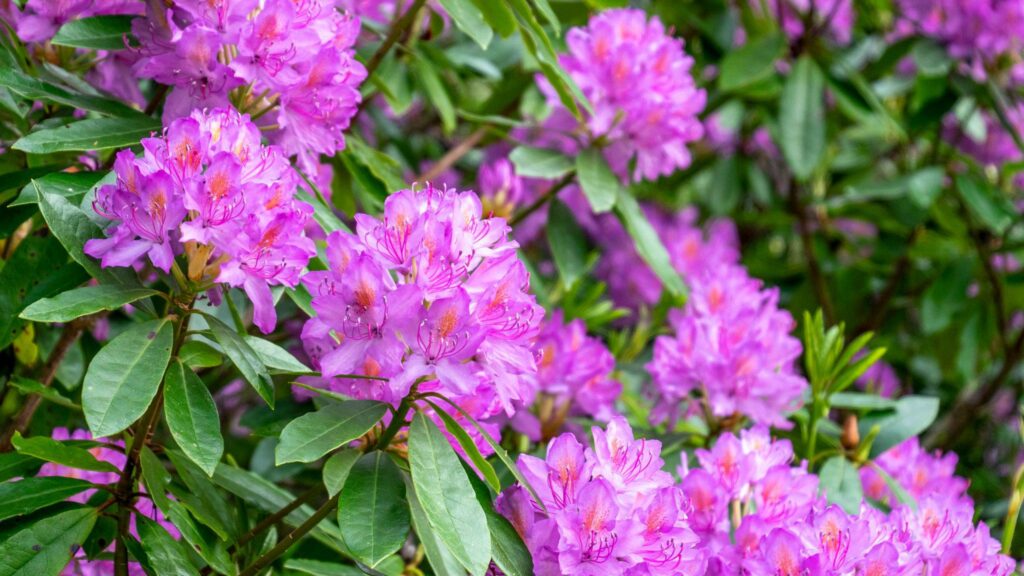
One of the greatest pleasures of bonsai growing is watching a seemingly dormant tree suddenly show signs of life.
Buds may begin swelling before leaves appear. Deciduous species can rapidly transform from bare branches into fresh green canopies, while evergreen trees may begin producing new shoots.
Don’t assume that every bonsai should wake simultaneously.
Species, microclimate and even where a tree sits in your garden can influence when growth begins. Instead of following a calendar blindly, observe the tree itself.
Check buds, branches and foliage regularly. Take photographs if you enjoy documenting your collection. Comparing images from week to week can reveal changes that aren’t always obvious when you see the same trees every day.
Spring is when your bonsai starts talking again.
Your job is to pay attention.
Adjust Watering as Temperatures Increase
Winter watering routines shouldn’t automatically continue unchanged into spring.
Warmer temperatures, increased sunlight and active growth can cause bonsai soil to dry considerably faster. Trees producing fresh foliage will also begin using more water.
However, this doesn’t mean you should simply start watering every bonsai more frequently.
Check the growing medium.
Push a finger gently against the surface or use your preferred moisture-checking method to determine whether watering is actually required. When the tree needs water, water thoroughly so moisture reaches the complete root system and excess water drains from the container.
Then check again later rather than watering according to an inflexible schedule.
One of the best ways to love your bonsais this spring is to give them the water they need — not the water you assume they need.
Spring Feeding Gives Trees New Energy
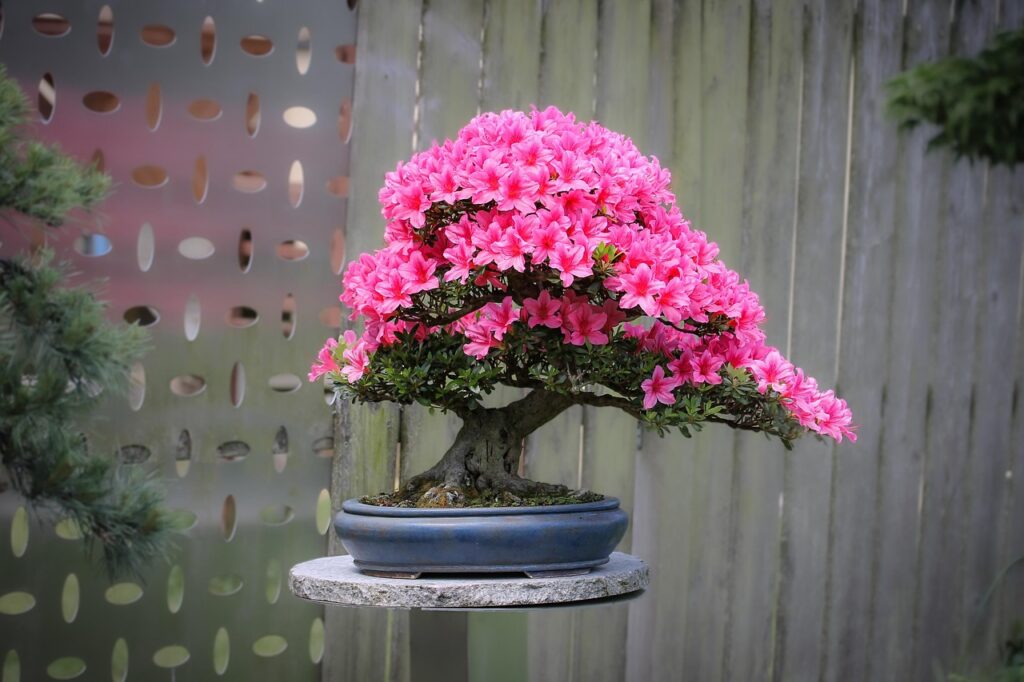
As active growth returns, many bonsai species can benefit from fertilisation.
Trees growing inside bonsai containers have access to a relatively small amount of soil, meaning available nutrients need to be managed carefully.
The correct fertiliser and timing will depend on the species, development stage and what you’re trying to achieve.
A young bonsai still being developed may benefit from stronger growth, while a refined tree might require more controlled feeding to prevent excessively long shoots and oversized leaves.
Avoid assuming that more fertiliser automatically produces a healthier bonsai.
Follow appropriate guidance for your species and fertiliser product. If a tree is unhealthy, newly repotted or experiencing another form of stress, its nutritional requirements may differ from those of a vigorously growing specimen.
Feed the tree you’re looking at, not an imaginary perfect bonsai.
Consider Whether It’s Time to Repot
Spring is an important repotting period for many bonsai species, particularly around the time they begin transitioning into active growth.
But that doesn’t mean every bonsai needs a new pot every spring.
Repotting is stressful.
Removing a tree from its container, disturbing its roots and potentially pruning part of the root system should be done for a reason.
A bonsai may require repotting because the roots have become excessively compacted, drainage has deteriorated, the growing medium has broken down or the tree has simply outgrown its current root environment.
Before reaching for the root rake, ask whether the tree genuinely needs the work.
When you’re uncertain about timing, research the specific species. Tropical, subtropical, deciduous and coniferous bonsais don’t necessarily follow identical repotting schedules.
Sometimes loving your bonsai means giving it fresh soil.
Sometimes it means not disturbing perfectly healthy roots.
Shape New Growth With Purpose
Spring growth brings opportunities for bonsai development.
New shoots can help build branches, strengthen weak areas and develop the tree’s overall structure. They can also quickly turn a carefully shaped bonsai into a miniature bush if left completely unmanaged.
Before cutting anything, decide what you’re trying to achieve.
A branch you’re tempted to shorten may actually need to grow longer to thicken. A shoot growing in an awkward direction might eventually become useful. Alternatively, unwanted growth may be consuming energy that could be better directed elsewhere.
Spring pruning shouldn’t become an automatic reaction to seeing new leaves.
Consider the tree’s design and development stage first.
Then prune with purpose.
Give Your Bonsais the Right Amount of Sun
As spring progresses, daylight becomes stronger and temperatures rise.
Trees that spent winter in protected positions may need time to adjust to increased sunlight. Moving sensitive foliage directly from shelter into intense sun can sometimes cause damage.
Gradual adjustment is generally safer.
Observe how much sunlight different areas of your garden receive throughout the day. Morning sun may provide excellent light without the intensity of harsher afternoon conditions, depending on the species and your local environment.
Your bonsai’s requirements matter more than finding one universal “bonsai position”.
Some trees love abundant sunlight.
Others appreciate protection during the hottest part of the day.
Learn what your species prefers and position it accordingly.
Watch for Spring Pests and Problems
Unfortunately, your bonsais aren’t the only organisms becoming more active as temperatures rise.
Spring can also bring increased pest activity.
Regular inspection gives you the best chance of discovering problems before they become severe. Look underneath leaves, around fresh shoots, along branches and near the soil surface.
Common warning signs include:
- Unusual spots, discolouration or damaged leaves
- Sticky substances appearing on foliage
- Tiny insects gathering around new growth
- Webbing between leaves or branches
- Sudden weakness or distorted shoots
Don’t immediately reach for the strongest pesticide you can find.
Identify the problem first.
Different pests require different responses, and unnecessary chemical treatments may affect beneficial insects as well as the organisms you’re trying to control.
Early detection usually gives you more options.
Clean the Bonsai Area Too
Spring cleaning doesn’t have to stop at the house.
Your bonsai benches, shelves and surrounding garden areas deserve some attention as well.
Remove accumulated dead leaves and debris. Check drainage around benches. Clean empty pots and tools where necessary, and inspect wooden stands or structures for deterioration.
This is also an excellent opportunity to reorganise your collection.
Perhaps one tree needs more sunlight while another would benefit from additional shelter. Maybe your watering routine would become easier if species with similar requirements were positioned closer together.
A clean, organised growing area makes caring for the collection easier while allowing your bonsais to remain the stars of the display.
Spend Time Enjoying Your Bonsais This Spring
It’s remarkably easy for bonsai care to become a checklist.
Water.
Feed.
Prune.
Wire.
Repot.
Inspect.
Repeat.
But bonsai isn’t only about maintenance.
These trees are meant to be enjoyed.
When the first spring leaves appear, take a moment to appreciate them before immediately deciding which ones need pruning. Look at how your tree has changed since last year. Notice the branches that have thickened, the trunk that has developed additional character and the silhouette slowly becoming closer to the image you’ve been building in your mind.
Take photographs.
Sit beside your collection with some coffee.
Show your children or friends the new growth you’re excited about, even if they don’t quite understand why one tiny bud deserves so much enthusiasm.
That’s part of loving bonsai too.
Love the Tree You Have, Not Just the Bonsai You Want
Spring naturally makes us excited about what our bonsais could become.
We imagine thicker trunks, perfect ramification, beautiful flowers and carefully shaped canopies.
Those goals are part of the hobby, but they shouldn’t prevent us from appreciating the trees standing in front of us today.
Your bonsai doesn’t need to look like a century-old Japanese masterpiece for you to enjoy it.
It needs patience, observation and appropriate care.
As South Africa moves towards another spring, spend time getting reacquainted with your collection. Check the soil. Watch the buds. Prepare your fertiliser. Inspect for pests. Research the needs of individual species before undertaking major work.
Most importantly, enjoy watching your trees return to active growth.
After all, the best way to love your bonsais this spring isn’t to constantly interfere with them.
It’s to learn what each tree needs, give it the right care and enjoy the journey as it grows.