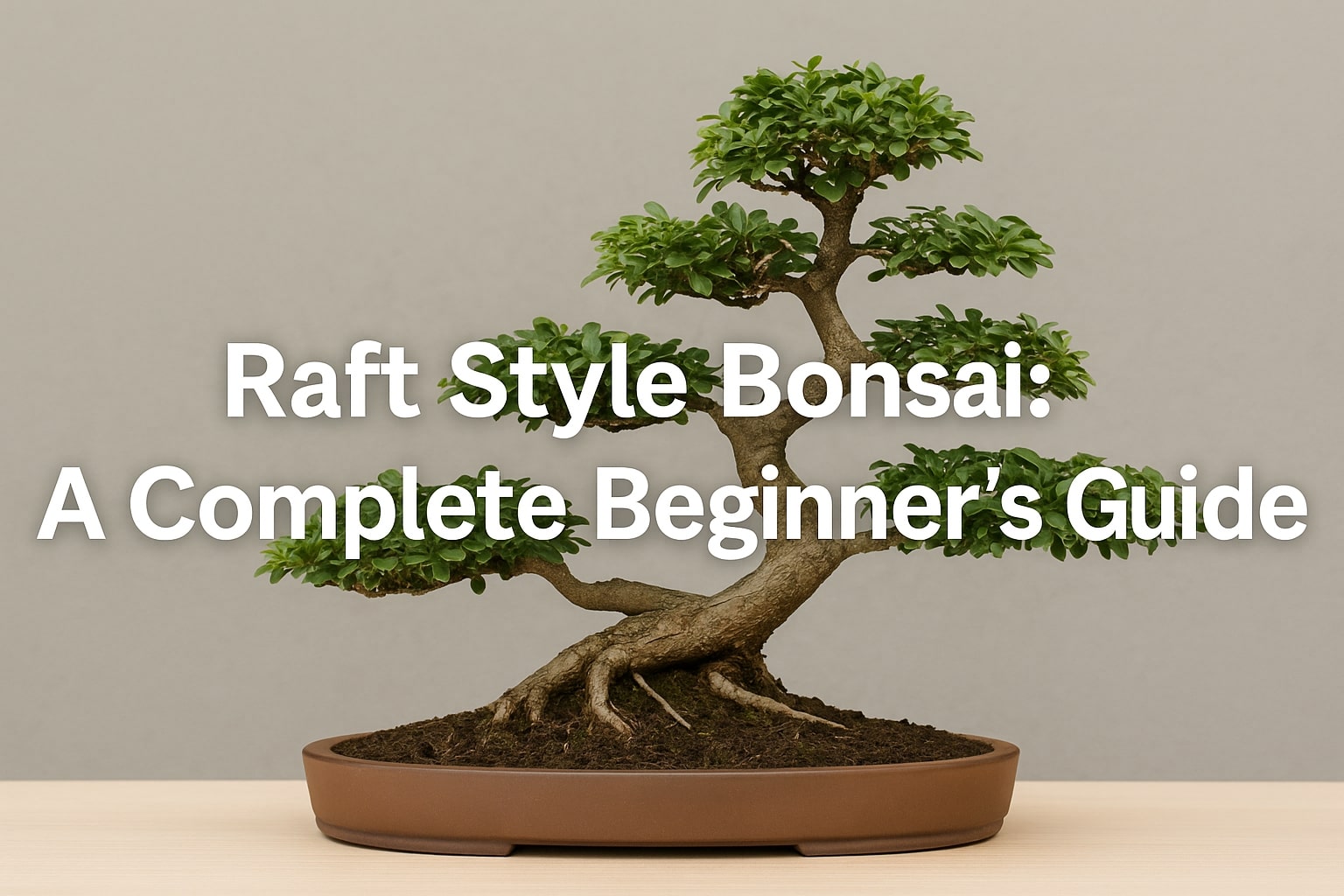
The raft style is one of the most fascinating bonsai designs because it turns a fallen tree into a living work of art. Instead of standing upright like most bonsai, a raft grows horizontally, with multiple trunks rising from a single connected base. The result is a miniature forest created from one tree, giving the illusion of natural survival and regeneration in the wild.
Understanding the raft style will help you appreciate how resilience and creativity come together in bonsai design. This guide explains what the style is, how to create it and which species respond best.
Table of Contents
What is the raft style in bonsai?
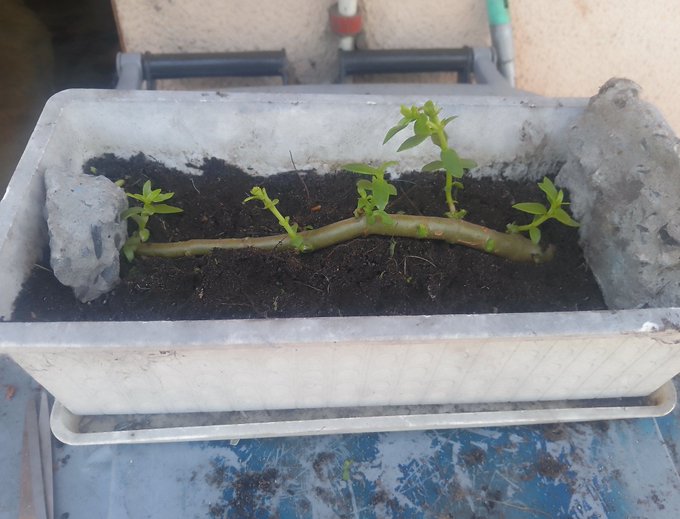
In nature, the raft style occurs when a tree falls sideways due to storms, erosion or age, but continues growing because part of the trunk is still alive. New shoots rise upward from the fallen trunk, eventually forming a line of vertical stems that look like separate trees. Bonsai artists replicate this phenomenon by positioning a single trunk horizontally and encouraging several shoots to grow upwards.
The characteristic features of the raft style include:
- A single horizontal trunk that acts as the “root line”
- Several upright shoots that develop into individual trunks
- An arrangement that resembles a natural forest scene
- Visible bark texture that shows the original tree’s age
The visual storytelling in this design makes it especially popular among intermediate and advanced artists.
Types of raft style arrangements
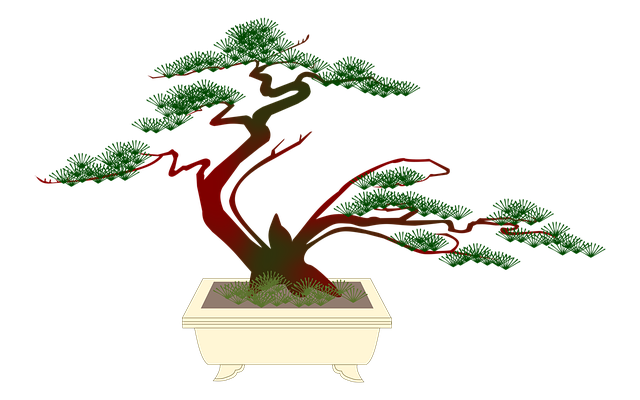
There are two main forms of the raft bonsai style, each with a slightly different appearance:
Straight raft
The main trunk lies flat in a relatively straight line. Upright shoots grow at different intervals, forming a balanced, organised composition.
Sinuous raft
The trunk is planted in a gentle curve, allowing each vertical shoot to rise at slightly different angles. This creates a more natural, flowing look that mimics how fallen trees behave in forests.
Both forms still follow the essential rule that the horizontal trunk must be partially buried and able to produce new roots.
How to create a raft style bonsai
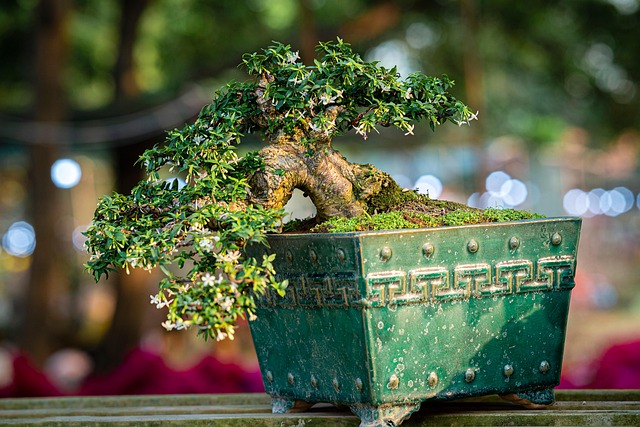
Creating a successful bonsai style involves patience and careful positioning. Follow these steps:
1. Choose a suitable tree
Select a species with flexible branches and strong budding potential. Trees that sprout easily along the trunk are perfect for the raft style.
2. Prepare the main trunk
Lay the chosen trunk horizontally. Identify the upward-facing side, as this is where the future vertical trunks will grow.
3. Encourage rooting
Lightly scar the underside of the trunk to promote root development. This step helps the horizontal line establish itself as a new root system.
4. Plant and secure the trunk
Partially bury the trunk in the soil, leaving the future upright shoots above the surface. Ensure the trunk is stable, as movement can disrupt rooting.
5. Train the vertical trunks
Allow several shoots to grow upward. Over time, shape each one like a small individual tree. Adjust heights to create depth and perspective.
6. Develop the canopy
The key to a natural raft style is staggered height and spacing. Avoid making all the trunks identical. Variation creates realism and harmony.
Best tree species for the raft style
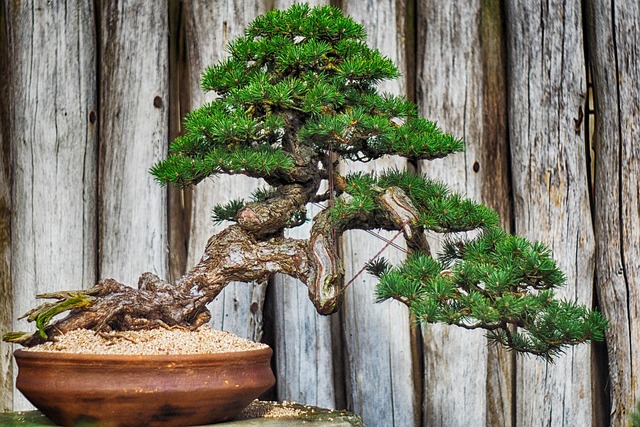
Some trees naturally respond well to this technique because they sprout easily and root from the trunk. Popular choices include:
- Chinese elm
- Juniper
- Japanese maple
- Ficus
- Cotoneaster
- Hackberry
These species adapt well to horizontal planting and develop new roots quickly.
Common mistakes to avoid with the raft style
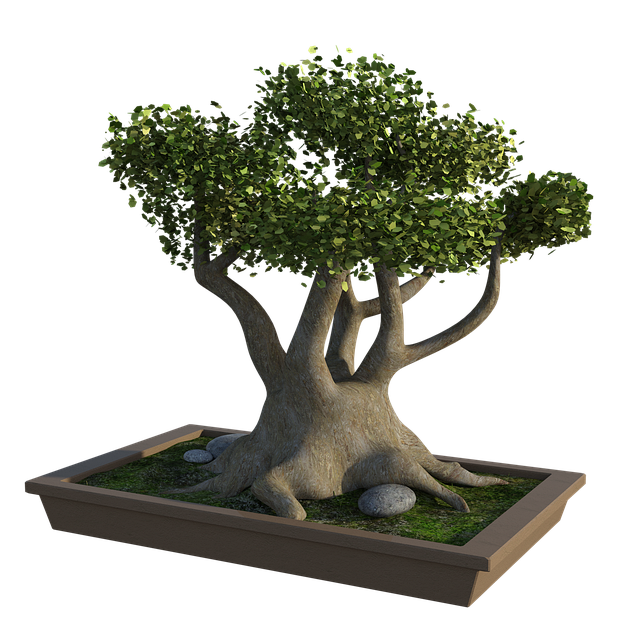
While this style is rewarding, beginners often run into avoidable problems. Keeping these points in mind will help your design grow strong and natural.
Planting the trunk too shallow
The horizontal trunk needs to sit deep enough in the soil for new roots to form. If it is planted too shallow, the raft may fail to root properly and will stay weak.
Using a trunk that is too stiff
A very old or brittle trunk will not bend into a natural position. Choose material that still has some flexibility so the line of the raft feels organic.
Allowing all upright shoots to grow at the same height
Uniform height removes the sense of depth. Vary the height of each trunk to create a realistic forest effect.
Overcrowding the shoots
Too many vertical stems can make the raft look messy. Select the strongest shoots and remove the rest so the design stays clear and balanced.
Forgetting to develop each trunk individually
Every upright shoot must eventually become its own small tree. Beginners sometimes shape the canopy as one mass, but proper raft style design requires attention to each trunk’s branch structure.
Neglecting root development
The raft depends on a strong new root system. Ensure the soil stays aerated and slightly moist, especially in the first year, to encourage healthy rooting along the entire trunk.
Why the raft style appeals to bonsai artists
Many artists love the raft style because it tells a story of survival. A fallen tree that continues to grow symbolises resilience, strength and renewal. The style also allows beginners to experiment with forest compositions without needing multiple trees. With practice, a single trunk can create the illusion of an entire woodland scene.
Build your raft style bonsai today!
The raft style is one of the most creative and inspiring bonsai designs. By mimicking how a fallen tree regenerates in nature, you can create a dynamic, multi-trunk landscape from a single plant. Whether you choose a straight or sinuous arrangement, this style offers endless opportunities to explore movement, depth and natural storytelling in your bonsai practice.