
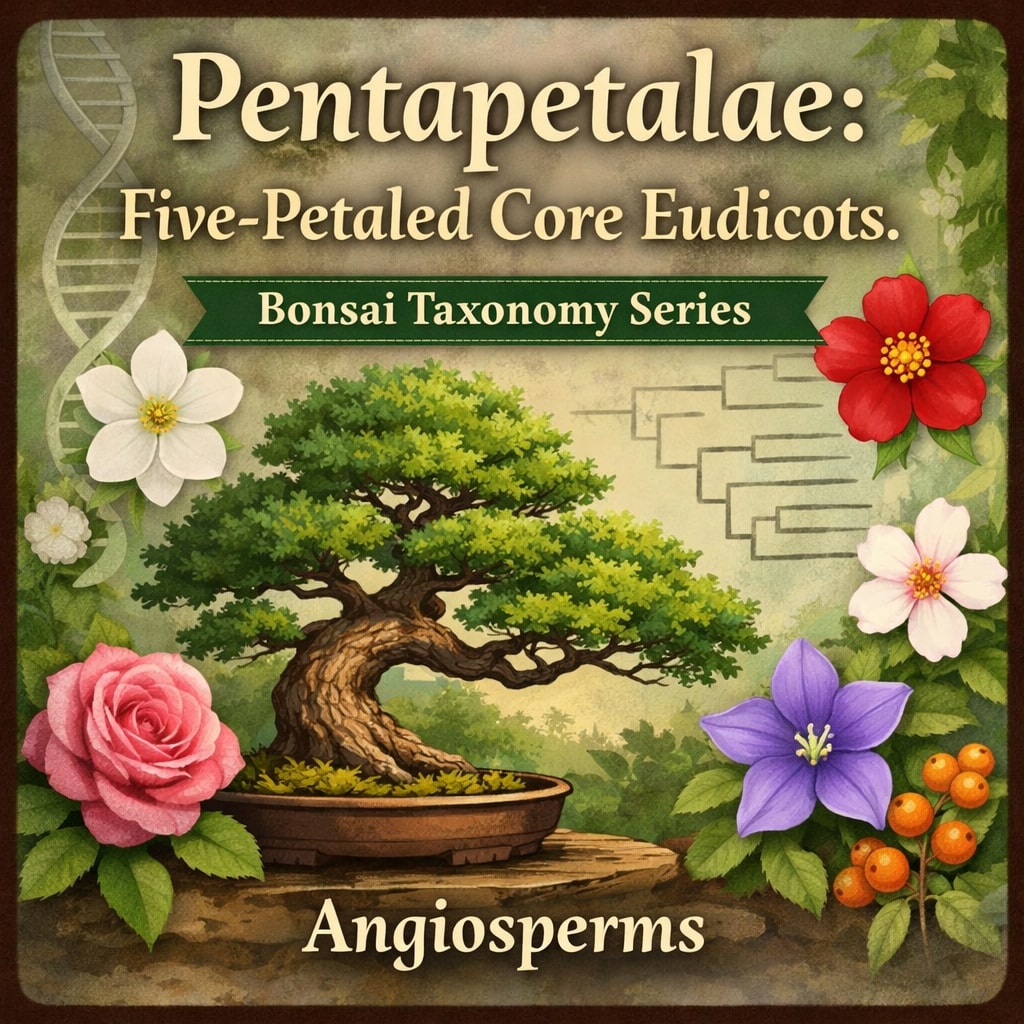
Pentapetalae, also known as the five-petaled core eudicots, represent the largest and most diverse clade within the core eudicots. This group includes the majority of flowering plants on Earth and accounts for a significant proportion of angiosperm diversity across natural ecosystems, agriculture, horticulture, and bonsai.
Although Pentapetalae was once informally grouped under the broader term “core eudicots,” advances in molecular and DNA-based research have established it as a distinct and well-supported evolutionary clade. Classical plant classification systems, which relied primarily on visible traits, were unable to clearly identify this group due to its immense diversity and overlapping characteristics.
Pentapetalae sits immediately above the orders Gunnerales and Dilleniales in the flowering plant family tree and forms the primary branching point from which the most important angiosperm lineages emerge. From this clade arise the Superrosids and Superasterids, which together encompass most modern plant orders and families.
On Budding Backyard Bonsaist, this page serves as a taxonomy gateway between Core Eudicots and the higher clades that follow. Understanding Pentapetalae provides the necessary context for exploring flowering plant diversity in a structured, evolutionary way, while keeping the focus on clarity and practical relevance for horticulture and bonsai.
Table of Contents
Taxonomy
– Kingdom: Plantae (Plant Kingdom)
— Clade: Embryophytes (Land Plants)
— Clade: Polysporangiophytes (Multiple Sporangia)
—- Clade: Tracheophytes (Vascular Plants)
—– Superdivision: Spermatophytes (Seed Plants)
—— Clade: Angiospermae (Flowering Plants)
——- Division: Eudicots (True Dicotyledons)
——– Subdivision: Core Eudicots
——— Clade: Pentapetalae (Five-Petaled Core Eudicots)
What Is Pentapetalae?
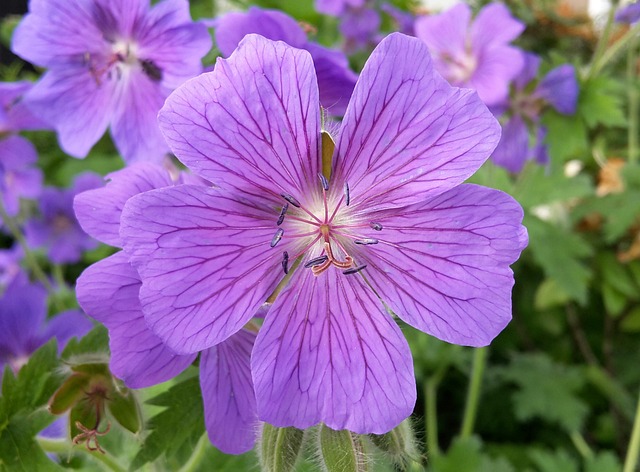
Pentapetalae is a major evolutionary clade within the core eudicots, representing the largest and most diverse group of flowering plants. It includes roughly two-thirds of all angiosperm species and forms the foundation from which most modern flowering plant lineages have evolved.
In phylogenetic terms, Pentapetalae is defined by molecular and genetic evidence, particularly DNA analyses of chloroplast genomes. This genetic framework revealed a shared ancestry that was not clearly identifiable through traditional morphology-based classification systems. As a result, Pentapetalae was historically difficult to recognise as a distinct group, despite its immense size and importance.
Pentapetalae emerges as the sister clade to Gunnerales within the core eudicots and rapidly diversifies into several major evolutionary branches. These branches give rise to the Superrosids and Superasterids, as well as a small number of early-diverging orders, all of which together encompass most flowering plants familiar today.
Rather than being defined by a single visible feature, Pentapetalae is characterised by a combination of evolutionary trends, including floral organisation, pollen structure, and reproductive traits. Understanding what Pentapetalae is provides a crucial step in navigating flowering plant taxonomy, linking high-level classification to the orders, families, and genera explored throughout the Bonsai Taxonomy Series.
Why Pentapetalae Is Called “Five-Petaled”
Pentapetalae is called “five-petaled” because many plants within this clade show an evolutionary tendency toward flowers organised in whorls of five parts, particularly in the petals and sepals. The name comes from Ancient Greek, with penta meaning five, and reflects a common floral pattern rather than a strict defining rule.
In Pentapetalae, flowers often have a differentiated calyx and corolla, with five sepals forming the calyx and five petals forming the corolla. The stamens frequently occur in multiples of five, commonly ten, arranged in two whorls. This floral organisation represents a key evolutionary trend that contributed to the success and diversification of the group, especially through interactions with pollinators.
It is important to note that not all five-petaled flowers belong to Pentapetalae. Some earlier-diverging eudicots, such as members of the family Ranunculaceae, also display five-petaled flowers. In these cases, the similarity is the result of convergent evolution, where similar traits evolved independently rather than being inherited from a shared ancestor.
For this reason, the term “five-petaled” should be understood as a general descriptor rather than a diagnostic feature. Pentapetalae is defined by shared evolutionary ancestry supported by molecular evidence, with five-part floral organisation serving as one of several recurring patterns that help illustrate the clade’s identity.
Key Characteristics of Pentapetalae
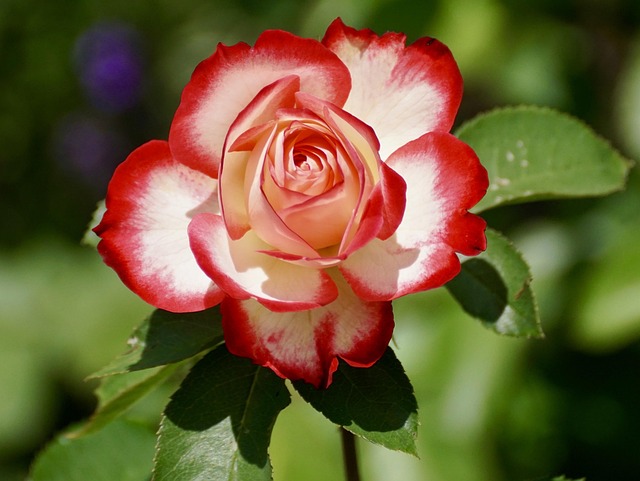
Pentapetalae is defined not by a single universal trait, but by a combination of structural, reproductive, and genetic characteristics that reflect shared evolutionary ancestry. These features occur as consistent trends across the clade, even though individual members may show variation.
Floral structure and organisation
Many Pentapetalae plants exhibit flowers organised in whorls of five or multiples of five, with a clearly differentiated calyx and corolla. The stamens are often present in numbers double that of the petals, commonly arranged in two whorls. When stamen numbers exceed this pattern, they may be grouped in fascicles or arranged in a spiral, reflecting flexibility within a shared floral framework.
Tricolpate pollen
A defining characteristic of Pentapetalae is the presence of tricolpate pollen. These pollen grains have three or more pores arranged within grooves called colpi. This contrasts with the monoculcate pollen found in monocots, gymnosperms, and many early-diverging angiosperms, and serves as an important marker in flowering plant evolution.
Gynoecium and reproductive traits
The gynoecium in Pentapetalae is commonly composed of five fused carpels, although three-carpel arrangements are also frequent. When fewer carpels are present, they typically overlap and share a region known as the compitum, allowing pollen tubes to move between carpels. Ovules are usually axillary, and the pistil typically ends in a style with a non-decurrent stigma.
Fruit and seed development
Fruits in Pentapetalae are often dry and dehiscent, frequently forming capsules with loculicidal dehiscence. Seeds may possess specialised structures such as arils, depending on the lineage. These traits support effective seed dispersal and reproductive success across diverse environments.
Anatomical and chemical features
Pentapetalae plants commonly exhibit a closed root apical meristem, an anatomical trait linked to regulated root growth. From a phytochemical perspective, many members of the clade are capable of cyanogenesis, producing cyanogenic glycosides derived from branched-chain amino acids. These compounds play a role in plant defence and ecological interactions.
Together, these characteristics illustrate how Pentapetalae combines structural organisation with evolutionary flexibility, allowing it to become the most dominant lineage of flowering plants.
Major Lineages Within Pentapetalae
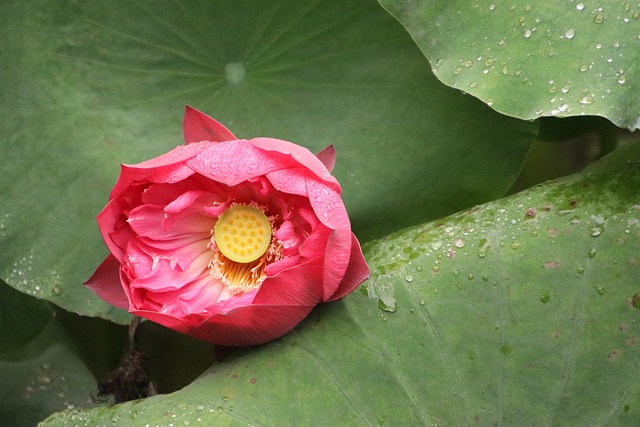
Pentapetalae is not a single uniform group but a complex evolutionary framework made up of several major lineages. These lineages reflect how flowering plants diversified rapidly after the emergence of the clade and provide a practical way to organise the vast diversity of species that fall within it. Many of the plant groups most familiar in bonsai and horticulture originate from these lineages.
At a high level, Pentapetalae divides into a small number of early-diverging orders and two dominant evolutionary branches: Superrosids and Superasterids. Together, these branches account for most modern flowering plants, including the majority of species cultivated as trees, shrubs, and flowering bonsai.
Early-Diverging Pentapetalae Lineages
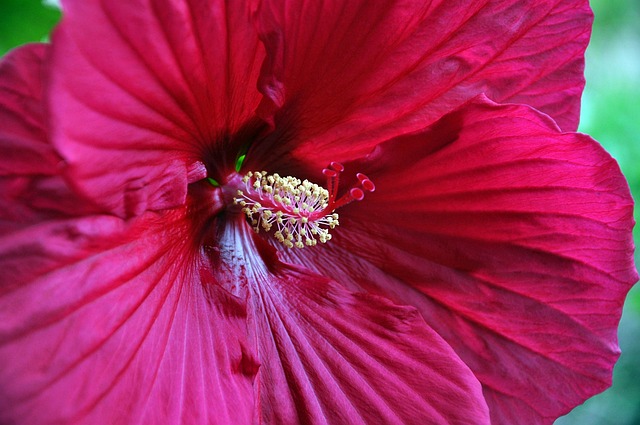
The earliest branches within Pentapetalae include orders such as Dilleniales, Berberidopsidales, and Santalales. These groups split off near the base of the clade and retain a mix of ancestral and derived traits. While they are relatively small in species number, they are important for understanding the early evolutionary steps that shaped later flowering plant diversity.
From a bonsai perspective, these early lineages are less commonly encountered but still valuable for context. They help explain how traits such as leaf structure, floral form, and growth habits evolved before the rise of the more familiar plant groups used in cultivation.
Superrosids
Superrosids form one of the two major branches of Pentapetalae and include many woody plants central to bonsai practice. This lineage encompasses the rosids and related orders, which include numerous tree and shrub species prized for their structure, foliage, flowers, and fruit.
Many classic bonsai subjects, including broadleaf deciduous trees and flowering species, trace their ancestry to the superrosid lineage. Understanding this branch helps bonsai enthusiasts recognise shared growth patterns and structural tendencies across different genera.
Superasterids
The second major branch of Pentapetalae is the Superasterids. This lineage includes plants with a wide range of growth forms, from herbaceous species to woody shrubs and small trees. It gives rise to the asterids, a group known for specialised flowers and strong relationships with pollinators.
In bonsai and ornamental horticulture, superasterids contribute many flowering and aromatic plants valued for their seasonal interest. Recognising this lineage provides insight into floral structure, pruning response, and flowering behaviour across related species.
Together, these major lineages form the framework through which Pentapetalae can be understood. For bonsai practitioners, this framework transforms plant taxonomy into a practical tool for understanding plant behaviour, relationships, and long-term cultivation potential.
Evolutionary History and Rapid Diversification
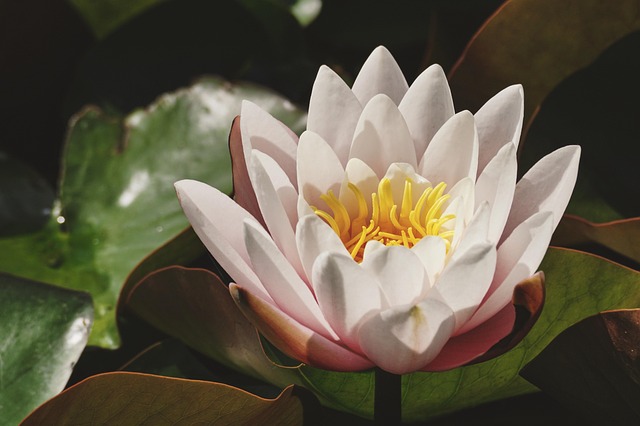
The evolutionary history of Pentapetalae is marked by an exceptionally rapid expansion that reshaped the diversity of flowering plants. Emerging within the core eudicots during the early Cretaceous period, this clade quickly became the dominant lineage of angiosperms, giving rise to most of the flowering plants seen today in natural ecosystems, agriculture, horticulture, and bonsai.
Rather than diversifying slowly over long periods, Pentapetalae underwent a burst of evolutionary branching shortly after separating from its sister group, Gunnerales. This rapid radiation laid the groundwork for the formation of major plant lineages that continue to define flowering plant diversity.
Origins within the core eudicots
Pentapetalae is estimated to have originated approximately 113 to 116 million years ago, during a time when flowering plants were expanding into new ecological niches. Early eudicots had already established key traits such as tricolpate pollen, but Pentapetalae built upon this foundation with greater structural and reproductive complexity.
This early origin explains why Pentapetalae encompasses such a wide range of growth forms, from small herbaceous plants to long-lived woody trees. Many lineages that would later become important in bonsai cultivation trace their ancestry back to this early diversification phase.
Rapid early divergence
One of the defining features of Pentapetalae evolution is the speed at which its major lineages diverged. Molecular evidence indicates that the initial split between Dilleniales, Superrosids, and Superasterids occurred within an extremely short timeframe, possibly within a single million years.
Following this initial split, further diversification happened just as quickly. Lineages leading to groups such as rosids, asterids, Caryophyllales, and Saxifragales emerged within a few million years. This rapid branching helps explain why these groups share deep genetic relationships while displaying striking differences in form and function.
Molecular evidence and phylogenetic clarity
The recognition of Pentapetalae as a coherent clade is based primarily on DNA and chloroplast genome analyses. These molecular studies provided clarity where classical morphology-based classification struggled, revealing evolutionary relationships that were previously obscured by convergent traits.
For modern taxonomy, this molecular framework offers a reliable map of flowering plant relationships. It allows botanists, horticulturists, and bonsai practitioners to understand how seemingly unrelated plants are connected through shared ancestry.
Long-term impact on plant diversity
The rapid diversification of Pentapetalae had lasting consequences for plant evolution. By generating multiple successful lineages early on, the clade positioned itself to dominate terrestrial ecosystems as climates, pollinators, and environments changed.
Today, this evolutionary success is reflected in the abundance of Pentapetalae plants used in bonsai and horticulture. Their varied growth habits, adaptability, and structural potential are direct outcomes of this early and explosive diversification, making Pentapetalae a cornerstone of flowering plant evolution.
Pentapetalae in the Context of Core Eudicots
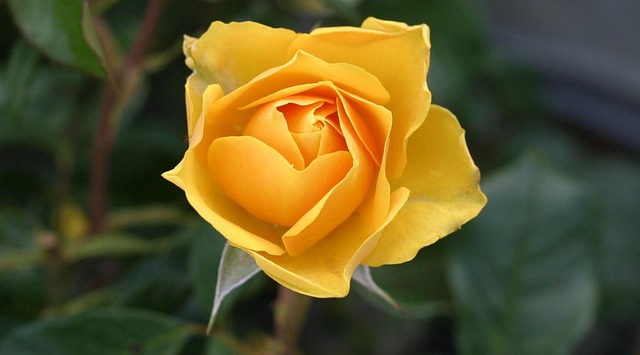
Pentapetalae occupies a central position within the core eudicots, serving as the primary lineage through which most flowering plant diversity has emerged. While core eudicots include several early-diverging orders, Pentapetalae represents the point at which flowering plants began to diversify on a massive scale.
Within the core eudicots, Gunnerales and Dilleniales branch off near the base, leaving Pentapetalae as the dominant remaining lineage. From this clade arise the two largest evolutionary branches of flowering plants, Superrosids and Superasterids, which together contain the majority of modern angiosperm orders and families.
This placement makes Pentapetalae a critical link between high-level plant classification and the groups most familiar to growers. Many of the trees, shrubs, and flowering plants used in horticulture and bonsai trace their ancestry directly through Pentapetalae rather than through the smaller early-diverging core eudicot lineages.
In practical terms, understanding Pentapetalae within the context of core eudicots helps clarify plant relationships that might otherwise seem unrelated. Species that differ greatly in appearance often share deep evolutionary roots within this clade, which explains similarities in growth behaviour, flowering patterns, and structural development important to bonsai cultivation.
By situating Pentapetalae within the broader core eudicot framework, plant taxonomy becomes a structured progression rather than a collection of isolated groups. This context sets the stage for exploring Superrosids and Superasterids in greater detail, moving closer to the class-level divisions that define flowering plant diversity.
Why Pentapetalae Matters for Bonsai and Horticulture
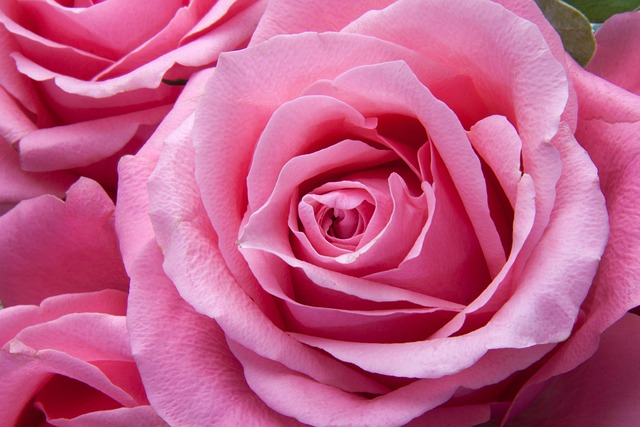
Pentapetalae matters deeply in bonsai and horticulture because this clade contains the vast majority of flowering plants that are cultivated, trained, and studied. Most broadleaf trees, flowering shrubs, fruiting plants, and ornamental species used in gardens and bonsai collections belong to Pentapetalae, making it one of the most practically relevant groups in plant taxonomy.
From a bonsai perspective, Pentapetalae includes many of the most popular and versatile genera. Plants within this clade often share evolutionary traits that influence branching behaviour, leaf morphology, flowering cycles, and response to pruning. Understanding that these plants share a common lineage helps explain why certain techniques, such as defoliation, structural pruning, and seasonal timing, work consistently across different species.
In horticulture, this clade provides a framework for predicting plant behaviour beyond individual species. Growth rate, flowering habits, pollination strategies, and fruit development are often linked to evolutionary position within lineages such as Superrosids and Superasterids. This knowledge supports better plant selection for landscapes, orchards, and ornamental gardens.
This clade is also central to understanding flowering and reproductive traits. Many plants prized for their flowers, fragrance, or fruit belong to this clade, and their reproductive structures follow patterns that reflect shared ancestry. For bonsai artists working with flowering species, this helps inform pruning decisions that preserve blooms while maintaining long-term structure.
Ultimately, this clade bridges scientific taxonomy and practical plant care. By recognising this clade as the foundation of most cultivated angiosperms, bonsai practitioners and horticulturists gain a clearer understanding of why plants grow, flower, and respond the way they do. This turns taxonomy into a practical tool, supporting healthier plants, more informed cultivation, and stronger long-term results.
Conclusion: The Core of Flowering Plant Diversity
Pentapetalae represents the true core of flowering plant diversity, forming the lineage from which most modern angiosperms have evolved. Its rapid early diversification, strong genetic cohesion, and ability to adapt to a wide range of environments allowed this clade to become the dominant force in flowering plant evolution.
By understanding this clade within the context of core eudicots, plant classification becomes clearer and more logical. Rather than navigating a complex web of orders and families, Pentapetalae provides a central framework that connects evolutionary history to the plant groups encountered in horticulture and bonsai.
For bonsai practitioners and horticulturists, this understanding adds practical value. Recognising this clade as the foundation of most cultivated flowering plants helps explain shared growth patterns, flowering behaviour, and structural potential across diverse species. It reinforces why techniques often translate successfully between seemingly unrelated plants.
As part of the Budding Backyard Bonsaist taxonomy series, this clade serves as a crucial stepping stone toward higher-level clades and classes. Grasping its role unlocks the structure behind flowering plant diversity and lays the groundwork for exploring Superrosids, Superasterids, and beyond with confidence.