

Rhododendrons can produce spectacular bonsai, combining dense foliage, attractive branching and colourful flowers with trunks that can develop considerable character. However, creating that appearance takes patience. Rhododendron bonsai shaping should work with the natural growth habit of the plant rather than forcing branches into positions they cannot comfortably maintain.
Shaping involves much more than wrapping wire around branches. Pruning, branch selection, directional growth and long-term planning all contribute to the eventual design.
Whether you are developing a young specimen or refining an established tree, understanding how rhododendrons respond to shaping techniques can help you create a healthier and more convincing bonsai.
Study the Tree Before Shaping
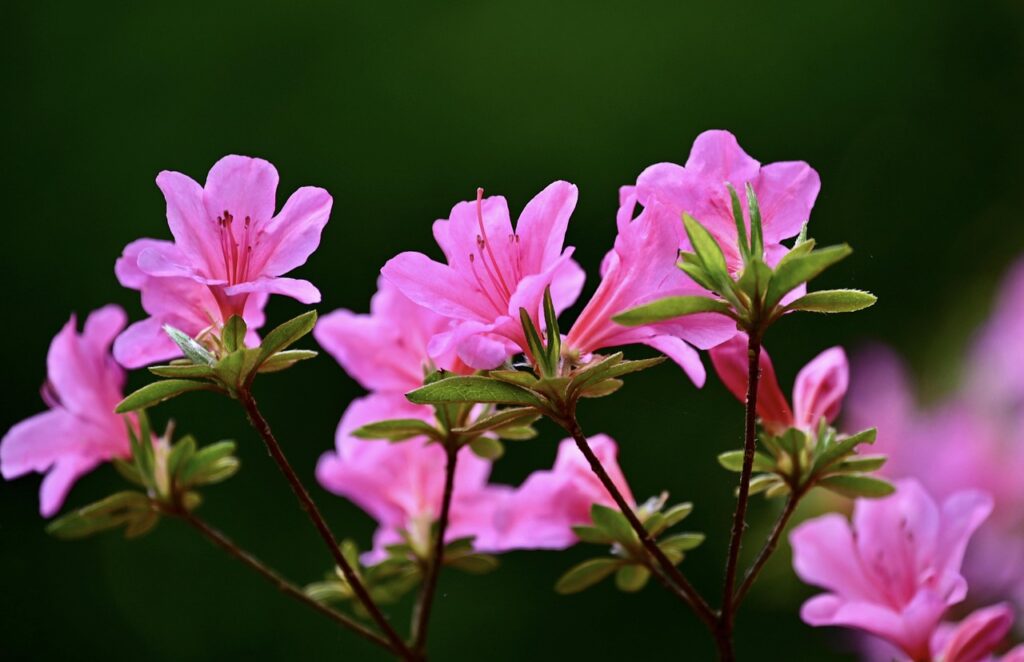
Before making any cuts, examine your rhododendron from several angles.
Look for the strongest trunk line, interesting movement and branches that could become part of the final structure. Turning the pot can sometimes reveal a much better potential front than the one you originally imagined.
Also consider the natural character of the plant.
Some rhododendrons grow relatively upright, while others develop spreading or irregular forms. Effective rhododendron bonsai shaping often produces better results when the design complements these tendencies.
You do not need to decide the entire future of the bonsai immediately. Establishing a general direction is enough to begin.
Choose the Primary Branches
Once you understand the trunk, consider which branches contribute to the design.
Branches growing directly opposite each other, towards the trunk or into congested areas may eventually need removal. Multiple branches emerging from the same point can also create swelling if they are allowed to develop unchecked.
However, avoid removing too much at once.
A branch that appears unnecessary today could become useful as your design develops. It is often safer to retain uncertain branches until you have a clearer picture of the final composition.
The aim of rhododendron bonsai shaping is not to make the plant look finished immediately. You are gradually building the structure from which the mature bonsai will emerge.
Shape Rhododendrons Through Pruning
Pruning is one of the most important shaping techniques available.
Rather than relying entirely on wire, you can use directional pruning to encourage new growth where you want it. Allow a shoot to extend, then cut it back to a suitable leaf or bud facing the desired direction.
New growth can then continue along that line.
Repeated over several growing seasons, this technique can create convincing movement and ramification without placing excessive mechanical stress on the branches.
Pruning also helps prevent sections of the canopy from becoming too dense. Light and air need to reach the interior growth if you want to maintain healthy branches throughout the tree.
Wiring Rhododendron Bonsai
Wiring can be useful for rhododendron bonsai shaping, but care is required.
Rhododendron branches can be brittle, particularly older wood. Attempting a dramatic bend in a single session could result in a broken branch.
Younger branches are generally easier to position.
Apply wire carefully and bend gradually, supporting the branch with your fingers while making adjustments. If considerable movement is required, several smaller adjustments over time may be safer than attempting one major bend.
Guy wires can sometimes provide another option for lowering or repositioning branches without wrapping conventional wire around the entire branch.
Whatever technique you use, avoid forcing the tree.
Watch the Wire Carefully
Wire should never be applied and forgotten.
As rhododendron branches grow and thicken, wire can begin cutting into the bark. Deep scars may remain visible for years and can undermine an otherwise attractive design.
Inspect wired branches regularly during periods of active growth.
Remove the wire as soon as it begins pressing into the bark. Cutting each turn individually with bonsai wire cutters is usually safer than trying to unwind the wire, which can damage buds and smaller branches.
If the branch has not retained its new position, you can wire it again later.
Patience is safer than allowing wire to scar the tree.
Consider the Flowers When Shaping
Flowers introduce another consideration that makes rhododendron bonsai shaping particularly interesting.
The tree needs enough space to display its flowers effectively. A canopy that looks perfectly balanced when covered only in leaves may become overcrowded when blooms appear.
Think about where flower clusters are likely to develop when positioning branches.
Open spaces between foliage masses can help individual blooms remain visible while creating a more natural composition.
You should also avoid designing every branch into perfectly symmetrical layers. Rhododendrons can look particularly convincing when the structure retains some of their natural irregularity.
Balance Development and Flowering
There may be times when you need to choose between developing the bonsai and enjoying its flowers.
Flowering requires energy.
If you are aggressively developing a young rhododendron, allowing it to produce a large display every season may slow certain aspects of growth. Conversely, an established specimen may be maintained specifically to produce an impressive annual flowering display.
Your approach should depend on the stage of development.
A young tree may benefit from concentrating on trunk and branch structure, while a mature bonsai can increasingly focus on refinement and flowering.
Create Depth Within the Canopy
A convincing bonsai should not look flat when viewed from the front.
Branches extending towards the rear create depth, while carefully positioned side branches establish width. Some growth towards the viewer can also help create a three-dimensional canopy, provided it does not obscure the trunk completely.
When performing rhododendron bonsai shaping, periodically step away from the tree.
Viewing it from several metres away often reveals design problems that are difficult to notice while working closely with individual branches.
You may discover that one side feels too heavy or that an important branch disappears behind another.
Shaping Is a Long-Term Process
One of the biggest mistakes beginners can make is trying to complete a bonsai design in one afternoon.
Bonsai develops through repeated decisions.
A branch is allowed to grow, then shortened. New shoots appear and one is selected. Another branch thickens and is repositioned. Over several seasons, these individual decisions gradually create the mature design.
Your rhododendron bonsai shaping toolkit may include:
- Directional pruning to guide new growth
- Wiring younger branches into position
- Guy wires for gradual adjustments
- Branch selection to establish the main structure
- Selective thinning to create light and visual space
- Regular observation as the design develops
Each technique has a role, but none needs to be used simply because it is available.
Develop the Tree Rather Than Force It
Successful rhododendron bonsai shaping is ultimately a partnership between your design and the way the plant wants to grow.
You can guide branches, remove unwanted growth and encourage the canopy towards a particular form, but the best results usually come from responding to what the tree gives you.
Study new growth each season. Look for unexpected branches that could improve the design. Allow areas that need development to strengthen before cutting them back.
Most importantly, give the tree time.
A rhododendron bonsai does not need to look finished after its first shaping session. With careful pruning, cautious wiring and several seasons of development, its structure can gradually become more refined while retaining the natural character that makes rhododendrons such beautiful bonsai subjects.