
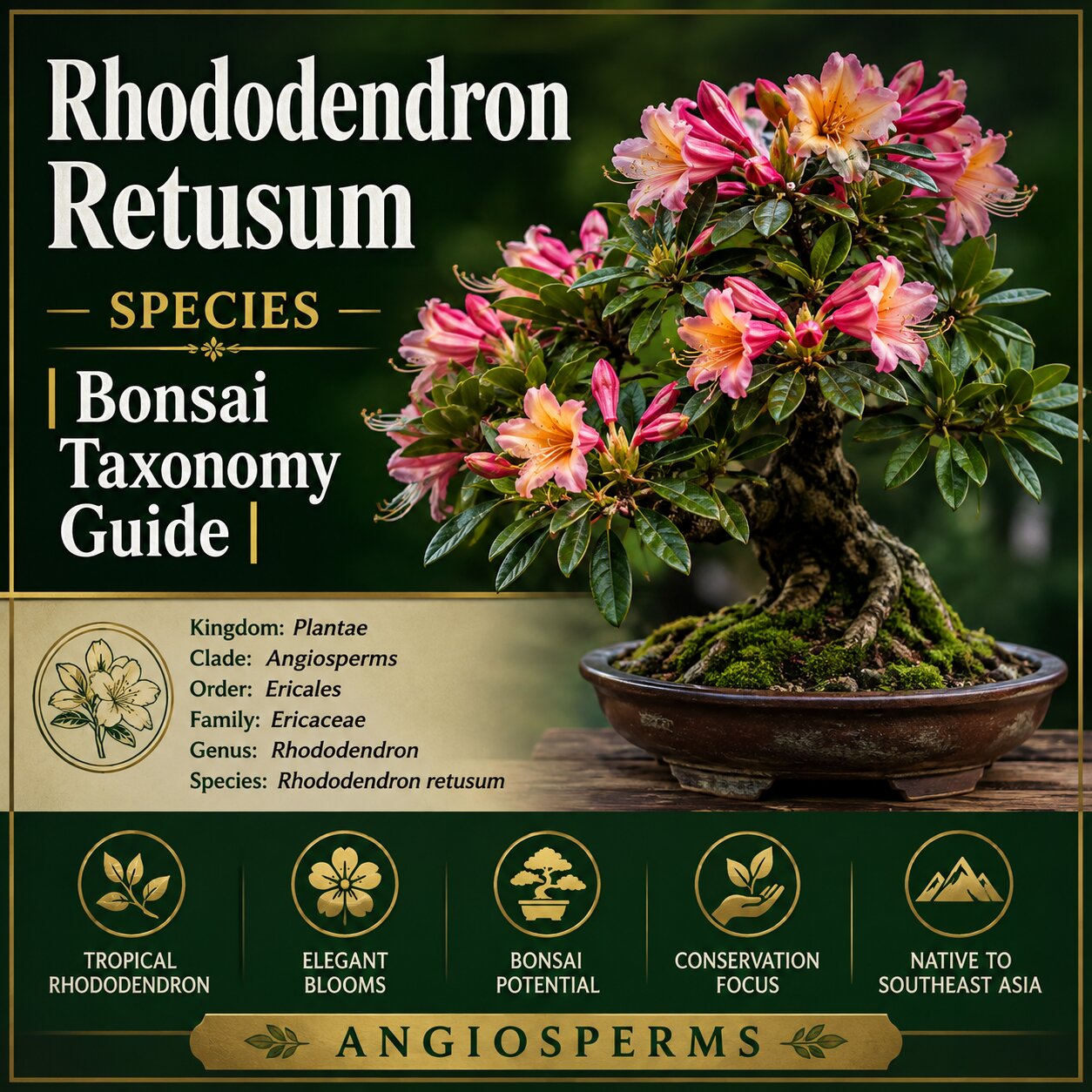
Rhododendron retusum is a distinctive tropical rhododendron species belonging to the Vireya group, renowned for its attractive foliage, elegant flowers, and adaptation to warm, humid mountain forests. Unlike the hardy rhododendrons commonly grown in temperate gardens, this species has evolved to thrive in tropical environments where moisture, filtered light, and excellent air circulation are abundant. Its unique characteristics make it an important species for botanists, collectors, and horticultural enthusiasts interested in the remarkable diversity of the Rhododendron genus.
In this guide, we’ll explore the taxonomy, botanical features, natural habitat, cultivation requirements, propagation methods, and horticultural value of Rhododendron retusum. Whether you’re researching this fascinating species, expanding your knowledge of tropical rhododendrons, or considering its potential for specialised container growing or bonsai cultivation, this comprehensive overview will help you better understand one of nature’s most captivating flowering shrubs.
Table of Contents
Taxonomy
– Kingdom: Plantae (Plant Kingdom)
— Clade: Embryophytes (Land Plants)
— Clade: Polysporangiophytes (Multiple Sporangia)
—- Clade: Tracheophytes (Vascular Plants)
—– Superdivision: Spermatophytes (Seed Plants)
—— Clade: Angiospermae (Flowering Plants)
——- Division: Eudicots (True Dicotyledons)
——– Subdivision: Core Eudicots
——— Class: Superasterids (Advanced Flowering Plants)
———- Subclass: Asterids (Unified-Flowering Plants)
———– Order: Ericales (Heath and Tea)
———— Family: Ericaceae (Heath)
————- Subfamily: Ericoideae (Heath)
————– Tribe: Rhodoreae (Rhododendron)
————— Genus: Rhododendron
————— Subgenus: Rhododendron (Lepidote Rhododendrons)
—————- Section: Discovireya (Tail-Seeded Tropical Rhododendrons)
—————–- Species: Rhododendron Retusum (Retusa Rhododendron)
What Is Rhododendron Retusum?
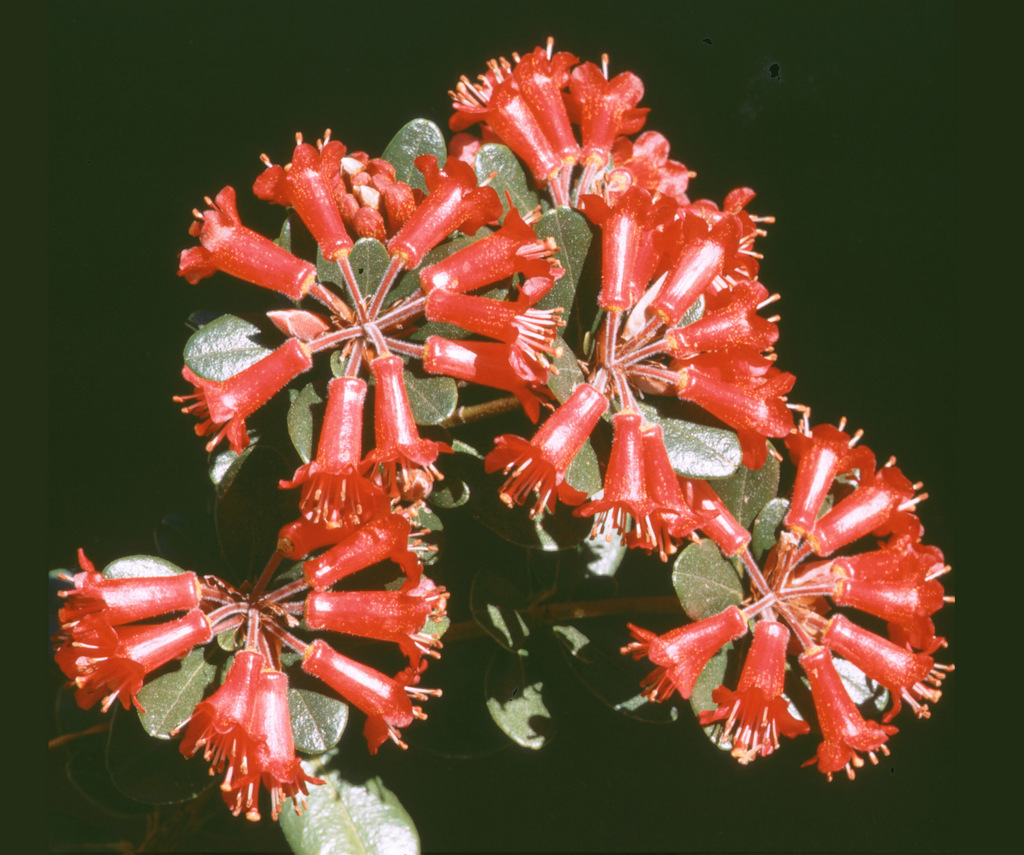
Rhododendron retusum is a species of tropical rhododendron belonging to the Vireya section of the Rhododendron genus. Unlike the cold-hardy rhododendrons found in Europe, North America, and parts of Asia, Vireya rhododendrons have evolved to flourish in warm, humid climates, particularly within the montane rainforests of Southeast Asia. This species is valued for its graceful growth habit, evergreen foliage, and attractive tubular flowers that contribute to the extraordinary diversity of tropical rhododendrons.
As a member of the Ericaceae (Heath) family, Rhododendron retusum shares many characteristics with other rhododendrons, including its preference for acidic, well-drained growing media and consistently moist conditions. Many Vireya species, including Rhododendron retusum, naturally grow as epiphytes on trees or as lithophytes among rocky outcrops, allowing them to thrive in environments with excellent airflow and abundant rainfall without becoming waterlogged.
The species is admired by botanical gardens, specialist collectors, and rhododendron enthusiasts because of its ornamental appeal and ecological adaptations. Its flowers provide valuable nectar for native pollinators, while its evergreen foliage contributes to the rich biodiversity of tropical forest ecosystems. These adaptations make Rhododendron retusum an excellent example of how members of the Rhododendron genus have diversified to occupy habitats far beyond the cool mountain regions typically associated with rhododendrons.
Although it remains relatively uncommon in mainstream horticulture, Rhododendron retusum has gained recognition among specialist growers who appreciate tropical species for their exotic appearance and year-round interest. With the right growing conditions, it rewards careful cultivation with healthy foliage and beautiful floral displays, making it a prized addition to tropical collections and an intriguing subject for those exploring the remarkable world of Vireya rhododendrons.
Taxonomic Classification Of Rhododendron Retusum
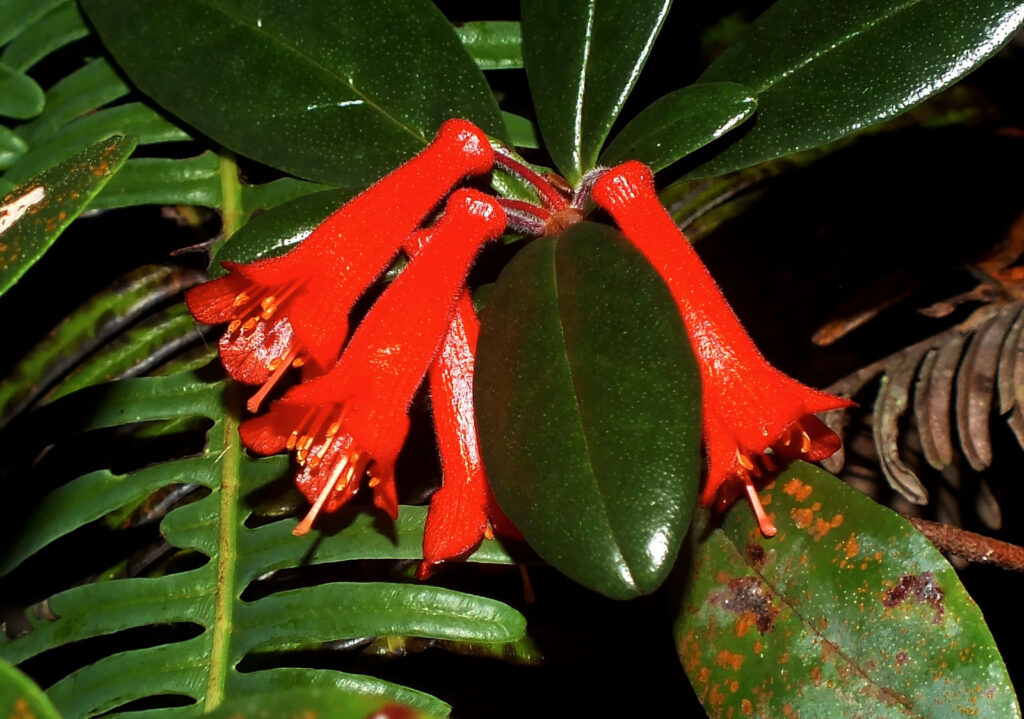
The taxonomic classification of Rhododendron retusum places it firmly within the diverse Vireya group of tropical rhododendrons, a collection of species renowned for their adaptation to warm, humid environments rather than the cool climates traditionally associated with rhododendrons. Its position within the Discovireya subsection highlights a close relationship with species that share similar floral structures, growth habits, and ecological preferences across Southeast Asia’s montane forests.
As scientific understanding of the Rhododendron genus has advanced through botanical research and molecular studies, the classification of Vireya rhododendrons has become increasingly refined. These taxonomic relationships help botanists trace the evolutionary history of tropical rhododendrons, revealing how they diversified into hundreds of species occupying distinct ecological niches across islands and mountainous regions.
Understanding the taxonomy of Rhododendron retusum also provides valuable insight for horticulturists, conservationists, and collectors. Closely related species often exhibit comparable cultivation requirements, including acidic growing media, high humidity, excellent drainage, and moderate temperatures. This allows growers to better understand the plant’s needs by examining the characteristics shared throughout its taxonomic group.
From a conservation perspective, accurate classification plays a vital role in documenting biodiversity and protecting vulnerable species. Many tropical rhododendrons occupy highly specialised habitats that face increasing pressure from deforestation, land-use change, and climate change. Proper taxonomic identification enables researchers to monitor wild populations, assess conservation priorities, and preserve the remarkable diversity represented by species such as Rhododendron retusum for future generations.
Botanical Identification, Growth Form, And Distinguishing Features
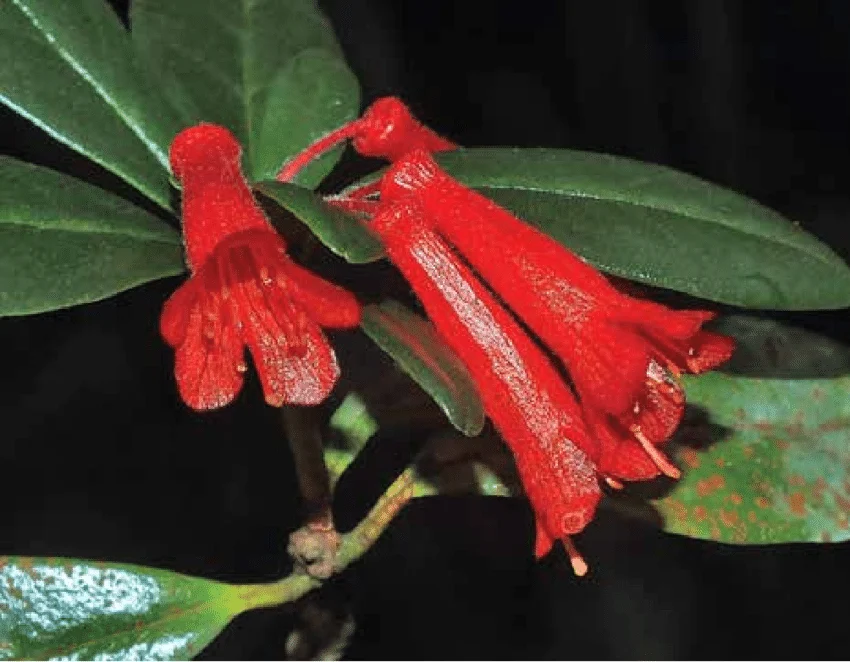
Rhododendron retusum displays many of the elegant characteristics associated with tropical Vireya rhododendrons while possessing several features that distinguish it from closely related species. Its evergreen foliage, refined branching pattern, and attractive floral display make it a desirable specimen for botanical collections and specialist gardens. Understanding its identifying characteristics is essential for accurate classification, successful cultivation, and distinguishing it from other tropical rhododendrons.
Overall Growth Form
Rhododendron retusum typically develops as a compact to moderately sized evergreen shrub with a naturally rounded or slightly upright habit. In its native environment, it may grow terrestrially or as an epiphyte on mature trees, allowing it to take advantage of filtered sunlight and excellent air circulation. Its branching structure is generally well-balanced, producing an attractive framework that supports healthy foliage and seasonal flowering.
Foliage Characteristics
The leaves of Rhododendron retusum are leathery, evergreen, and arranged alternately along the stems. They are typically smooth with a subtle sheen, helping the plant efficiently manage moisture in humid forest environments. Their shape, texture, and durability allow the shrub to remain ornamental throughout the year, even when not in bloom.
Stem And Branch Structure
Young stems are generally slender and flexible before gradually becoming woody with age. The branching pattern encourages a dense canopy while maintaining sufficient airflow between leaves, reducing the risk of fungal problems in humid climates. Mature branches provide strong support for both foliage and flowering clusters while contributing to the shrub’s naturally elegant appearance.
Key Distinguishing Features
One of the defining characteristics of Rhododendron retusum is the combination of its compact growth habit, evergreen foliage, and ornamental tubular flowers typical of many Vireya rhododendrons. Together with its adaptation to tropical montane forests and preference for acidic, well-drained growing conditions, these features help distinguish the species from temperate rhododendrons and reinforce its place among the fascinating diversity of tropical members of the Rhododendron genus.
Leaf Morphology, Branching Structure, And Seasonal Growth
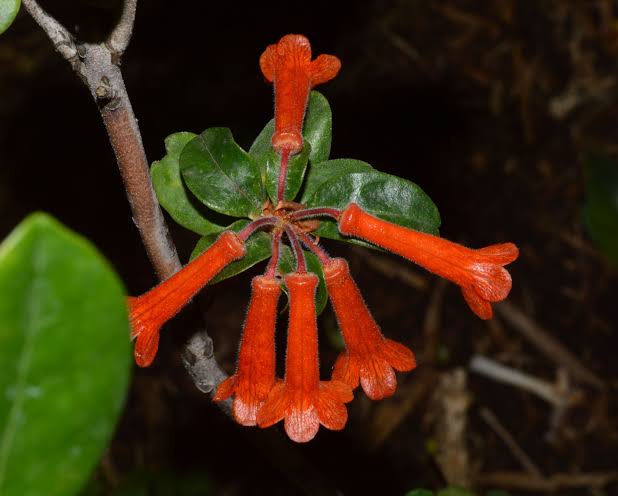
The foliage and branching architecture of Rhododendron retusum are well adapted to the warm, humid environments in which the species naturally occurs. Like many tropical Vireya rhododendrons, it produces evergreen leaves that maximise photosynthesis throughout the year while its branching pattern provides structural support and encourages healthy air circulation. These characteristics contribute to both the plant’s ornamental appeal and its long-term resilience.
Leaf Morphology
The leaves of Rhododendron retusum are typically leathery, smooth, and evergreen, providing year-round visual interest. Their firm texture helps reduce moisture loss while withstanding frequent rainfall and high humidity in tropical montane forests. The foliage is generally arranged alternately along the stems, creating a balanced canopy that efficiently captures filtered sunlight beneath the forest canopy.
Branching Structure
The species develops a naturally graceful branching framework, beginning with slender young shoots that gradually mature into woody stems. This branching habit allows light to penetrate throughout the plant while maintaining sufficient airflow around the foliage. The result is a healthy, well-balanced shrub capable of supporting successive flushes of leaves and flowers without becoming overly dense.
Seasonal Growth Patterns
Unlike many temperate rhododendrons that experience pronounced seasonal dormancy, Rhododendron retusum often remains actively growing for much of the year when conditions are favourable. New shoots commonly emerge during periods of warm temperatures and consistent moisture, while growth may slow during cooler or drier conditions. This extended growing season enables the plant to gradually build a dense framework of healthy foliage over time.
Adaptations To Tropical Environments
The combination of evergreen leaves, flexible branching, and continuous growth reflects the species’ adaptation to tropical mountain forests where temperatures remain relatively stable throughout the year. Rather than relying on a short growing season, Rhododendron retusum takes advantage of consistent humidity and regular rainfall to maintain healthy foliage and replace older leaves as part of its natural growth cycle. These adaptations contribute significantly to its success in both the wild and carefully managed horticultural collections.
Flower Characteristics, Blooming Season, And Pollination Ecology
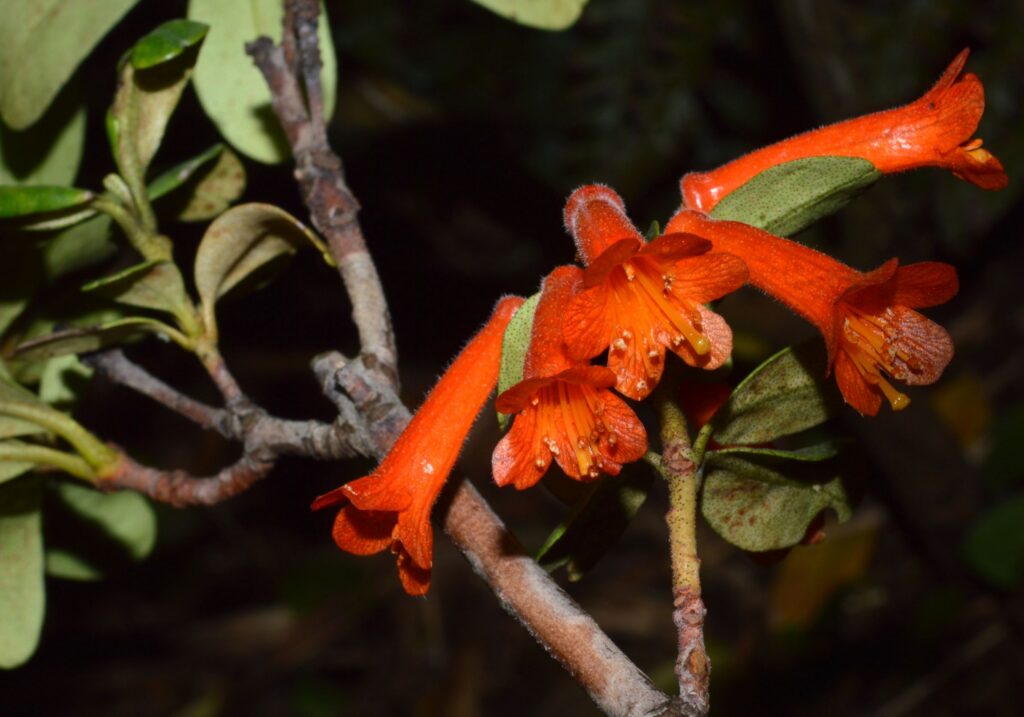
The flowers of Rhododendron retusum are among its most attractive features, contributing significantly to its value as an ornamental species and its ecological importance within tropical forests. Like many members of the Vireya group, this species produces elegant blooms that have evolved to attract specialised pollinators while ensuring successful reproduction in its native habitat. The timing, structure, and presentation of the flowers reflect millions of years of adaptation to tropical mountain ecosystems.
Flower Structure And Appearance
Rhododendron retusum produces attractive tubular to funnel-shaped flowers that are characteristic of many tropical rhododendrons. The blooms are typically borne in terminal clusters, creating a striking display above the evergreen foliage. Their delicate form, vibrant colouring, and prominent reproductive structures make them highly visible to pollinating animals while enhancing the plant’s ornamental appeal in cultivation.
Blooming Season
Unlike many temperate rhododendrons that flower during a relatively short spring period, Rhododendron retusum may bloom at various times throughout the year depending on local climate and growing conditions. In its native tropical environment, flowering is often influenced by rainfall patterns, humidity, temperature, and the production of new vegetative growth. Under favourable cultivated conditions, healthy plants may reward growers with recurring floral displays rather than a single annual flowering season.
Pollination Ecology
The flowers of Rhododendron retusum are adapted to attract a variety of nectar-feeding pollinators. Birds, bees, butterflies, and other insects may all play a role in transferring pollen between flowers, depending on the region in which the species naturally occurs. Their tubular floral shape, nectar production, and bright colours encourage repeated visits, increasing the likelihood of successful cross-pollination and healthy seed development.
Importance For Biodiversity
Beyond their ornamental beauty, the flowers of Rhododendron retusum contribute to the health of tropical forest ecosystems by providing an important food source for pollinating wildlife. These ecological relationships support both plant reproduction and broader biodiversity, illustrating the interconnected nature of tropical habitats. Protecting species such as Rhododendron retusum therefore helps preserve not only the plant itself but also the many organisms that depend upon its seasonal flowering cycle.
Natural Distribution, Native Habitat, And Ecological Role
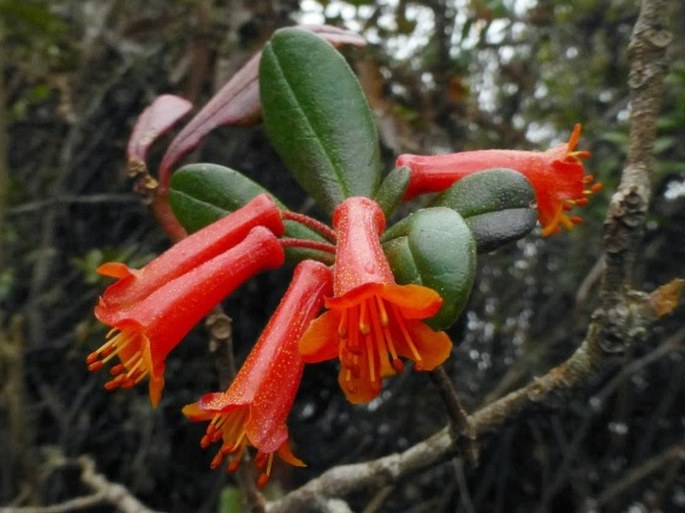
Rhododendron retusum is native to the tropical montane regions of Southeast Asia, where it grows in humid forests characterised by abundant rainfall, mild temperatures, and excellent air circulation. Like many Vireya rhododendrons, it has adapted to specialised ecological niches that provide the combination of moisture, filtered light, and well-drained conditions necessary for healthy growth. These habitats support an extraordinary diversity of plant and animal life, making the conservation of tropical rhododendrons particularly important.
Native Geographic Distribution
The natural range of Rhododendron retusum lies within Southeast Asia’s mountainous landscapes, where tropical forests create ideal growing conditions throughout much of the year. Its distribution reflects the broader pattern seen across many Vireya species, which have diversified across islands and highland regions over millions of years. These isolated habitats have contributed to the remarkable species richness found within the tropical rhododendron group.
Preferred Habitat
In the wild, Rhododendron retusum is most commonly found in cool, humid montane forests where cloud cover and regular rainfall help maintain consistently moist conditions. It may grow as a terrestrial shrub rooted in organic forest soils or as an epiphyte attached to mature trees, benefiting from excellent drainage and increased access to filtered sunlight. Thick layers of moss, leaf litter, and decomposing organic material provide the acidic environment that supports healthy root development.
Ecological Relationships
The species forms part of a complex forest ecosystem where it interacts with numerous other plants and animals. Its flowers provide nectar for a range of pollinating insects and birds, while its evergreen foliage contributes to the structural diversity of the forest understorey. As both a flowering shrub and, in some cases, an epiphytic plant, Rhododendron retusum helps create microhabitats that support smaller organisms and enrich overall biodiversity.
Conservation Importance
Like many tropical plant species, Rhododendron retusum faces increasing pressure from habitat loss, deforestation, and climate change. Because many Vireya rhododendrons occupy relatively specialised environments, changes to forest ecosystems can significantly affect their long-term survival. Conserving these habitats not only protects Rhododendron retusum but also preserves the intricate ecological networks that depend on healthy tropical mountain forests for their continued existence.
Cultivation Requirements, Growing Conditions, And Propagation
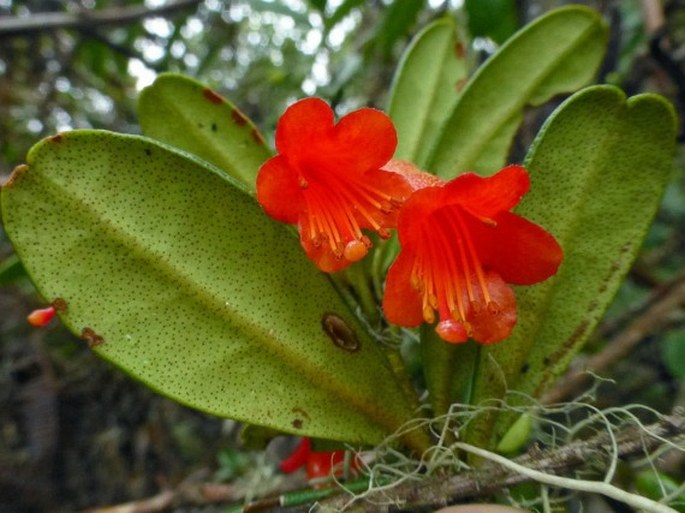
Growing Rhododendron retusum successfully requires recreating many of the conditions found within its native tropical montane habitat. Although it is generally considered a species for experienced rhododendron enthusiasts, careful attention to soil composition, humidity, watering practices, and light levels can reward growers with healthy evergreen growth and beautiful floral displays. Providing a stable environment is the key to long-term success.
Ideal Growing Conditions
Rhododendron retusum thrives in bright, filtered light that mimics the dappled canopy of tropical forests. Direct afternoon sun can scorch the foliage, while deep shade may reduce flowering and slow growth. Moderate temperatures, consistently high humidity, and good air circulation help replicate the cool mountain conditions where the species naturally occurs. Protecting the plant from extreme heat, frost, and drying winds is essential for maintaining vigorous growth.
Soil And Water Requirements
Like most rhododendrons, Rhododendron retusum prefers acidic, well-drained growing media that is rich in organic matter. A coarse mix containing materials such as pine bark, sphagnum moss, perlite, and other free-draining components helps prevent waterlogging while retaining adequate moisture around the roots. The soil should remain evenly moist but never saturated, as prolonged wet conditions can quickly lead to root rot.
Feeding And Routine Care
Regular feeding with a fertiliser formulated for acid-loving plants supports healthy foliage, root development, and flowering. Light applications during the active growing season are generally preferable to heavy feeding. Removing spent flowers, monitoring for pests, and maintaining consistent moisture levels all contribute to the plant’s long-term health. Repotting should only be carried out when necessary, taking care not to disturb the delicate root system more than required.
Propagation Techniques
Rhododendron retusum can be propagated through seed, semi-hardwood cuttings, or specialised horticultural methods such as tissue culture. Seed propagation preserves genetic diversity but requires patience, as seedlings develop slowly and may take several years to reach flowering size. Semi-hardwood cuttings are commonly used to produce plants that remain true to the parent specimen, although successful rooting often requires high humidity, bottom heat, and rooting hormones. With careful cultivation and patience, growers can establish healthy new plants while helping preserve this fascinating tropical rhododendron species.
Rhododendron Retusum Species Variations
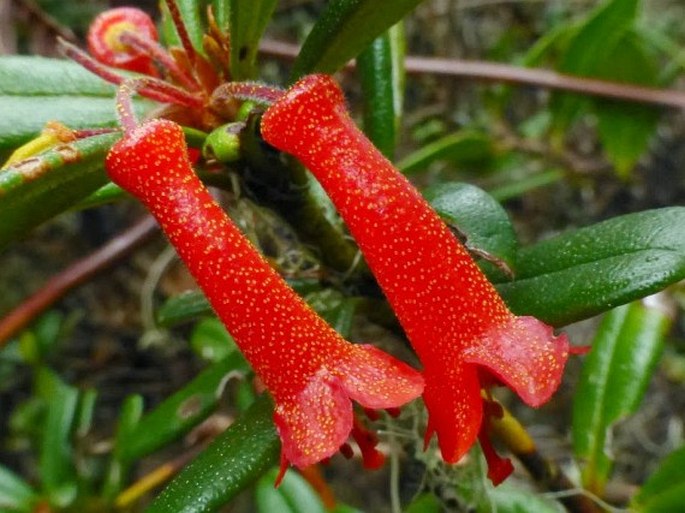
Although Rhododendron retusum is recognised as a distinct species, individual plants may display subtle natural variations depending on their geographic origin, habitat, and local environmental conditions. These differences are common throughout the Rhododendron genus and reflect the species’ ability to adapt to varying elevations, rainfall patterns, light levels, and growing environments without resulting in separate botanical classifications.
Natural Variation In Growth Habit
Plants growing in different habitats may vary in overall size, branching density, and growth form. Specimens found in exposed mountain locations often develop a more compact habit to withstand harsher conditions, while those growing within sheltered forests may become taller and more open as they compete for filtered sunlight.
Differences In Foliage
Leaf size, shape, thickness, and colour can vary naturally between populations of Rhododendron retusum. Environmental factors such as humidity, altitude, and light intensity may influence these characteristics, allowing the species to optimise water retention and photosynthesis within its native habitat.
Flower Colour And Form
Some natural variation may also occur in flower size, colour intensity, and blooming abundance. While the overall floral structure remains consistent with the species, individual plants can display slight differences that make each specimen unique. These subtle variations are often appreciated by specialist collectors and botanical gardens.
No Recognised Botanical Varieties
At present, Rhododendron retusum is generally recognised as a single species without formally accepted botanical varieties or subspecies. Any differences observed between individual plants are considered natural expressions of genetic diversity and environmental adaptation rather than evidence of separate taxonomic forms. Continued botanical research may provide further insight into population differences, but the species is currently treated as a single, well-defined member of the Vireya rhododendrons.
Rhododendron Retusum In Horticulture, Conservation, And Bonsai Cultivation
Rhododendron retusum is a remarkable representative of the tropical Vireya rhododendrons, combining elegant evergreen foliage, attractive flowers, and specialised ecological adaptations that have enabled it to thrive in Southeast Asia’s montane forests. While it remains less common in mainstream horticulture than many temperate rhododendron species, its beauty and botanical significance continue to attract collectors, specialist growers, and botanical institutions around the world.
In horticulture, Rhododendron retusum is valued as an ornamental specimen for tropical and subtropical gardens, conservatories, and carefully managed container collections. Growers who can provide acidic growing media, high humidity, filtered light, and excellent drainage are often rewarded with a healthy plant that offers year-round foliage and impressive seasonal blooms. Its specialised requirements make it best suited to enthusiasts who enjoy cultivating unusual and rewarding species.
The conservation of Rhododendron retusum is equally important. Like many tropical forest plants, it faces ongoing threats from habitat destruction, climate change, and the loss of biodiversity throughout its native range. Protecting montane forest ecosystems, supporting responsible cultivation, and maintaining genetically diverse collections all contribute to safeguarding the future of this fascinating species for generations to come.
Although Rhododendron retusum is not traditionally regarded as a classic bonsai species, experienced growers may experiment with its compact growth habit and attractive evergreen foliage under carefully controlled conditions. Success requires patience, minimal root disturbance, and close attention to humidity and soil moisture, making it better suited to advanced enthusiasts than beginners. Whether admired as a botanical specimen, cultivated in a specialised collection, or explored as an unconventional bonsai subject, Rhododendron retusum remains an excellent example of the extraordinary diversity and beauty found within the world’s tropical rhododendrons.