
Junipers are among the most popular trees used in bonsai, admired for their rugged beauty, twisting trunks, and evergreen foliage that can be shaped into dramatic designs. Found across many parts of the world, the Juniperus genus includes dozens of species that adapt well to container cultivation. Because of their resilience and natural character, they are often recommended for beginners while still offering enough complexity to challenge experienced bonsai artists.
This juniper bonsai care guide covers the general principles that apply to the entire genus. While each species may have slightly different needs depending on its native climate and growth habits, most junipers share similar requirements when it comes to light, watering, pruning, and seasonal care. Understanding these shared traits makes it easier to maintain healthy trees and develop beautiful bonsai over time.
However, this article focuses on the core concepts of juniper bonsai care rather than detailed species instructions. Many growers work with specific varieties such as Chinese juniper, temple juniper, or Himalayan juniper, and each one benefits from more precise guidance.
To help with that, we also provide dedicated species guides that explore the finer details of juniper bonsai care for individual trees. Throughout this article, you will find references to those resources so you can dive deeper into the exact techniques and conditions needed for your specific juniper.
Table of Contents
Juniper Bonsai Care
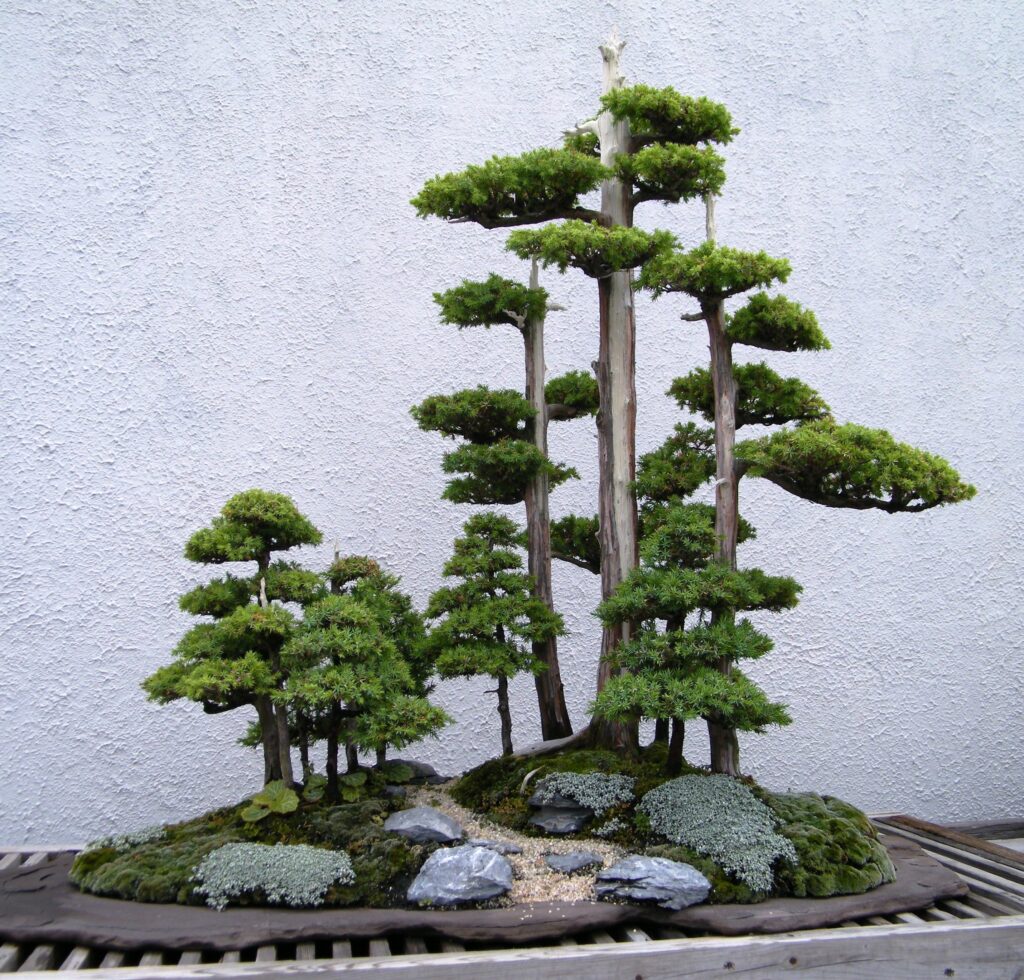
When growing junipers as bonsai, most species follow very similar care principles. These hardy conifers evolved in diverse environments ranging from mountain slopes to coastal dunes, which makes them adaptable and resilient. Understanding the core principles of juniper bonsai care helps growers maintain healthy trees while developing strong structure, dense foliage pads, and elegant movement in the trunk and branches.
The sections below cover the essential aspects of juniper bonsai care that apply to most species within the genus. While these guidelines provide a solid foundation, each topic also has its own detailed guide for those who want to explore the techniques in more depth.
Light
Junipers thrive in bright outdoor environments and require plenty of direct sunlight to stay healthy. In most climates, they should receive at least four to six hours of sunlight per day. Strong light encourages dense foliage growth, vibrant colour, and compact branching, which are all desirable traits in bonsai.
Growing junipers indoors is rarely successful because the light levels are usually too low. Without sufficient sunlight, the tree may become weak, develop sparse foliage, or lose its characteristic compact growth. Outdoor placement is therefore one of the most important factors in proper juniper bonsai care.
Check our Juniper bonsai light guide.
Watering
Watering is one of the most important parts of juniper bonsai care, as these trees prefer soil that remains slightly moist but never waterlogged. The top layer of soil should begin to dry slightly before watering again, ensuring the roots receive both moisture and oxygen.
Overwatering can cause root problems, while letting the soil dry completely may stress the tree. Observing the soil and adjusting watering frequency based on weather conditions is the best way to keep a juniper healthy throughout the year.
Check our Juniper bonsai watering guide.
Pruning
Pruning helps maintain the shape and structure of a juniper bonsai while encouraging new growth. Regular trimming keeps the tree compact and prevents branches from becoming overly long or untidy.
Unlike some other bonsai species, junipers should not be pruned by cutting into old woody areas that lack foliage. Instead, trimming is usually done by shortening young shoots and maintaining the natural flow of the branches. Careful pruning is a key part of long-term juniper bonsai care.
Check our Juniper bonsai pruning guide.
Shaping
Shaping gives juniper bonsai their distinctive artistic character. Through careful branch selection and positioning, growers can guide the tree into traditional bonsai styles such as informal upright, cascade, or windswept forms.
Because junipers are flexible when young, shaping is often done gradually over time. Patience is important, as dramatic changes should be avoided to prevent stressing the tree.
Check our Juniper bonsai shaping guide.
Soil
Good soil is essential for healthy root development. Most growers use a well-draining bonsai soil mix that allows water to pass through easily while still retaining enough moisture for the tree’s needs.
Proper drainage helps prevent root rot and supports vigorous growth. A balanced soil mix is therefore one of the foundations of reliable juniper bonsai care.
Check our Juniper bonsai soil guide.
Repotting
Juniper bonsai need repotting every few years to refresh the soil and maintain a healthy root system. Younger trees may require repotting more frequently, while older, established bonsai can remain in the same pot for longer periods.
Repotting also provides an opportunity to trim the roots and adjust the tree’s position in the container. This process helps maintain the compact root structure that bonsai cultivation requires.
Check our Juniper bonsai repotting guide.
Wiring
Wiring is commonly used to guide branches into the desired shape. Aluminium or copper wire is wrapped around the branches and gently bent to create the intended design.
The wire must be monitored regularly, as leaving it on for too long can damage the bark. Careful application and removal of wire are important parts of proper juniper bonsai care.
Check our Juniper bonsai wiring guide.
Fertiliser
Junipers benefit from regular feeding during the growing season. A balanced bonsai fertiliser helps support steady growth, strong foliage, and overall tree health.
Feeding schedules may vary depending on climate and soil type, but most growers fertilise every few weeks during spring and summer. Consistent feeding helps maintain vigorous growth while supporting the tree’s long-term development.
Check our Juniper bonsai fertiliser guide.
Propagation
Many juniper species can be propagated through cuttings, allowing growers to create new bonsai trees from existing plants. Cuttings are usually taken from healthy branches and rooted in suitable soil under the right conditions.
Propagation is a rewarding way to expand a bonsai collection and experiment with different styling possibilities. It also allows growers to preserve desirable traits from particularly attractive trees.
Check our Juniper bonsai propagation guide.
Seasons
Seasonal changes influence how junipers grow and how they should be maintained. Growth typically accelerates in spring and early summer, while autumn and winter bring slower development.
Adjusting watering, pruning, and fertilising throughout the year ensures the tree receives the right care during each stage of its growth cycle. Understanding these seasonal rhythms is a key part of effective juniper bonsai care.
Check our Juniper bonsai seasons guide.
Pests
Like many garden plants, junipers can occasionally attract pests such as spider mites, scale insects, and aphids. Early detection is important, as infestations can weaken the tree if left untreated.
Regular inspection of foliage and branches helps identify problems quickly. Healthy trees that receive proper care are usually more resistant to pests.
Check our Juniper bonsai pests guide.
Diseases
Junipers are generally hardy trees, but they can still experience fungal diseases or root issues under poor growing conditions. Problems often arise when the tree receives too much moisture, poor airflow, or inadequate sunlight.
Maintaining healthy soil, proper watering habits, and good air circulation helps reduce the risk of disease. These preventative steps play an important role in long-term juniper bonsai care.
Check our Juniper bonsai diseases guide.
How to Identify a Juniper in General
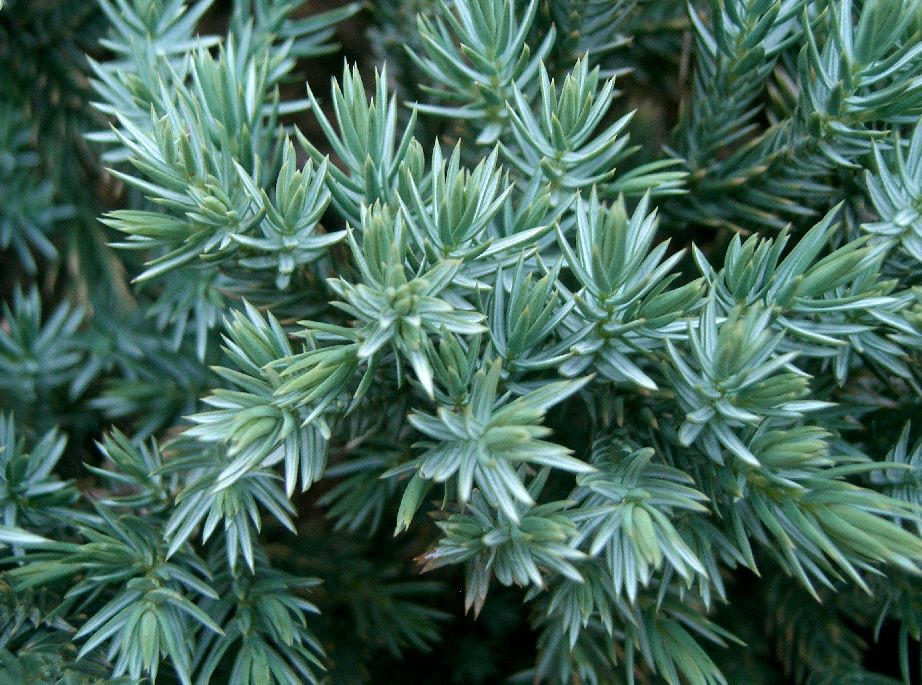
Junipers belong to the Juniperus genus, a group of evergreen conifers known for their needle-like or scale-like foliage, aromatic wood, and distinctive berries. Because many species share similar characteristics, identifying a juniper often involves examining several features together, including leaves, bark, fruit, and seasonal growth patterns. Learning these traits can help bonsai growers confirm the type of tree they are working with and apply the most appropriate juniper bonsai care practices.
While the following sections explain the most common identification traits found across the genus, many species have unique details that require closer examination. If you want to study these features more deeply, we provide dedicated identification guides that explore each characteristic in detail.
Leaf Identification
Juniper leaves are usually needle-like when the tree is young and may later develop into scale-like foliage as the tree matures. The needles are typically sharp and arranged in whorls of three, while scale foliage appears softer and overlaps closely along the stems.
Some species maintain needle foliage throughout their lives, while others transition to scales with age. Observing leaf shape, colour, and growth pattern is one of the most reliable ways to begin identifying a juniper species.
Flower Gallery
Junipers produce very small and often overlooked flowers. These flowers are usually either male or female, meaning a tree will typically produce only one type. Male flowers release pollen, while female flowers eventually develop into the well-known juniper berries.
Because the flowers are tiny and short-lived, many people never notice them. However, examining them closely can provide useful clues when studying the characteristics of different juniper species.
Check our Juniper flower gallery guide.
Fruit Identification
Juniper fruits are often called berries, although they are technically seed cones. These berry-like structures usually appear round and may range in colour from green to deep blue or purple as they mature.
The berries can take more than a year to fully develop, and their size, colour, and surface texture vary between species. These features can help bonsai growers recognise different types of junipers.
Seeds & Pods
Inside each berry are small seeds that enable junipers to reproduce in nature. The number of seeds inside the fruit may vary depending on the species, but most berries contain several hard seeds surrounded by fleshy tissue.
Although seed propagation is possible, it is often slow and unpredictable. Many bonsai growers therefore prefer using cuttings when expanding their collection.
Bark Textures
Juniper bark develops distinctive textures as the tree ages. Young trees often have relatively smooth bark, while older trees display fibrous, peeling layers that create striking visual patterns.
These textures can vary between species and are one of the elements that make mature juniper bonsai particularly attractive. The bark also contributes to the aged appearance that many bonsai artists aim to achieve.
Seasonal Changes
Even though junipers are evergreen, they still respond to seasonal changes throughout the year. Foliage colour may shift slightly, growth patterns slow during colder months, and berries may mature during specific seasons.
Observing how a juniper behaves during different times of the year can help growers better understand its natural cycle. This knowledge is helpful when applying proper juniper bonsai care techniques.
Top Juniper Bonsai Species
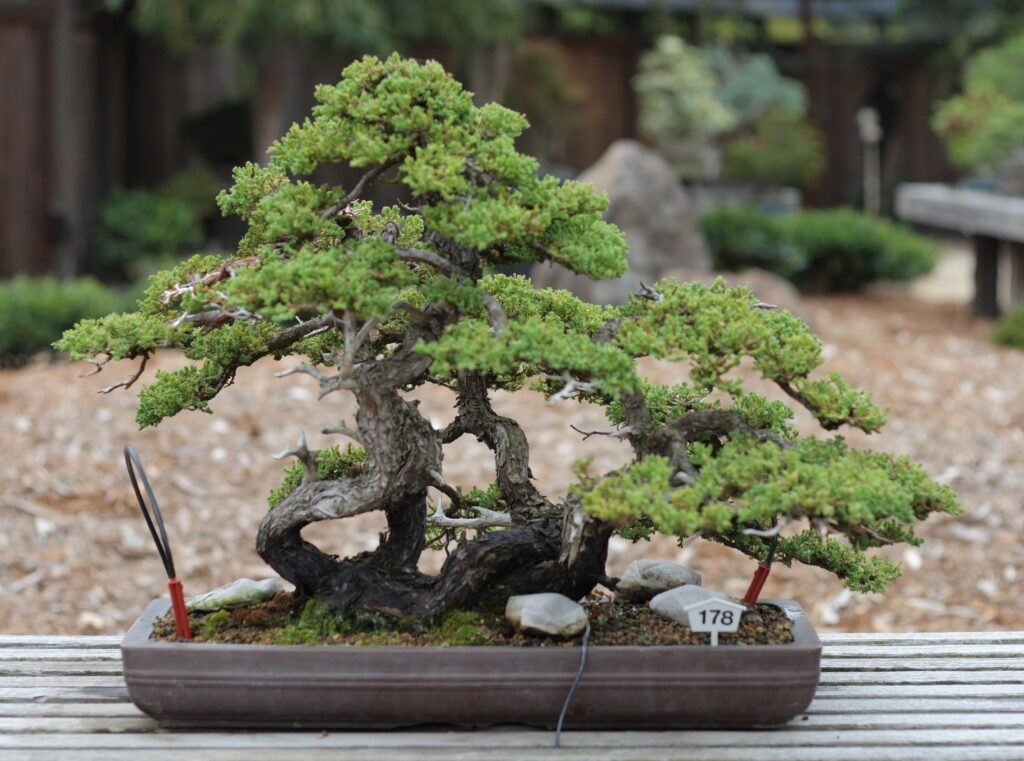
The Juniperus genus contains more than 60 species spread across the Northern Hemisphere, many of which are suitable for bonsai cultivation. Some species are naturally compact and ideal for small bonsai containers, while others develop dramatic trunks and rugged bark that make them excellent candidates for larger, more mature bonsai designs. Understanding the differences between these species can help growers select a tree that suits their climate, styling preferences, and experience level with juniper bonsai care.
Below are some of the most well-known juniper species used in bonsai cultivation. Each one has its own characteristics, growth habits, and styling potential. While the summaries below introduce these trees, we also provide dedicated species care sheets that explore the finer details of juniper bonsai care for each variety.
Common Juniper
Common juniper (Juniperus communis) is one of the most widespread conifer species in the world, found across Europe, Asia, and North America. It typically features sharp needle-like foliage and produces the well-known blue berries used in culinary and medicinal traditions.
In bonsai, this species is appreciated for its rugged appearance and ability to develop striking deadwood features. Its natural resilience also makes it a reliable choice for growers learning the fundamentals of juniper bonsai care.
Check our Common Juniper bonsai care sheet.
Temple Juniper
Temple juniper (Juniperus rigida) is often associated with traditional bonsai gardens in East Asia. These trees are known for their twisting trunks, layered foliage pads, and the ability to develop dramatic shapes over time.
Because of its flexibility and strong response to pruning and wiring, temple juniper is highly valued by bonsai artists. Many classic bonsai designs are created using this species.
Check our Temple Juniper bonsai care sheet.
Shore Juniper
Shore juniper (Juniperus conferta) is a low-growing coastal species that naturally spreads along sandy shorelines. Its dense foliage and creeping growth habit make it ideal for cascading and semi-cascade bonsai styles.
This species also adapts well to containers and develops attractive foliage pads when trained properly. Its tolerance for wind and sun makes it a hardy option for outdoor bonsai cultivation.
Check our Shore Juniper bonsai care sheet.
Large-Berry Juniper
Large-berry juniper (Juniperus macrocarpa) is recognised for its larger-than-average berries and thick foliage growth. Native to Mediterranean coastal regions, it often develops rugged trunks shaped by wind and sand.
These natural characteristics translate beautifully into bonsai designs that emphasise age and resilience. With proper juniper bonsai care, this species can produce dramatic and character-filled trees.
Check our Large-Berry Juniper bonsai care sheet.
Canary Islands Juniper
The Canary Islands juniper (Juniperus cedrus) grows naturally on volcanic islands where strong winds and harsh terrain shape its distinctive forms. Mature trees often develop twisted trunks and dense foliage that make them visually striking.
In bonsai cultivation, this species offers unique styling possibilities due to its natural movement and textured bark. With patience, it can become an impressive centrepiece in a bonsai collection.
Check our Canary Islands Juniper bonsai care sheet.
Syrian Juniper
Syrian juniper (Juniperus drupacea) is native to mountainous regions of the Middle East and Mediterranean. It is known for its upright growth and distinctive berry-like cones that are larger than those of many other junipers.
When grown as bonsai, Syrian juniper can develop strong trunk structure and layered branching patterns. Its hardy nature allows it to adapt well to outdoor environments with the right juniper bonsai care practices.
Check our Syrian Juniper bonsai care sheet.
Garden Juniper
Garden juniper (Juniperus procumbens varieties and related forms) is commonly used in landscaping and bonsai alike. Its compact foliage and spreading growth make it particularly suitable for beginner bonsai enthusiasts.
This species responds well to pruning and wiring, allowing growers to shape it into a variety of bonsai styles. Its forgiving nature also makes it a good introduction to the techniques involved in juniper bonsai care.
Check our Garden Juniper bonsai care sheet.
Chinese Juniper
Chinese juniper (Juniperus chinensis) is one of the most widely used species in traditional bonsai. It is famous for its ability to produce intricate branching patterns and dense foliage pads.
Many classic bonsai specimens found in exhibitions and gardens around the world belong to this species. With consistent training and proper juniper bonsai care, Chinese junipers can develop extraordinary shapes over time.
Check our Chinese Juniper bonsai care sheet.
Himalayan Juniper
Himalayan juniper (Juniperus squamata) grows in high-altitude regions where cold temperatures and strong winds shape its growth patterns. These conditions often produce naturally twisted trunks and compact foliage.
In bonsai cultivation, Himalayan juniper offers dramatic styling potential and strong visual character. Its natural hardiness makes it well-suited to outdoor growing conditions.
Check our Himalayan Juniper bonsai care sheet.
Virginian Juniper
Virginian juniper (Juniperus virginiana), often called eastern red cedar, is native to North America and widely used in landscaping. It develops dense foliage and reddish bark that becomes increasingly textured with age.
As a bonsai tree, this species can produce striking trunk movement and attractive bark patterns. With careful training and consistent juniper bonsai care, it can become a beautiful and long-lived bonsai specimen.
Check our Virginian Juniper bonsai care sheet.
Common Juniper Bonsai Companions
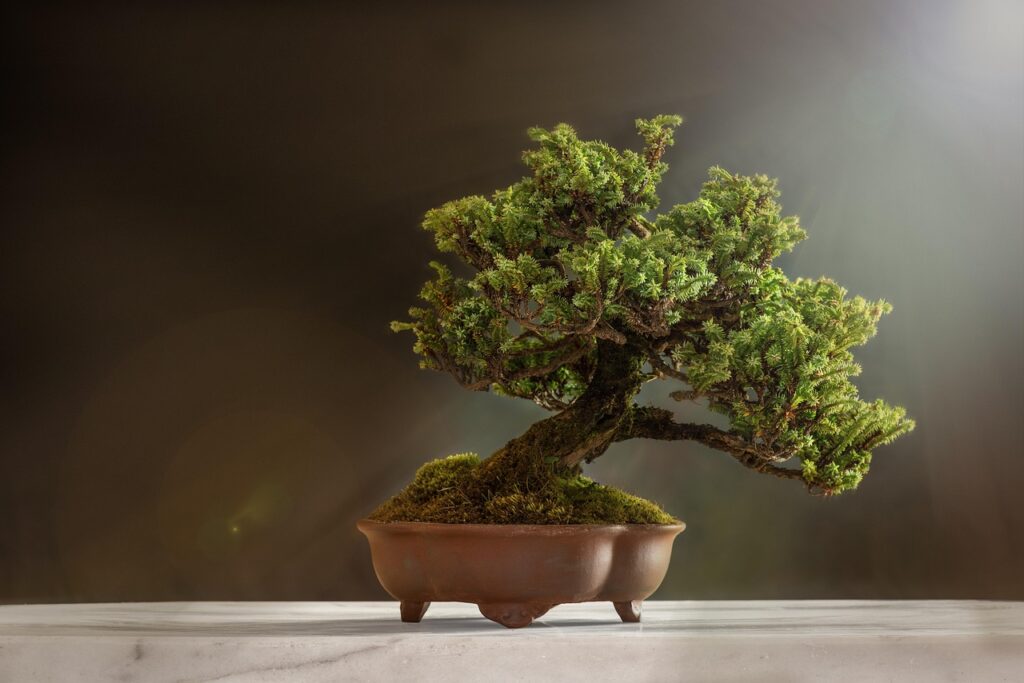
While junipers are often displayed as standalone bonsai trees, many growers enjoy creating miniature ecosystems around them. Companion plants and natural elements can enhance the visual presentation of a bonsai while also supporting soil health and biodiversity. When selected carefully, these companions complement the aesthetics of the tree and help maintain a balanced environment that supports proper juniper bonsai care.
Because bonsai containers are small, companion plants must be chosen with care so they do not compete too aggressively for water or nutrients. The following companions are commonly used by growers to enhance the appearance and ecological balance of juniper bonsai displays.
Moss
Moss is one of the most popular companions used in bonsai cultivation. It forms a soft green carpet across the soil surface, helping retain moisture while also giving the bonsai a natural, forest-like appearance.
Besides improving aesthetics, moss can also help reduce soil erosion during watering and maintain humidity around the root zone. When used correctly, it complements the visual style of many juniper bonsai compositions.
Check our bonsai moss companion guides.
Flowers
Small flowering plants can add colour and seasonal variation around a juniper bonsai. Low-growing species are usually preferred so they do not overshadow the tree or disrupt the composition.
These flowers can create the impression of a miniature landscape while also attracting beneficial pollinators to the garden. Many bonsai enthusiasts use flowering companions to highlight the natural beauty of their displays.
Check our bonsai flowers companion guides.
Herbs
Certain herbs can also work well as bonsai companions when planted carefully around the base of the tree or in nearby accent pots. Compact herbs may provide texture, fragrance, and additional greenery to the display.
Because herbs are generally hardy and adaptable, they can thrive in outdoor environments similar to those required for proper juniper bonsai care. However, growers should always ensure that herbs do not overwhelm the bonsai roots or soil space.
Check our bonsai herbs companion guides.
Wildlife
Juniper bonsai gardens can also attract beneficial wildlife such as bees, butterflies, and praying mantises. These creatures help support a healthy garden ecosystem and often contribute to natural pest control.
Creating a garden that welcomes pollinators and beneficial insects can improve overall plant health while adding life and movement to the bonsai environment. Encouraging this natural balance complements long-term juniper bonsai care practices.
Check our bonsai wildlife companion guides.
Growing Healthy Juniper Bonsai
Junipers remain one of the most rewarding trees to cultivate as bonsai. Their hardy nature, evergreen foliage, and ability to develop dramatic trunks and deadwood make them favourites among both beginner and experienced growers. By understanding the core principles of juniper bonsai care, it becomes much easier to maintain healthy trees while gradually shaping them into beautiful living sculptures.
This guide introduced the key aspects of juniper bonsai care, from watering and pruning to identifying different juniper characteristics and exploring the species most commonly used in bonsai. While these general guidelines apply to the entire genus, each species can have its own unique traits that influence how it should be cultivated and styled.
For this reason, the best approach to juniper bonsai care is to combine these foundational techniques with more detailed species-specific knowledge. Be sure to explore the dedicated guides linked throughout this article to learn more about individual juniper species, advanced care techniques, and companion plants that can enhance your bonsai garden.